
Ebola Breaks Deadliest-Outbreak Record in DR Congo as Death Toll Hits 2,325
The Ebola outbreak in the Democratic Republic of Congo has killed 2,325 people, surpassing the toll from the 2018–2020 outbreak to become the country’s deadliest on record.
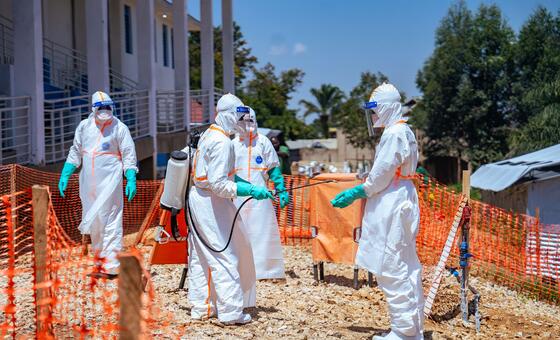
The Ebola outbreak sweeping the Democratic Republic of Congo (DRC) has crossed a grim milestone, with 2,325 people now dead, making the current epidemic the deadliest Ebola outbreak ever recorded in the country.
The latest government figures show that confirmed infections have reached 4,945, including 101 new cases reported in the 24 hours covered by the latest update. The death toll has now surpassed the 2,299 deaths recorded during the 2018–2020 Ebola outbreak, which had previously been the country's worst.
The speed at which the current outbreak has reached that level is raising particular concern among health officials. The outbreak was officially declared on May 15, but evidence suggests the virus had been circulating for months before it was detected, allowing transmission to become established in communities before the response fully gathered pace.
The outbreak is being driven by the Bundibugyo strain of Ebola, a less common strain for which there is currently no approved vaccine or treatment. That has complicated efforts to bring infections under control, particularly as health workers try to diagnose patients early enough for supportive care to make a difference.
The consequences of delayed detection are becoming visible in the numbers. Reuters reported that the case-fatality ratio has risen sharply, from about 20% in early June to roughly 46%, a development health experts associate more with delays in diagnosis and access to treatment than with evidence that the virus itself has suddenly become more lethal.
The outbreak has also proved difficult to contain geographically. By mid-August, infections had been detected across six provinces, with authorities reporting cases outside some of the areas where health teams had established their main containment operations. The spread has been particularly challenging in eastern DRC, where conflict, population movement and weak infrastructure can make contact tracing and access to healthcare considerably more difficult.
That combination is turning the epidemic into more than a medical emergency.
In communities affected by years of insecurity, people may be forced to move frequently, while damaged roads and limited health facilities can make it difficult for patients to reach treatment centres. Health workers have also faced operational problems, including funding and payment issues, at a time when the response requires a large and sustained workforce.
Community trust is another crucial part of the battle. Ebola control depends heavily on people reporting symptoms, accepting isolation and treatment, identifying contacts and cooperating with health teams. Where misinformation or distrust takes hold, the virus gains opportunities to move undetected.
The latest figures have prompted renewed warnings from international health officials. A senior United Nations humanitarian official described the outbreak as spreading at a pace that demands “speed, scale, and solidarity”, warning that the virus is moving faster than the response can comfortably contain.
There are, however, efforts to find a way forward.
Clinical trials are underway to evaluate potential vaccines and treatments for the Bundibugyo strain, although these remain experimental. Researchers are also working to understand how the virus is spreading and whether existing Ebola tools can be adapted quickly enough to help control the outbreak.
The crisis has already spilled beyond Congo's borders. Uganda has reported cases linked to the wider outbreak, although authorities there have so far kept the number of deaths low through rapid containment measures. The cross-border dimension is particularly important in a region where people routinely move between communities for trade, work and family reasons.
For the DRC, the current epidemic carries an especially painful historical significance. The country has experienced repeated Ebola outbreaks since the virus was first identified there in 1976, and its health authorities have accumulated considerable experience responding to the disease. Yet the latest outbreak shows how quickly those hard-won capabilities can be overwhelmed when delayed detection meets insecurity, weak infrastructure and limited resources.
The 2,325 deaths are therefore not simply a new record in an Ebola statistic. They are a warning about what happens when a highly dangerous virus gains time and space to spread.
The immediate priority is to find cases earlier, protect health workers, strengthen treatment capacity and rebuild trust in affected communities. If those efforts accelerate, the trajectory can still change.
But with nearly 5,000 confirmed infections already recorded, the DRC is facing a race between the speed of the virus and the speed of the response, and, so far, Ebola has been winning.
Health
WHO Appeals for Global Support as Congo’s Worst Ebola Outbreak Overwhelms Health System
10 Sept 2026
Health
DR Congo Ebola Outbreak Spreads Exponentially, UN Warns as Death Toll Tops 2,500.
21 Aug 2026
Health
Kenya Confirms First Ebola Case Linked to DR Congo as Patient Dies
6 Oct 2026
Health
Nigeria Confirms First Ebola Case Since 2014, Tracks 44 Contacts
20 Oct 2026
Health
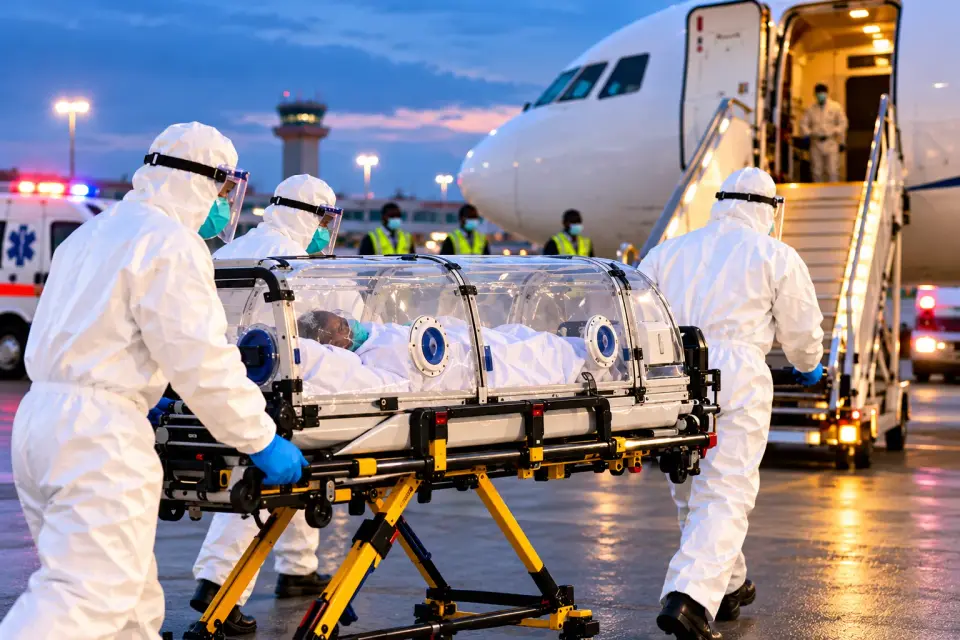
Ebola Patient Set for Evacuation From Nigeria for Treatment
26 Oct 2026
Partner with Follow Global Trends
Display banners, sponsored stories and founder spotlights.
You may also like

Health
Swiss Government Identifies Ebola Patient as Diplomat’s Wife in Abuja
25 Oct 2026

Health
Euracare Challenges Probe Into Death of Chimamanda Adichie’s Son
29 Sept 2026
Health
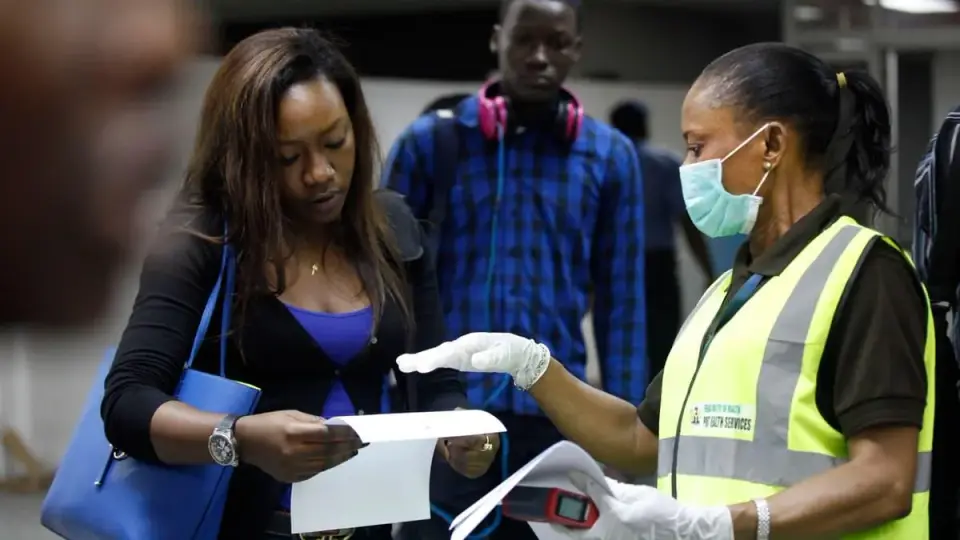
Nigeria Tightens Health Screening for Travellers From Ebola-Affected Countries
24 Sept 2026
Health
UAE Becomes First Country to Approve Oral Treatment for Non-Segmental Vitiligo.”
20 Aug 2026

Health
Vanessa Trump Says She’s Cancer-Free Six Months After Diagnosis
24 Oct 2026

Health
Mbah Commissions Anchorage Pharmaceutical Production Facility in Enugu
22 Oct 2026