The United States and Mexico have officially lost their measles-elimination status. Bolivia has also lost its designation following a review by regional health experts.
PAHO announced the decision on November 17, 2026. Its independent Regional Verification Commission reviewed evidence from countries across the Americas.
The commission found that the same measles virus lineage had circulated continuously for at least 12 months in all three countries. That meets the criteria for re-establishing endemic transmission.
The decision marks a major setback for public health authorities. It means measles has regained a sustained foothold in countries that previously controlled its spread.
The United States had maintained its elimination status since 2000. Mexico had also achieved elimination before the latest outbreak.
However, the designation is not permanent. Countries can regain it after successfully interrupting sustained local transmission.
Record measles cases put millions of people at risk
The latest figures show how widely the disease has spread.
According to UNICEF, Mexico recorded more than 13,900 confirmed cases in 2026. That is the country's highest annual total since the 1989–90 epidemic.
Children aged one to four have carried the highest burden in Mexico since the outbreak began.
The United States has recorded more than 5,400 confirmed cases this year. UNICEF says this is the country's highest annual total since the 1989–91 resurgence.
About 96 per cent of US cases involve unvaccinated people or people whose vaccination status is unknown.
Bolivia has reported more than 100 cases this year. Its outbreak began in 2025 and ended more than two decades without local transmission.
Across the Americas, PAHO reported 58,213 confirmed measles cases as of November 13. Its November 17 announcement compared this with 12,806 cases during the same period in 2025.
These figures show the scale of the resurgence. They also highlight the risks facing children and communities with low vaccination coverage.
Why losing measles-free status matters
Losing elimination status does not mean every part of a country has an outbreak.
It means health authorities have evidence of continuous local transmission for at least 12 months. Imported cases alone do not automatically cause a country to lose its designation.
Measles is among the world's most contagious infectious diseases. One infected person can transmit it to as many as 18 susceptible people, according to PAHO.
The disease can cause fever, cough, runny nose and a widespread rash. Serious complications include pneumonia and inflammation of the brain.
Young children face particular risks. People with weakened immune systems can also face severe illness.
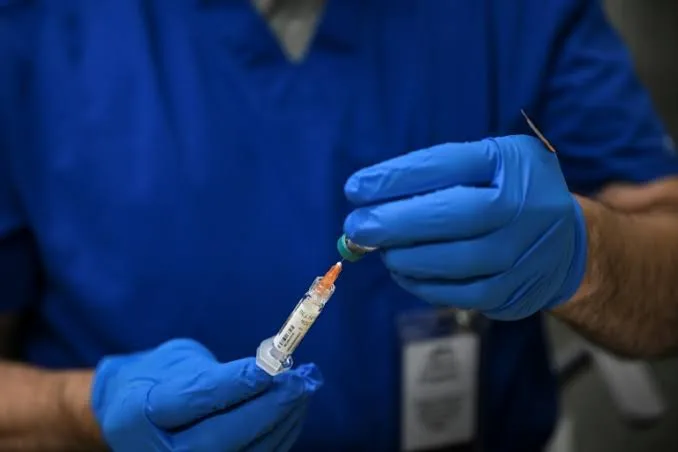
Vaccination remains the most effective way to prevent measles. Health experts generally recommend two doses of a measles-containing vaccine.
PAHO says strong community protection requires high and consistent vaccination coverage. Experts commonly cite a target of about 95 per cent to prevent outbreaks.
The resurgence has also raised concerns about gaps in routine immunisation. Misinformation, barriers to healthcare and vaccine hesitancy can leave communities vulnerable.
PAHO urges countries to restore protection against measles
PAHO Director Dr Jarbas Barbosa described the losses as a serious warning for the region.
He said the setback could be reversed through sustained vaccination, stronger disease surveillance and effective outbreak responses.
The organisation expects the United States, Mexico and Bolivia to strengthen their efforts. Each country must work to interrupt ongoing transmission and demonstrate that it has regained control.
Canada offers an important example of the challenge. It lost its national elimination status in 2025 after prolonged transmission.
That outbreak also caused the entire Americas region to lose its regional measles-elimination verification in November 2025. The region had regained that status in 2024 after earlier outbreaks in Brazil and Venezuela were brought under control.
UNICEF has also warned that children are increasingly exposed to measles in places where the disease was previously controlled.
The agency says vaccination gaps and misinformation are contributing to the resurgence. It has urged governments to protect children through stronger immunisation programmes.
For families, the immediate priority is checking vaccination records. Anyone uncertain about their vaccination history should contact a qualified healthcare professional or local health authority.
The latest decision does not mean the countries cannot regain their status. It does, however, show that decades of progress can be reversed when vaccination and disease-control efforts weaken.