
Nigeria Tightens Health Screening for Travellers From Ebola-Affected Countries
The Federal Government has tightened border health surveillance as West Africa responds to renewed Ebola concerns.
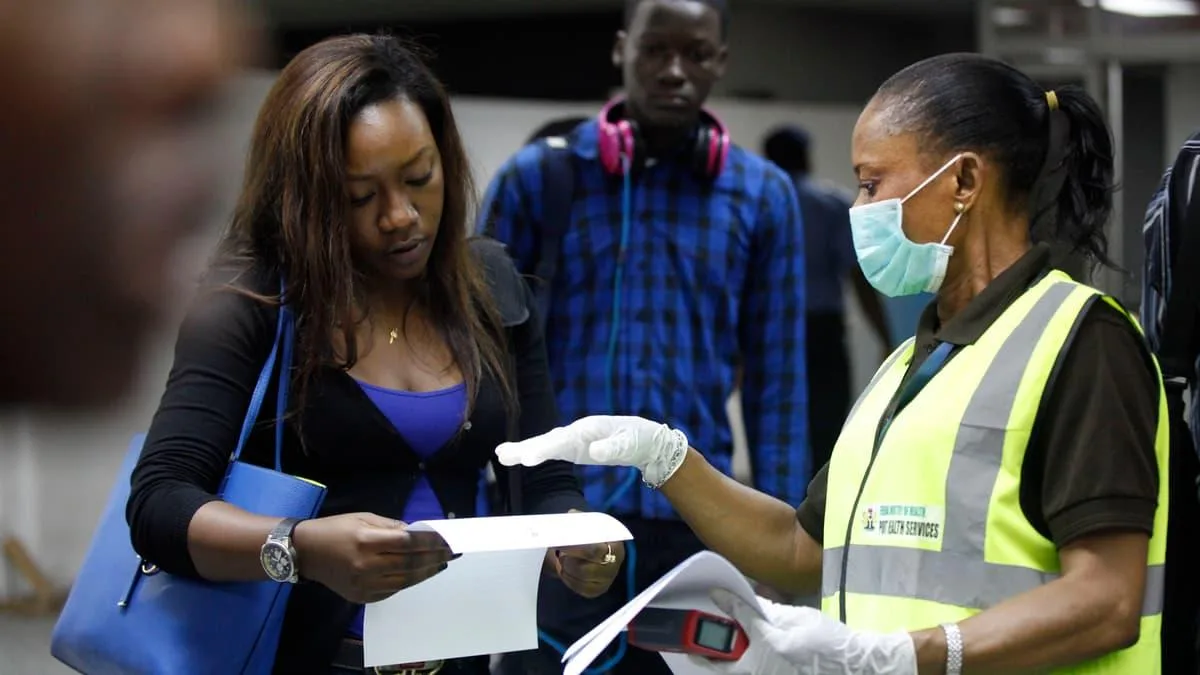
Nigeria has introduced mandatory health declaration forms for travellers arriving from countries affected by the recent Ebola outbreak, strengthening its border surveillance measures to reduce the risk of importing the deadly virus. The new protocol forms part of an enhanced public health response announced by the Federal Ministry of Health and Social Welfare in collaboration with port health authorities.
Under the directive, passengers arriving from designated Ebola-affected countries will be required to complete health declaration forms providing travel history, contact information and details of any symptoms or possible exposure. Health officials say the information will enable faster contact tracing and early detection should any suspected case emerge.
The government said the measures are precautionary and do not indicate that Nigeria has recorded an Ebola case. Instead, authorities are seeking to strengthen preparedness following renewed outbreaks elsewhere in the region, while maintaining heightened surveillance at international airports, seaports and land borders.
Officials have also urged travellers to report symptoms such as fever, severe weakness, vomiting, diarrhoea or unexplained bleeding immediately after arrival. Medical teams stationed at points of entry have been placed on alert, with isolation and response protocols ready for any suspected infections.
Nigeria’s latest response draws on lessons from its internationally praised handling of the 2014 Ebola outbreak, when swift contact tracing and coordinated public health action helped contain the virus after a single imported case threatened to spread through Africa’s most populous nation. That experience has since become a reference point for epidemic preparedness across the continent.
The Nigeria Centre for Disease Control and Prevention (NCDC) has advised the public that Ebola is transmitted through direct contact with the bodily fluids of an infected person or contaminated materials, not through casual contact or airborne transmission. Authorities have encouraged regular hand hygiene, prompt reporting of suspected symptoms and compliance with public health advisories. Los Angeles Times
Public health experts say health declaration forms have become an important tool in modern disease surveillance, allowing countries to identify high-risk travellers quickly while minimizing unnecessary disruption to international travel. The information collected can significantly improve response times if an outbreak crosses borders.
As regional health agencies continue monitoring the Ebola situation, Nigeria’s strengthened border controls underscore a familiar lesson: early detection remains one of the most effective defenses against the rapid spread of infectious diseases in an increasingly connected world.
Health
WHO Warns of Rising Non-Communicable Disease Deaths in Africa, Seeks Safer Healthcare
17 Sept 2026
Health
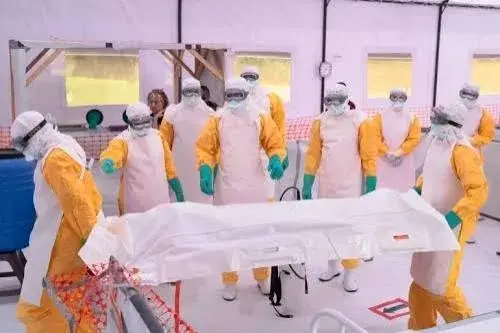
WHO Appeals for Global Support as Congo’s Worst Ebola Outbreak Overwhelms Health System
10 Sept 2026
Health
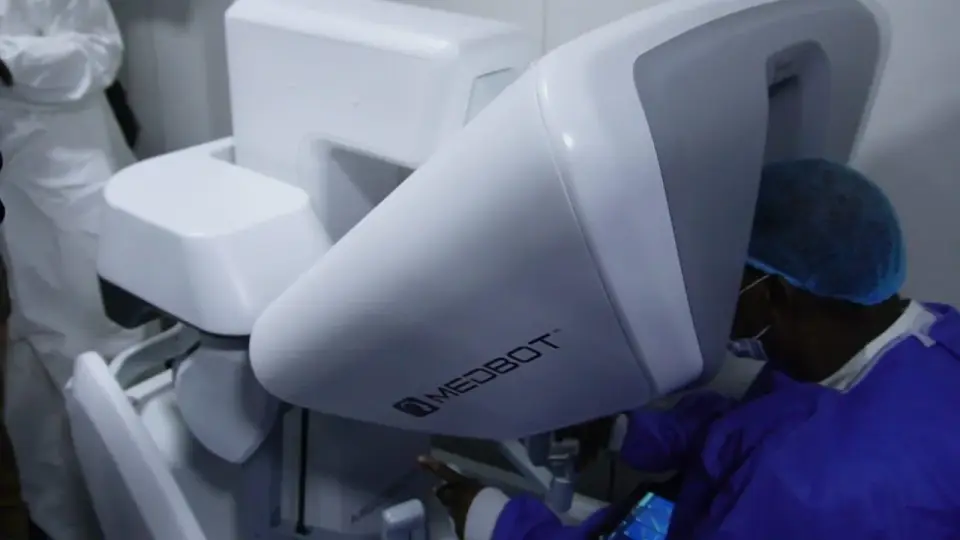
Nigeria Records First Tele-Robotic Surgery as Doctors Remove Cancerous Kidney Tumour
21 Sept 2026
Health
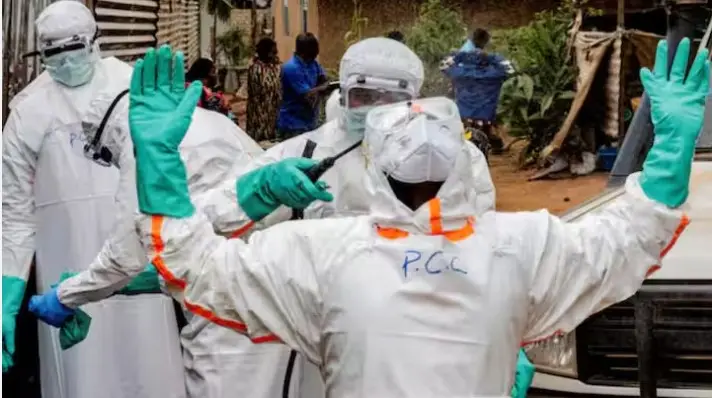
DR Congo Ebola Outbreak Spreads Exponentially, UN Warns as Death Toll Tops 2,500.
21 Aug 2026
Health
Kenya Confirms First Ebola Case Linked to DR Congo as Patient Dies
6 Oct 2026
Partner with Follow Global Trends
Display banners, sponsored stories and founder spotlights.
You may also like

Health
NAFDAC Blames Local Chinese Syndicates for Surge in Fake Goods Across Nigeria
9 Sept 2026

Health
Senegal Makes Africa’s First Locally Produced Sickle Cell Treatment
29 Aug 2026
Health
Ebola Breaks Deadliest-Outbreak Record in DR Congo as Death Toll Hits 2,325
17 Aug 2026

Health
Pope Leo XIV Officially Diagnosed With Lung Cancer After Surgery
14 Oct 2026

Health
Pope Leo XIV to Undergo Surgery to Remove Early-Stage Lung Nodule
11 Oct 2026

Health
Light Meets the Brain: Three Scientists Win 2026 Nobel Medicine Prize
5 Oct 2026