
WHO Warns of Rising Non-Communicable Disease Deaths in Africa, Seeks Safer Healthcare
The UN health agency says chronic diseases are becoming Africa’s leading health challenge as it urges stronger, safer health systems.
The World Health Organization (WHO) has raised fresh concerns over the growing burden of non-communicable diseases (NCDs) across Africa, warning that deaths linked to conditions such as heart disease, diabetes, cancer and chronic respiratory illnesses are increasing at an alarming pace. The agency says improving patient safety and the quality of healthcare is now essential to reversing the trend.
The warning comes as countries across the continent continue to battle a double burden of disease: infectious illnesses remain a major public health challenge, while chronic diseases are rapidly becoming a leading cause of premature death. According to WHO, NCDs are responsible for millions of deaths globally each year, with Africa experiencing one of the fastest-growing rates of increase.
WHO said many of these deaths are preventable through earlier diagnosis, consistent access to treatment and safer delivery of healthcare services. The organization argues that avoidable medical errors, unsafe clinical practices and gaps in quality care continue to undermine health outcomes, particularly for people living with long-term illnesses.
The agency’s appeal coincides with global efforts to strengthen patient safety under the theme of delivering safer care for every patient. Health experts say reducing medication errors, improving infection prevention, ensuring accurate diagnosis and investing in well-trained healthcare workers could significantly lower preventable harm in hospitals and clinics.
Across Africa, changing lifestyles, rapid urbanization, unhealthy diets, tobacco use, alcohol consumption and physical inactivity have contributed to the steady rise in chronic diseases. At the same time, many health systems were originally designed to respond primarily to infectious diseases, leaving limited capacity for long-term management of hypertension, diabetes and cancer.
WHO is encouraging governments to expand primary healthcare services, strengthen routine screening programmes and integrate NCD prevention into community health initiatives. It also wants countries to improve the safety culture within healthcare facilities by adopting evidence-based standards that protect both patients and health workers.
Public health specialists note that the economic impact of untreated NCDs extends beyond hospitals. Rising rates of chronic illness reduce workforce productivity, increase household healthcare costs and place additional pressure on already stretched national health budgets, making prevention as important as treatment.
While WHO’s latest warning is not tied to a single outbreak or emergency, it signals a broader shift in Africa’s health priorities. As life expectancy rises and populations become increasingly urban, the continent’s future health challenge will depend not only on fighting infectious diseases but also on building resilient systems capable of delivering safe, continuous and high-quality care for chronic conditions.
Health
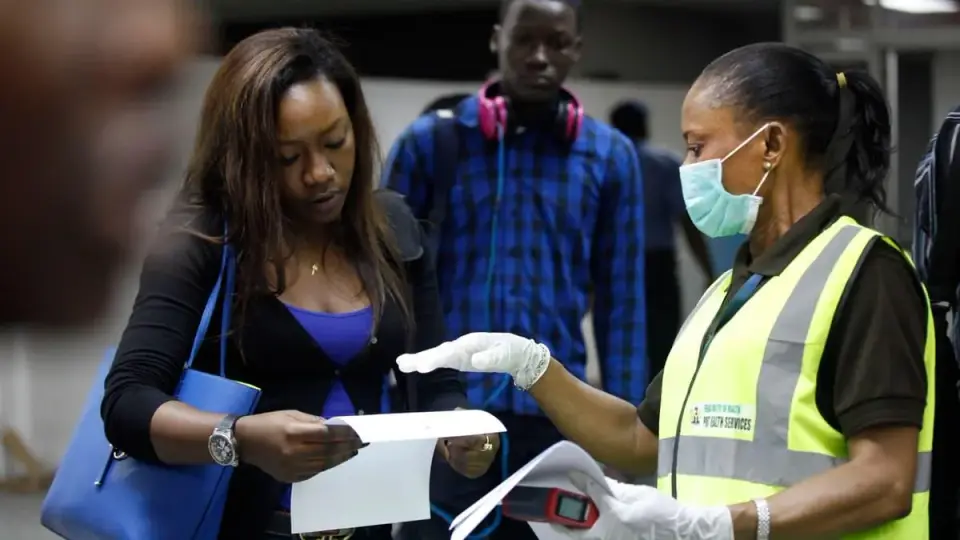
Nigeria Tightens Health Screening for Travellers From Ebola-Affected Countries
24 Sept 2026
Health
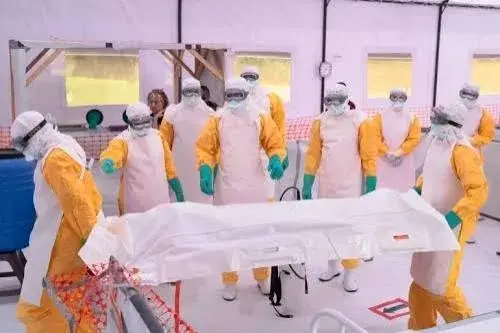
WHO Appeals for Global Support as Congo’s Worst Ebola Outbreak Overwhelms Health System
10 Sept 2026

Health
Senegal Makes Africa’s First Locally Produced Sickle Cell Treatment
29 Aug 2026
Health
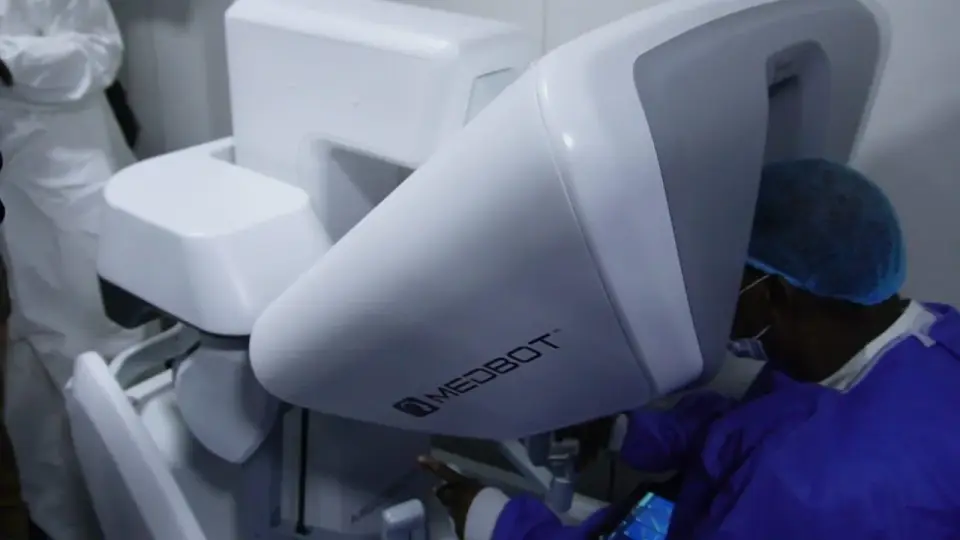
Nigeria Records First Tele-Robotic Surgery as Doctors Remove Cancerous Kidney Tumour
21 Sept 2026
Health
NAFDAC Confirms 48 Deaths, 182 Critical Cases in Ondo Methanol Poisoning Tragedy
19 Sept 2026
You may also like
Health
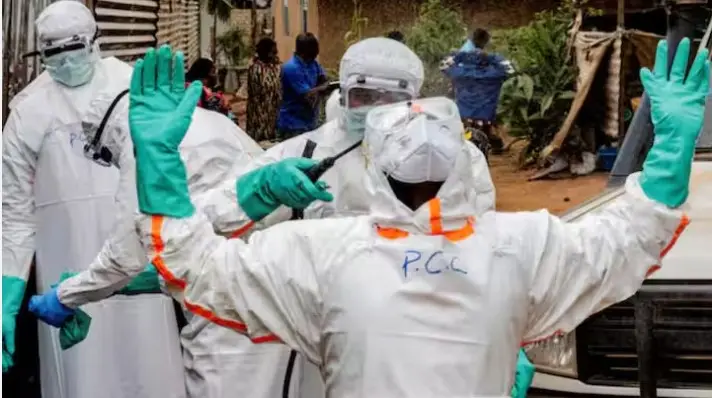
DR Congo Ebola Outbreak Spreads Exponentially, UN Warns as Death Toll Tops 2,500.
21 Aug 2026

Health
Pope Leo XIV to Undergo Surgery to Remove Early-Stage Lung Nodule
11 Oct 2026
Health
Kenya Confirms First Ebola Case Linked to DR Congo as Patient Dies
6 Oct 2026

Health
Light Meets the Brain: Three Scientists Win 2026 Nobel Medicine Prize
5 Oct 2026

Health
Meet Chika Onochie, the Pharmacist Who Won CAD$100,000 for Male Fertility Research
2 Oct 2026

Health
Euracare Challenges Probe Into Death of Chimamanda Adichie’s Son
29 Sept 2026