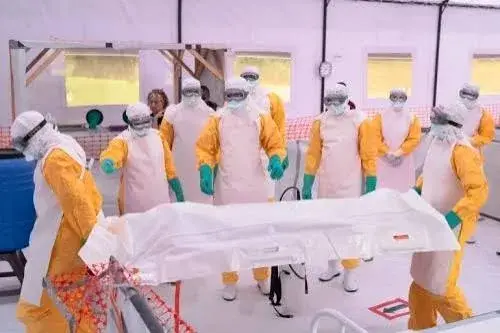
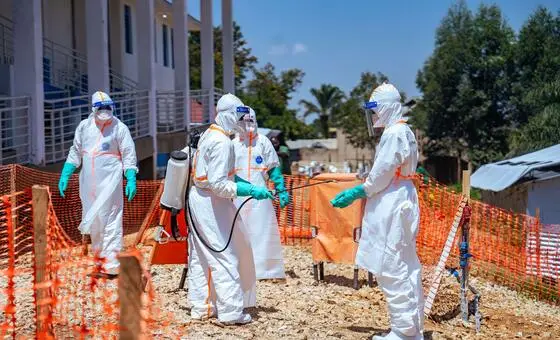
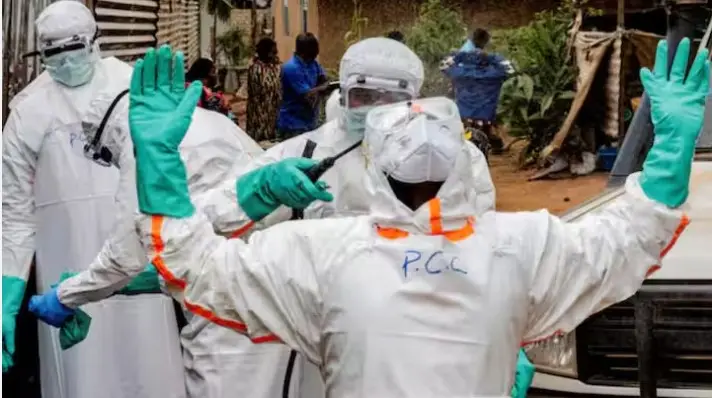
The DR Congo Ebola outbreak exceeds 11,042 cases, marking the largest and deadliest epidemic of the virus in the nation's history.
Official figures released this week by the National Institute of Public Health confirmed 5,387 deaths since the epidemic began in May. The outbreak now ranks as the second-deadliest Ebola crisis globally, behind only the 2014–2016 West African epidemic.
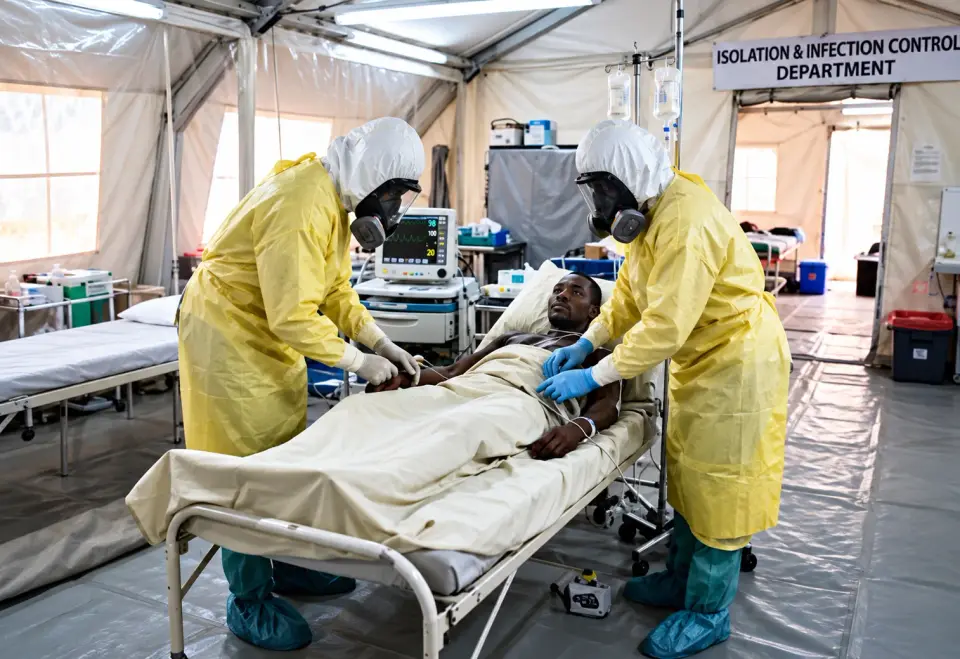
Frontline health teams report a case-fatality rate of 48.8 percent, with hundreds of patients still receiving care in isolated regional wards.
Epicentre in Conflict-Hit Eastern Provinces
The vast majority of new infections remain concentrated in the volatile northeastern provinces of Ituri and North Kivu.
According to official epidemiological records, Ituri accounts for 57.7 percent of all confirmed infections, while neighbouring North Kivu represents 32.7 percent. The virus has now penetrated 67 health zones across eight of the country’s 26 provinces, including Tshopo, Bas-Uélé, and South Kivu.
Active fighting between armed rebel factions has severely hindered emergency medical intervention. Clashes regularly displace local communities, force treatment centres to close temporarily, and put healthcare workers at risk of targeted violence.
Challenges of the Rare Bundibugyo Strain
Public health agencies face steep medical hurdles because the current epidemic is driven by the Bundibugyo species of the Ebola virus.
Unlike the more common Zaire strain, scientists have not yet licensed a specific vaccine or therapeutic treatment for the Bundibugyo virus. The World Health Organization recently initiated human clinical trials for two candidate vaccines, but results are not expected until early 2027.
Medical relief agency Doctors Without Borders has urged international regulators to expand compassionate access to the existing Ervebo vaccine. While engineered against the Zaire strain, preliminary field observations suggest it may provide partial cross-protection for exposed frontline workers.
Regional Containment and Cross-Border Vigilance
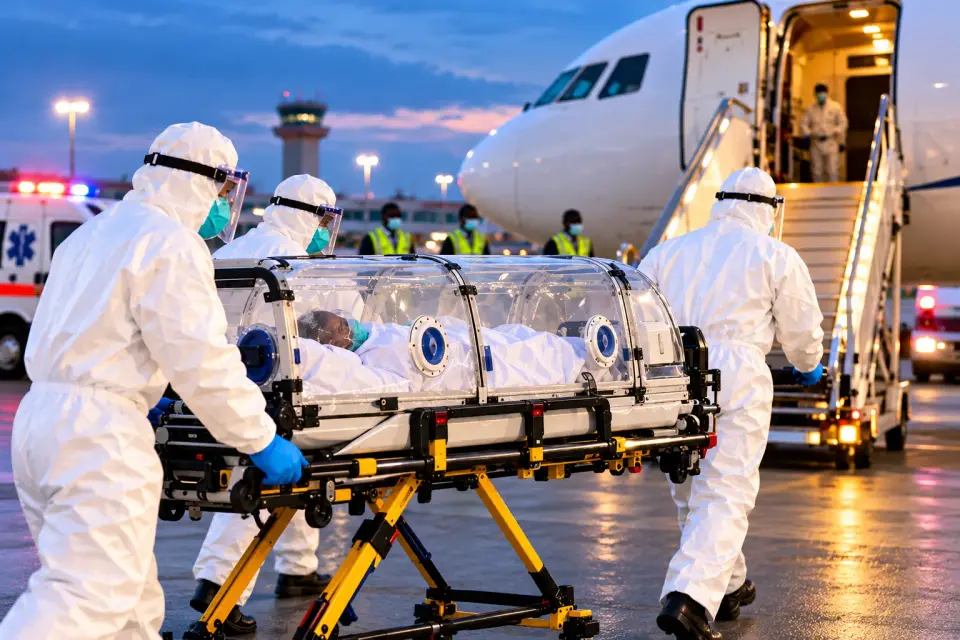
Cross-border travel has carried isolated infections into neighbouring African nations, triggering swift continental monitoring.
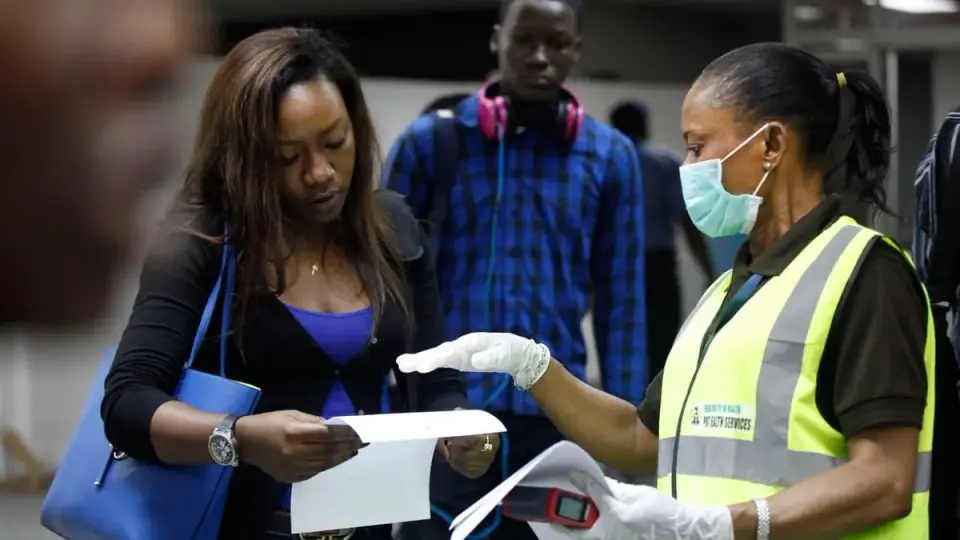
Health authorities recorded travel-associated cases in Uganda, Kenya, and Nigeria. In Kenya, officials recently discharged their final recovered patient and initiated a mandatory 42-day countdown toward an Ebola-free declaration.
Africa Centres for Disease Control and Prevention Director-General Dr. Jean Kaseya commended regional health authorities for rapid contact tracing. However, continental officials warned that high population mobility and porous borders demand strict screening protocols at all regional transport hubs.
Frontline Realities and Unanswered Questions
Government records show that 2,990 people have recovered from the hemorrhagic fever, while 651 patients remain hospitalized or under observation.
A significant number of fatalities continue to occur in remote villages before patients can reach specialized treatment units. Reluctance to seek institutional care, coupled with unsafe traditional burial customs, continues to fuel hidden transmission chains in rural territories.
International health agencies stress that bringing the epidemic under control requires both immediate medical supplies and an urgent reduction in armed hostilities across eastern Congo.