Malaria: Benue Commits ₦294.5m to Seasonal Prevention Campaign
Benue has approved ₦294.53 million to support a 2026 malaria-prevention campaign targeting children across the state.
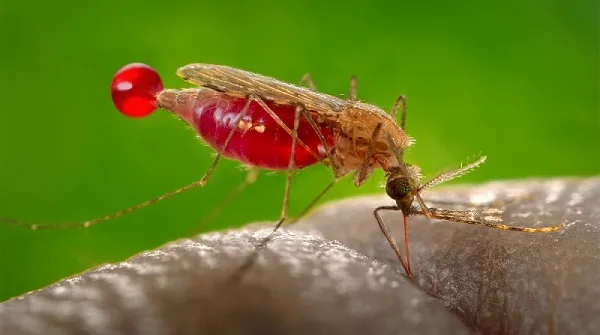
The Benue State Government has approved ₦294.53 million as counterpart funding for the 2026 Seasonal Malaria Chemoprevention (SMC) campaign, strengthening efforts to protect children in communities where malaria transmission is particularly intense during the rainy season.
The approval was reached at a State Executive and Security Council meeting in Makurdi chaired by Governor Hyacinth Alia. State Commissioner for Health and Human Services, Dr Paul Ogwuche Ejeh, said the funding demonstrated the administration's commitment to preventive healthcare and would complement technical and financial support from development partner PATH.
Seasonal Malaria Chemoprevention is designed for areas where malaria transmission follows a seasonal pattern. Rather than waiting for children to become ill, trained health workers administer recommended antimalarial medicines to eligible children during periods when the risk of infection is highest.
The approach is intended to reduce the number of malaria cases and protect children who face repeated exposure to the disease. It is used alongside other malaria-control measures, including insecticide-treated nets, early diagnosis and treatment, environmental sanitation and community health education.
For Benue, the new funding is also about ensuring that the state has a direct financial stake in the campaign. Ejeh said the government's contribution would strengthen local ownership of the programme and improve its sustainability, while also complementing the support being provided by PATH.
The commissioner urged programme managers, healthcare workers and volunteers responsible for implementation to ensure that medicines and other campaign resources reach their intended beneficiaries. He said the investment should translate into measurable improvements in child health rather than remain simply a budgetary commitment.
The government is also counting on community participation. Parents and caregivers have been urged to make eligible children available to trained health personnel, while traditional, religious and community leaders are being asked to support mobilisation efforts and encourage families to participate in the campaign.
That community element is important because malaria prevention programmes depend heavily on coverage. Funding medicines and logistics is only one part of the challenge; health teams must also be able to reach eligible children, communities must accept the intervention and supplies must be distributed as intended.
The Benue decision comes against the backdrop of the continuing burden of malaria across Nigeria, where the disease remains a major public-health concern, particularly for children and pregnant women. Seasonal interventions such as SMC are therefore aimed at preventing predictable increases in transmission rather than relying exclusively on treatment after infection occurs.
For Benue, the immediate test will be implementation. The ₦294.53 million approval provides the resources and government backing for the campaign, but its public-health value will ultimately depend on how effectively the money is converted into medicines reaching children in high-risk communities.
The broader significance is that malaria control is increasingly moving towards prevention rather than reaction. Benue's decision to put substantial state funding behind seasonal prevention shows the importance of sustained domestic financing alongside development-partner support. If the campaign achieves wide coverage and reduces malaria infections among children, it could demonstrate how state-level ownership can strengthen efforts against one of Nigeria's most persistent health threats.
Health
NAFDAC Uncovers Suspected ₦500m Fake Alcohol Factory
20 Oct 2026

Health
Light Meets the Brain: Three Scientists Win 2026 Nobel Medicine Prize
5 Oct 2026
Health
65 Children Receive Life-Changing Free Surgeries in Peter Obi Birthday Initiative
3 Sept 2026
Health
Ebola Patient Set for Evacuation From Nigeria for Treatment
26 Oct 2026
Health
Mbah Commissions Anchorage Pharmaceutical Production Facility in Enugu
22 Oct 2026
Partner with Follow Global Trends
Display banners, sponsored stories and founder spotlights.
You may also like
Health
Dubai Launches World’s First Authority Dedicated to Human Longevity
28 Sept 2026
Health
UK-Based Indian Nurse Wins $250,000 Global Nursing Award for Organ Donation Leadership
13 Sept 2026
Health
WHO Appeals for Global Support as Congo’s Worst Ebola Outbreak Overwhelms Health System
10 Sept 2026
Health
NAFDAC Blames Local Chinese Syndicates for Surge in Fake Goods Across Nigeria
9 Sept 2026
Health
UAE Becomes First Country to Approve Oral Treatment for Non-Segmental Vitiligo.”
20 Aug 2026
Health
Swiss Government Identifies Ebola Patient as Diplomat’s Wife in Abuja
25 Oct 2026