
Meet Chika Onochie, the Pharmacist Who Won CAD$100,000 for Male Fertility Research
Nigerian pharmacist Chika Onochie is gaining international recognition for McGill research exploring better ways to understand and assess male fertility.
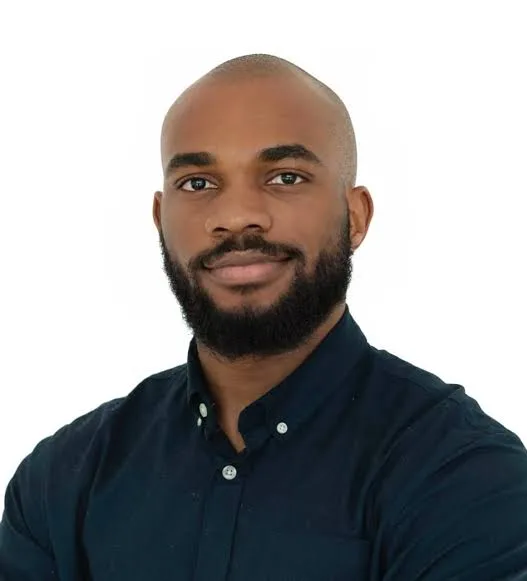
From studying pharmacy in Nigeria to conducting reproductive-health research at McGill University in Canada, Chika Onochie is building a scientific career around a question that remains difficult for fertility medicine: can researchers develop better ways of determining whether sperm are actually capable of fertilizing an egg?
Onochie, a Nigerian pharmacist and doctoral researcher at McGill, has received a research award worth up to CAD$100,000 from Québec's Fonds de recherche du Québec (FRQ). The scholarship supports his doctoral research into molecular biomarkers that could provide information about male fertility beyond what is captured through conventional semen analysis. The award followed a positive recommendation from a peer-review committee under the FRQ's Doctoral Research Scholarships programme.
The funding is significant, but so is the scientific problem Onochie is investigating. Routine semen analysis commonly examines characteristics such as sperm concentration, movement and morphology, but those measurements do not necessarily reveal everything about a sperm cell's ability to complete the biological processes required for fertilisation. Onochie's research is therefore looking deeper into molecular changes and functional characteristics of sperm.
His research sits at the intersection of pharmacology, reproductive biology, and redox signalling — the chemical processes through which cells regulate reactions involving oxidation and reduction. His published work has examined how redox-related protein modifications in sperm may influence processes such as movement, DNA integrity and fertilisation-related function.
In a 2026 study published in Antioxidants, Onochie and colleagues investigated protein CoAlation during human sperm capacitation. Capacitation is a biological process through which sperm acquire the ability to fertilise an egg. The researchers reported that levels of a particular protein modification, S-CoAlation, change during capacitation and investigated its possible role in regulating the process.
The work builds on research Onochie has already presented internationally. An abstract from the 2026 American Society of Andrology meeting identifies him as a PhD candidate at McGill and describes research examining S-CoAlation as a possible regulator of sperm capacitation. The work is still research-stage science, meaning further studies are required before such findings could translate into routine clinical testing.
Onochie's interest in the subject was shaped partly by his experience working as a pharmacist in Nigeria. He has said he encountered fertility situations in which women could undergo extensive investigations while assessment of the male partner sometimes centred largely on a conventional semen analysis. That experience prompted him to ask whether existing testing was providing a sufficiently complete picture of male reproductive function.
His academic journey began at the University of Benin, where he completed his pharmacy training and graduated in 2021 with First-Class Honours, according to profiles and reports on his career. He subsequently worked in clinical pharmacy and clinical research in Nigeria before moving to Canada in 2023 to begin his PhD in Pharmacology at McGill.
His Nigerian scientific background is also visible in his publication record. Onochie has co-authored research with University of Benin academics, including a study published in the Tropical Journal of Natural Product Research examining the antioxidant and antidiabetic properties of extracts from Cylicodiscus gabunensis.
At McGill, his research has increasingly focused on male reproductive health. His professional profile identifies pharmacology, andrology, male infertility and redox signalling among his areas of interest, while McGill research publications have recognized his achievements as a doctoral trainee working in Professor Cristian O'Flaherty's research group.
The award is also not Onochie's first recognition as a researcher. McGill's research publications record several earlier presentation and trainee awards, including recognition for his scientific presentations in reproductive and oxidative-stress research. His 2025 work on redox-induced protein modifications in sperm was also published in the peer-reviewed journal Antioxidants.
The scientific need behind the work is substantial. Research published by Onochie and his colleagues notes that male factors contribute to nearly half of infertility cases globally, while a proportion of male infertility remains unexplained. The researchers argue that routine semen analysis does not assess every aspect of sperm fertilizing competence, creating interest in additional functional and molecular indicators.
That does not mean Onochie's research has already produced a new fertility test. The CAD$100,000 award is supporting ongoing doctoral research into potential biomarkers and the molecular mechanisms behind sperm function. Any eventual diagnostic application would require additional validation, clinical studies and regulatory assessment before becoming part of routine patient care.
For Onochie, however, the award represents both scientific support and recognition of the training that brought him to this point. He has described his Nigerian education as the foundation of his research career and said the scholarship demonstrates that training received in Nigeria can provide a platform for researchers competing internationally.
His work also points to a broader shift in how infertility is understood. Rather than treating fertility investigations as predominantly a woman's health issue, researchers are increasingly examining male reproductive biology with greater precision, including the molecular mechanisms that determine whether sperm can perform their reproductive function. If Onochie's research eventually leads to reliable biomarkers that complement conventional testing, it could help clinicians investigate unexplained infertility more comprehensively and give couples better information about the factors affecting conception. For now, the award gives a Nigerian-trained scientist the resources to pursue that question at the molecular level, while adding another example of Nigerian scientific talent making its mark in international research.

Health
Euracare Challenges Probe Into Death of Chimamanda Adichie’s Son
29 Sept 2026
Health
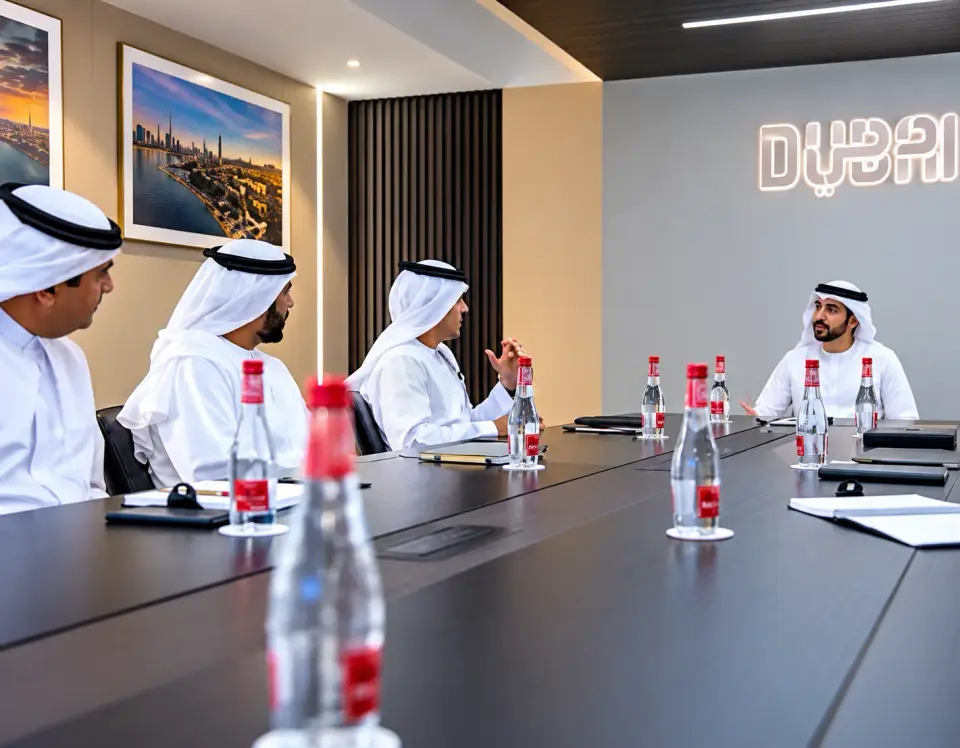
Dubai Launches World’s First Authority Dedicated to Human Longevity
28 Sept 2026
Health
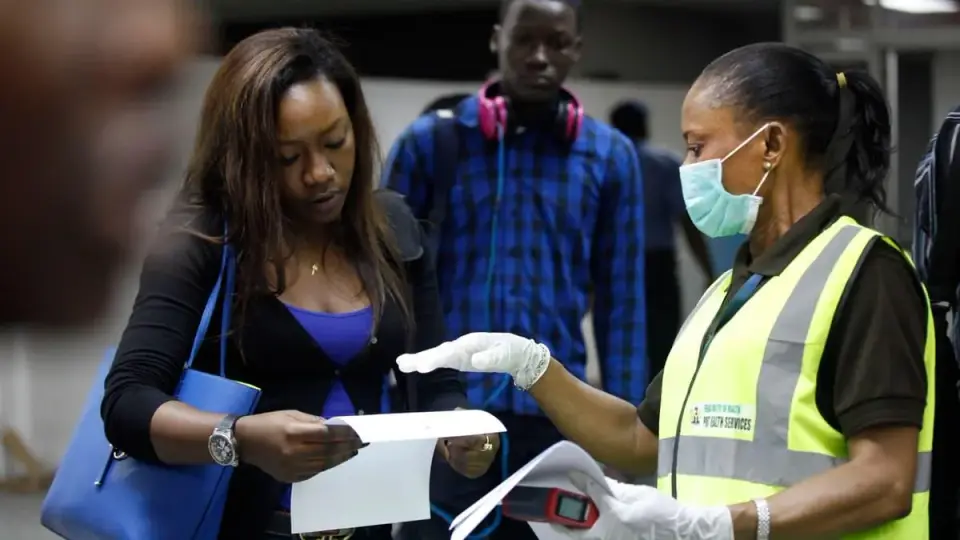
Nigeria Tightens Health Screening for Travellers From Ebola-Affected Countries
24 Sept 2026
Health
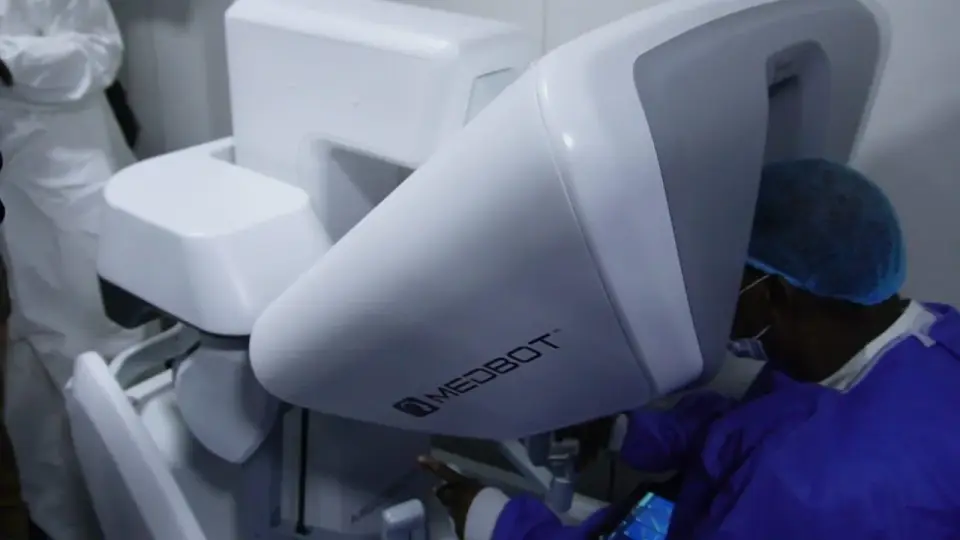
Nigeria Records First Tele-Robotic Surgery as Doctors Remove Cancerous Kidney Tumour
21 Sept 2026
Health
NAFDAC Confirms 48 Deaths, 182 Critical Cases in Ondo Methanol Poisoning Tragedy
19 Sept 2026
You may also like
Health
WHO Warns of Rising Non-Communicable Disease Deaths in Africa, Seeks Safer Healthcare
17 Sept 2026
Health
UK-Based Indian Nurse Wins $250,000 Global Nursing Award for Organ Donation Leadership
13 Sept 2026
Health
WHO Appeals for Global Support as Congo’s Worst Ebola Outbreak Overwhelms Health System
10 Sept 2026

Health
NAFDAC Blames Local Chinese Syndicates for Surge in Fake Goods Across Nigeria
9 Sept 2026

Health
65 Children Receive Life-Changing Free Surgeries in Peter Obi Birthday Initiative
3 Sept 2026
Health
Senegal Makes Africa’s First Locally Produced Sickle Cell Treatment
29 Aug 2026