Tesla aims to integrate built-in Starlink satellite internet into its consumer electric vehicle lineup by late 2027, according to Chief Executive Elon Musk. The satellite feature would extend connectivity beyond the company’s dedicated Cybercab robotaxi to standard passenger cars.
Musk shared the timeline on social media platform X in response to entrepreneur David Marcus, who asked whether Tesla planned to bring embedded Starlink hardware to all consumer models.
High-Speed Bandwidth for Autonomous Travel
Musk framed satellite access as an essential tool for Tesla’s long-term self-driving goals. He explained that vehicles will need reliable, high-capacity data streams once drivers no longer need to monitor the road.
“Hopefully available towards the end of next year,” Musk wrote. “This will be important for unsupervised FSD, so passengers have high bandwidth everywhere for work and entertainment.”
Unsupervised Full Self-Driving (FSD) describes autonomous travel where a vehicle navigates without a human driver paying attention. With hands and eyes free, passengers can stream high-definition media, join video conferences, or complete remote office tasks while on the road.
The Move Beyond Cybercab Hardware
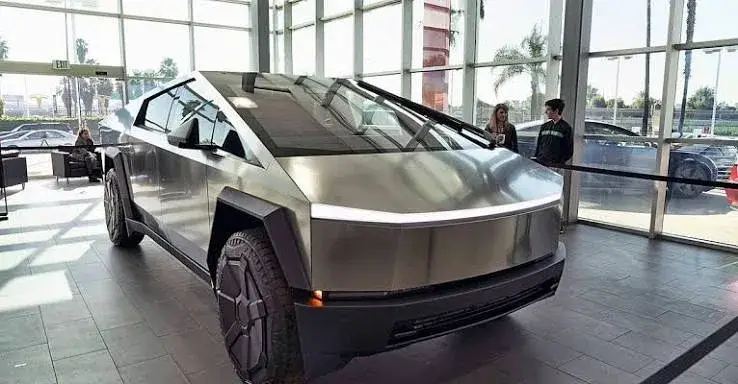
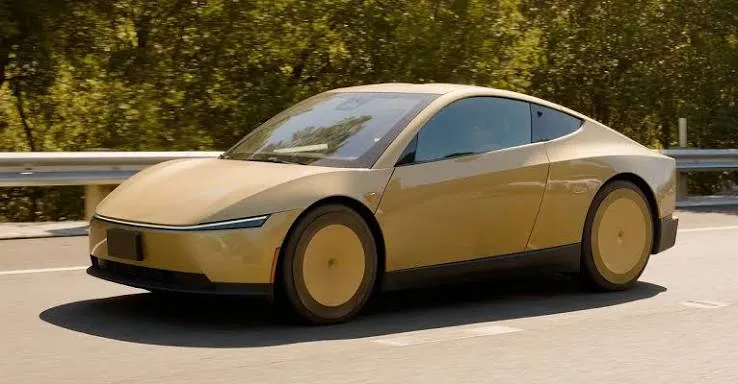
Currently, the two-passenger Cybercab is the only Tesla vehicle designed with a factory-installed Starlink antenna embedded directly into its roof.
According to Tesla autonomy lead Ashok Elluswamy, the Cybercab's current satellite hardware serves operational tasks rather than passenger entertainment. It handles fleet telemetry, mapping updates, and remote customer service.
Bringing satellite antennas to passenger models like the Model 3 and Model Y would require redesigning exterior roof panels to house flat phased-array receivers without increasing aerodynamic drag or cabin wind noise.
Eliminating Cellular Dead Zones
Today, Tesla drivers rely on standard 4G and 5G cellular networks through the company’s monthly Premium Connectivity plan.
While mobile towers provide solid coverage across major cities and motorways, rural corridors and national parks frequently suffer from weak or nonexistent signals. Musk previously referred to these dead spots as "Bermuda Triangles" of lost cellular service during an investor earnings call.
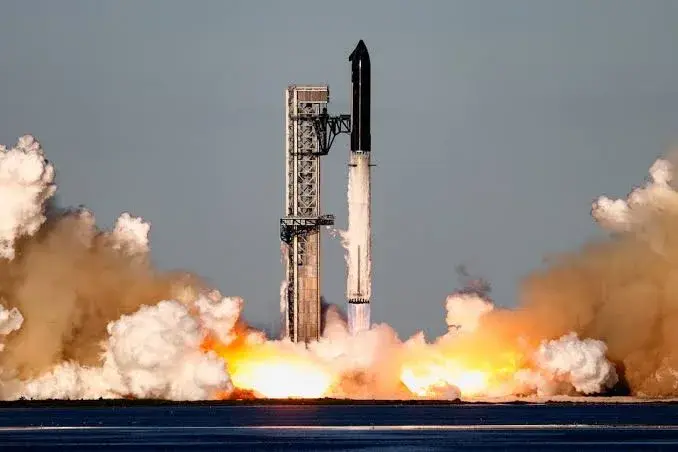
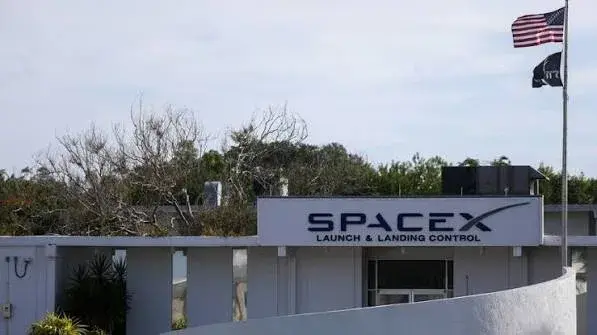
Starlink solves this challenge by connecting directly to SpaceX’s low-Earth orbit satellites. The constellation delivers high-speed internet almost anywhere with a clear view of the open sky.
Global Coverage and Geographic Restrictions
While satellite connectivity promises uninterrupted service across North America and Europe, Musk confirmed one significant exception.
“Except in China, as Starlink is illegal there,” Musk noted in a follow-up remark. Tesla manufactures hundreds of thousands of electric vehicles annually at Gigafactory Shanghai, but local telecommunications regulations prohibit the commercial operation of foreign satellite constellations.
Tesla has not announced pricing, hardware retrofit options for existing cars, or subscription tiers for the satellite service. Musk’s target of late 2027 represents an aspirational goal rather than a binding commercial launch date.