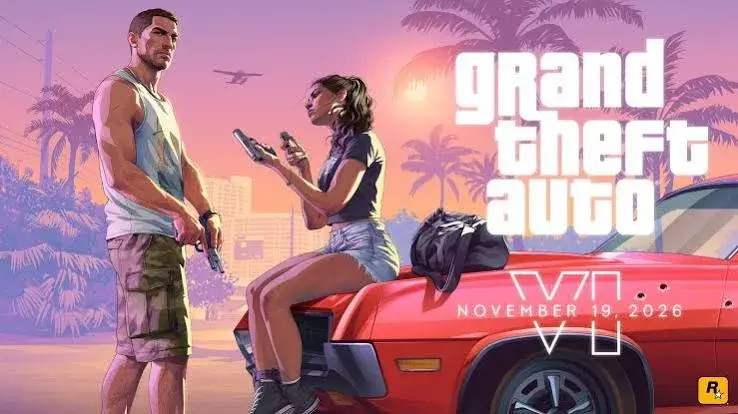
The long-awaited arrival of Grand Theft Auto VI has officially taken over the internet. Following its global release on November 19, 2026, millions of players jumped straight into the criminal underworld of Vice City.
Within hours of the launch, social media feeds filled with an explosion of fan creations. Gamers, artists, and global brands shared viral jokes, parody covers, and video tributes celebrating the end of a 13-year wait between mainline titles.
Rockstar Games released the title on PlayStation 5 and Xbox Series X|S, introducing dual protagonists Lucia and Jason. The massive cultural moment instantly spilled far beyond the gaming community.
Brands and Public Agencies Join the Vice City Craze
The viral momentum quickly caught the attention of unexpected creators. Police departments, transit authorities, and international brands published their own GTA-style artwork.
Agencies used the game's iconic pastel logo and signature aesthetic to promote road safety. Law enforcement accounts reminded drivers that real life has no respawns and car crashes bring permanent consequences.
Meanwhile, commercial brands spoofed the game's cover art to showcase their products. The widespread participation proved that Vice City’s visual identity remains one of pop culture’s most influential languages.
Relatable Gamer Tropes and Virtual Domestic Life
For everyday gamers, the memes focused on the humorous realities of launch week. Thousands posted about taking sick leave or booking hotel rooms to play without interruption.
Other viral videos highlighted quirky moments inside the game's expansive world. One TikTok trend featured players meticulously painting walls and doing household chores for virtual partners while ignoring real-life tasks at home.
Players also shared clips of the game's fictional in-game social media feeds. The satire inside Vice City mirrors modern internet culture so closely that players often joked about scrolling on virtual phones instead of finishing missions.
The Aesthetic Language of a Digital Generation
The creative wave extends well beyond simple jokes. Digital artists are using video filters and editing tools to transform real-world cityscapes into neon-soaked Vice City loading screens.
Short-form video creators on Instagram and TikTok have paired classic 1980s synth tracks with modern street footage. This blend of nostalgic neon and sharp satire defines the online conversation surrounding the release.
The global reaction highlights how video games now rival major Hollywood releases in cultural impact. For millions of fans, creating and sharing memes has become as much a part of the launch experience as playing the game itself.