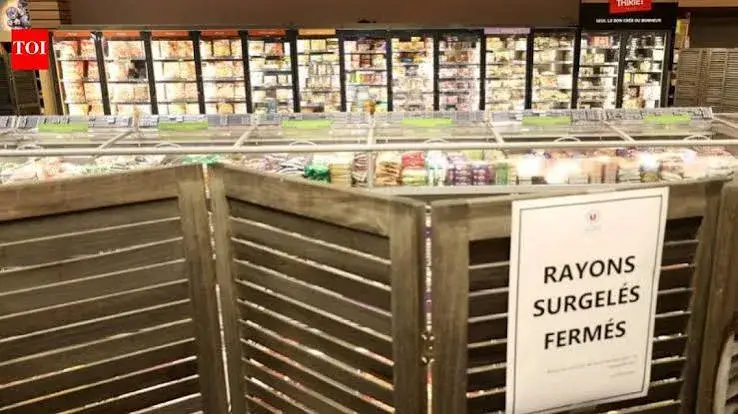
Coordinated cyberattacks on supermarket freezers disrupted food retailers across seven European nations on Monday.
The digital intrusions struck dozens of supermarkets, forcing commercial cooling units to shut down or heat up unexpectedly.
Store workers discovered thawed merchandise and flooded aisles after cooling units reached temperatures as high as fifty degrees Celsius.
The incident affected grocery locations in Belgium, Luxembourg, Sweden, Ireland, the Netherlands, Estonia, and Finland.
Sabotage of Automated Defrost Systems
Technical investigators revealed that intruders breached remote management platforms used by maintenance contractors.
Once inside, unauthorized commands forced cooling evaporators into continuous defrost cycles instead of maintaining freezing conditions.
Technicians spent the day manually severing internet links to stop temperatures from rising further.
The new wave of cyberattacks on supermarket freezers follows an earlier breach that crippled hundreds of French food markets.
Engineers confirmed that software patches alone could not fully protect vulnerable legacy systems without physical hardware modifications.
Extensive Inventory Loss and Food Safety Risks
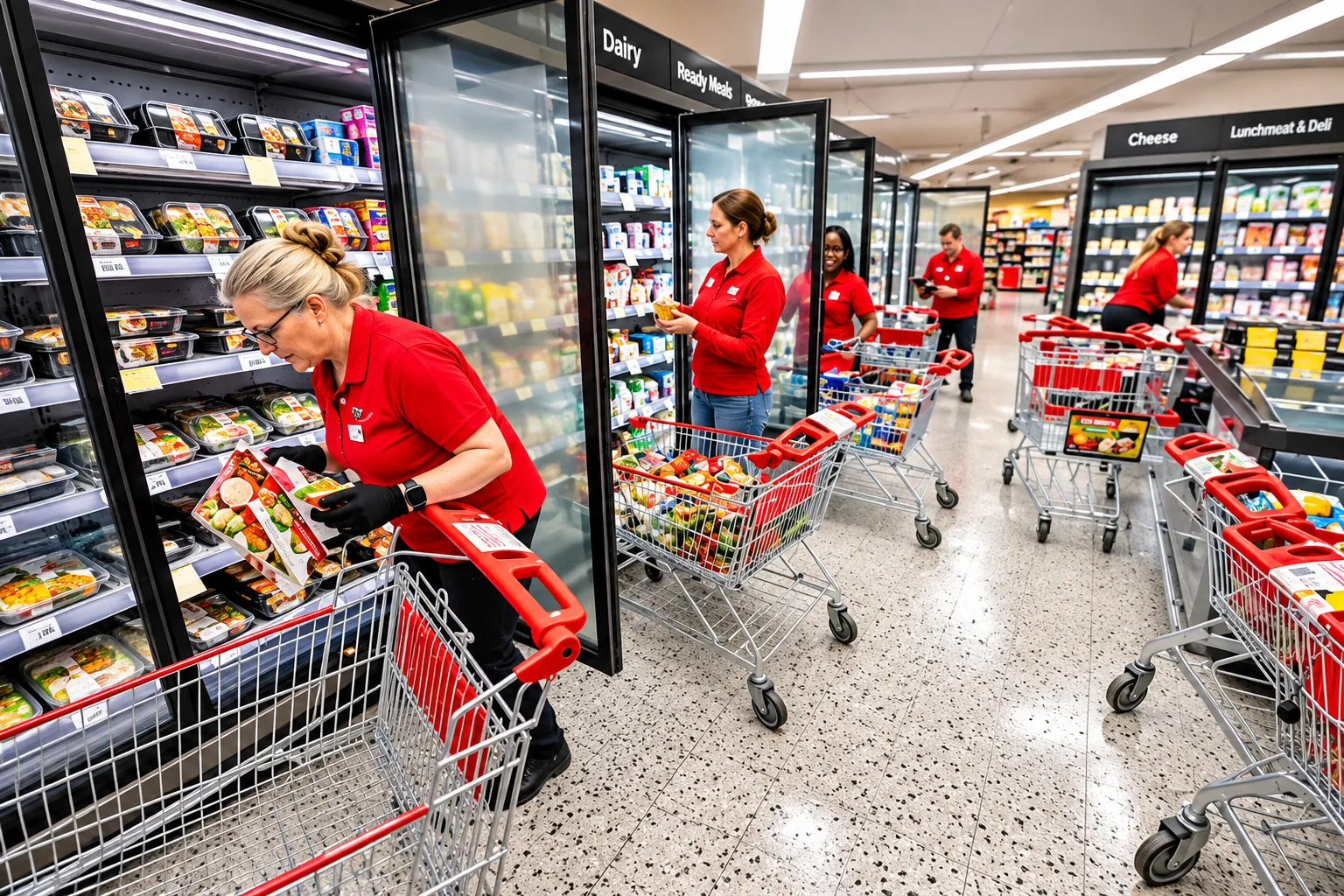
Store managers acted quickly to condemn thousands of kilograms of perishable items, including meat, dairy, and frozen meals.
Food safety inspectors ordered comprehensive stock clearance to prevent contaminated merchandise from reaching consumers.
Retail associations reported that individual stores lost tens of thousands of euros in ruined goods and emergency clean-up costs.
The widespread cyberattacks on supermarket freezers also caused major logistical backlogs as supply managers scrambled for fresh shipments.
Independent security analysts warned that targeted temperature sabotage presents serious health hazards when cold chains collapse unnoticed.
Urgency Over Connected Infrastructure
The synchronized disruptions highlight mounting risks facing internet-connected industrial hardware across modern supply chains.
Supermarket networks increasingly rely on remote web portals to adjust energy use, monitor faults, and conduct diagnostic tests.
However, older building controllers often lack encrypted communication protocols or multi-factor authentication defenses.
Cybersecurity authorities have opened formal inquiries to track the digital fingerprints of the perpetrators.
Industry leaders are now urging retailers to isolate cooling controls behind dedicated private networks to prevent further cyberattacks on supermarket freezers.