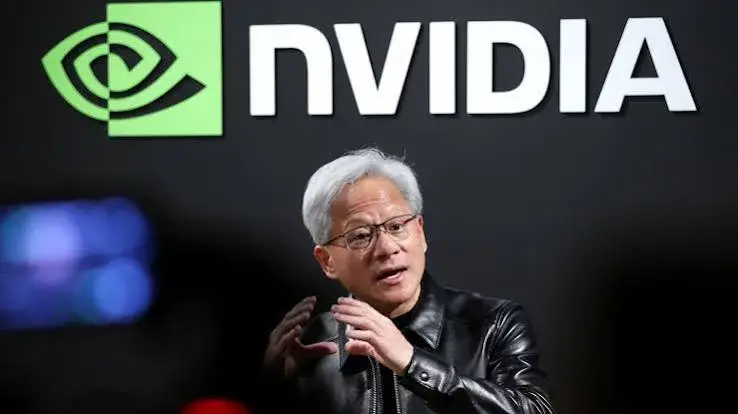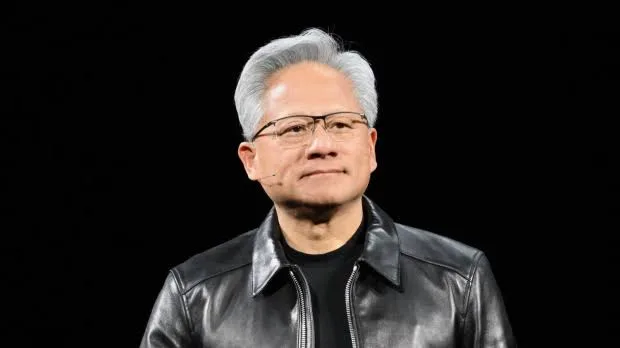
The announcement followed Huang’s public offer to return earlier on November 17.
In a statement posted on X, Huang said he had received strong support from employees, investors, business partners and customers. He said he would be honoured to return if the board decided his reinstatement would benefit the company, its shareholders and the United States.
However, board chairman Harvey Jones made the company's position clear during the earnings call.
Jones said the board had unanimously accepted Huang's resignation and had no intention of reinstating him.
He also declined to discuss the circumstances surrounding the departure. Jones said Nvidia would not take questions about the resignation or the ongoing investigation during the call.
The decision came despite public support for Huang's possible return. Among those expressing support was US President Donald Trump, according to the Associated Press.
Colette Kress Leads Nvidia as Board Searches for Successor
Nvidia appointed its longtime finance chief, Colette Kress, as interim chief executive following Huang's departure.
Kress joined Nvidia in September 2013 and has led its finance operations for more than a decade. She will continue serving as chief financial officer while overseeing the company.
The board has begun searching for a permanent chief executive. It says it will consider both internal and external candidates.
Jones said Nvidia wanted to appoint a permanent leader quickly but would not rush the decision.
The company also appointed Jones as its first-ever board chair. He has served on Nvidia's board since 1993 and previously held senior roles in the technology industry.
The leadership change is significant because Huang helped build Nvidia into one of the world's most influential technology companies.
He led the company for 33 years, overseeing its growth from a graphics-chip maker into a major supplier of artificial intelligence computing hardware.
Leadership Crisis Comes Amid Serious Personal and Security Questions
Nvidia announced Huang's resignation on November 12, effective immediately.
The company's initial announcement did not provide detailed reasons for his departure. However, during the November 17 earnings call, Jones referred to personal behaviour that was inconsistent with Nvidia's code of conduct, standards and cultural expectations.
The Associated Press has reported allegations involving Huang's personal relationships and a Chinese businesswoman linked to an investigation into the alleged diversion of restricted Nvidia chips to Chinese companies.
These matters remain subject to investigation. The allegations should not be treated as established findings, and Nvidia declined to discuss the investigation during its earnings call.
The controversy has also drawn attention from US lawmakers examining national security and technology exports.
According to the Associated Press, Huang has agreed to appear for a transcribed congressional interview on December 1. Nvidia's general counsel, Tim Teter, is scheduled to appear on December 2.
Nvidia has also announced a new board committee to oversee national security and export-control compliance.
The developments place additional pressure on the company to address questions about its business practices and internal oversight.
Strong Earnings Offer Reassurance to Nvidia Investors
Despite the leadership controversy, Nvidia reported strong financial results for its third quarter of fiscal 2027.
The company announced revenue of $115.8 billion for the quarter ended October 25, 2026. That represented a 103 per cent increase compared with the same period last year.
Its data centre business generated $107.6 billion, marking a 110 per cent annual increase.
Nvidia also reported earnings of $2.70 per diluted share on a generally accepted accounting principles basis.
The results highlight the continuing demand for Nvidia's chips, which power artificial intelligence systems, cloud computing and large data centres.
Interim CEO Kress sought to reassure investors that the leadership transition would not disrupt the company's plans.
She said Nvidia's product roadmap remained on track and that demand was accelerating.
The company also forecast revenue of approximately $130 billion for its fourth fiscal quarter.
For now, Nvidia is moving forward under Kress while its board searches for a permanent chief executive. The board's rejection of Huang's return leaves the company facing a major leadership transition at a time of exceptional demand for its technology.