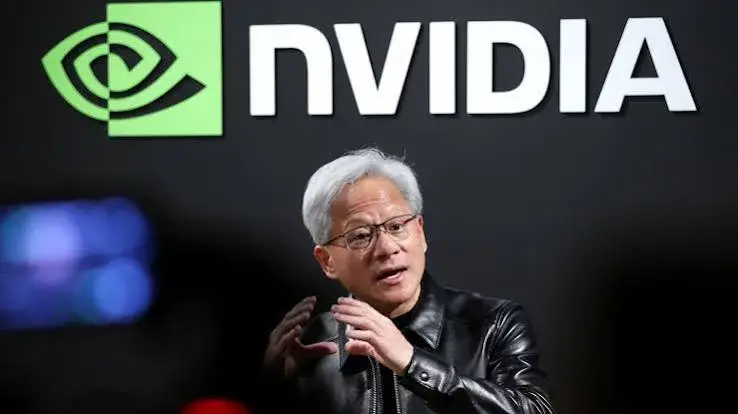
President Donald Trump has backed calls for Jensen Huang to return as chief executive of Nvidia, the American technology company at the centre of the global artificial intelligence revolution.
Speaking to reporters outside the White House on Monday, November 16, Trump said he would welcome Huang's reinstatement.
The president was responding to questions about growing efforts to restore the former Nvidia chief to his position.
"I would certainly not mind seeing that," Trump said.
He also suggested that Huang had learned an important lesson from the controversy surrounding his departure.
"I think he learned a big lesson," Trump added.
Trump's comments represent a significant show of support for the technology executive, whose departure has triggered an extraordinary leadership dispute.
The president also indicated that the allegations surrounding Huang could feature in discussions during his planned trip to Asia.
Trump said he did not know whether Alice Huang, the woman at the centre of espionage allegations, was actually a Chinese spy.
He suggested that the allegations should not automatically be treated as established facts.
Elon Musk and Silicon Valley Leaders Join the Campaign
Trump's intervention comes as influential figures in the technology industry rally behind Huang.
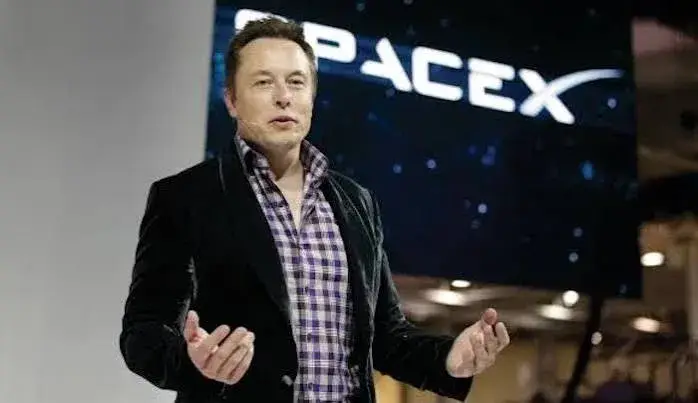
Tesla and SpaceX chief executive Elon Musk has publicly supported efforts to bring the former Nvidia leader back.
Musk previously announced that he had signed an online petition calling for Huang's reinstatement.
Other prominent technology figures have also appeared among the campaign's supporters.
They include Epic Games chief executive Tim Sweeney and Replit chief executive Amjad Masad.
The online campaign, known as Stand With Jensen, had attracted more than 177,000 signatures by Monday, according to Reuters.
The petition also lists thousands of people identifying themselves as current Nvidia employees and tens of thousands claiming shareholder status.
However, the website warns that professional affiliations are self-reported and independently unverified.
Supporters argue that Huang deserves another opportunity to lead the company he helped build.
They have also questioned the circumstances surrounding his departure and whether the company followed an adequate process.
Nevertheless, public support does not automatically translate into a corporate decision.
Nvidia's board retains responsibility for determining who leads the company.
Why Jensen Huang Left Nvidia
Huang's departure followed a growing controversy involving his personal relationships and allegations of possible foreign intelligence activity.
Nvidia announced on November 12 that its board had accepted his resignation as president and chief executive.
The company also confirmed that he had left its board of directors.
The resignation followed revelations of extramarital relationships, including one involving Alice Huang, a Chinese national linked to allegations of espionage.
The two individuals are not related.
The controversy raised questions about potential national security risks and whether sensitive business information could have been exposed.
Huang acknowledged personal misconduct in a message to Nvidia employees and apologised to his family and colleagues.
However, allegations that Alice Huang worked for Chinese intelligence have not been established as proven facts.
Nvidia's board had already announced an independent investigation into the matter.
The company previously said its preliminary review had uncovered no evidence that proprietary technology or national security information had been compromised.
Following Jensen Huang's departure, Nvidia appointed its chief financial officer, Colette Kress, as interim chief executive.
The company said its board would consider both internal and external candidates while searching for a permanent replacement.
Nvidia Faces a Difficult Leadership Decision
Trump's endorsement has intensified an already complicated situation for Nvidia.
The company is one of the world's most influential semiconductor manufacturers. Its graphics processing units power artificial intelligence systems, cloud computing infrastructure and advanced data centres.
Huang co-founded Nvidia in 1993 and spent more than three decades building its position in the global technology industry.
His leadership helped transform the company from a graphics-chip manufacturer into a central supplier of artificial intelligence computing technology.
That history explains why his departure has attracted such an extraordinary response.
However, reinstating a former chief executive after a major corporate controversy presents difficult questions about governance, accountability and investor confidence.
The board must also consider whether restoring Huang would strengthen the company's leadership or create further uncertainty.
US Treasury Secretary Scott Bessent has reportedly favoured a substantial leadership shake-up and an external search for Nvidia's next permanent chief executive.
Reuters also reported that Nvidia's board had approached Arm chief executive Rene Haas as a potential successor.
This suggests that the company may be considering alternatives beyond simply restoring its former leader.
Nvidia has not announced any decision to reinstate Huang.
What Happens Next?
Trump's comments have given the reinstatement campaign greater visibility, but the final decision rests with Nvidia's board.
The company's immediate priority remains maintaining leadership stability while its independent investigation continues.
Investors will also be watching Nvidia's upcoming financial results and any announcements concerning the permanent chief executive position.
For now, Huang's possible return remains under discussion rather than an established corporate decision.
Whether the board accepts the growing calls for his reinstatement could become one of the most closely watched leadership decisions in the global technology industry.