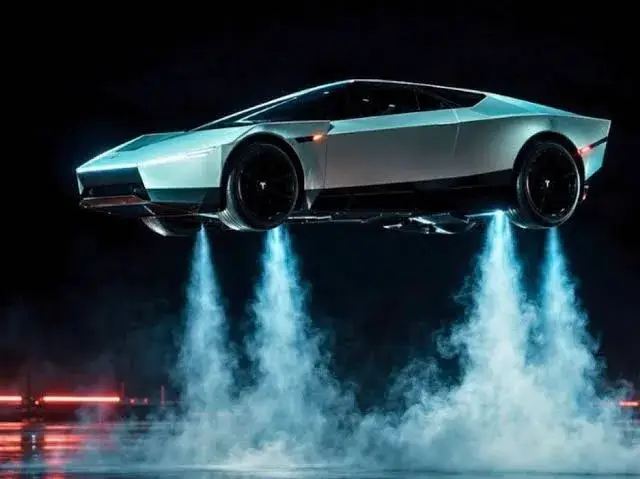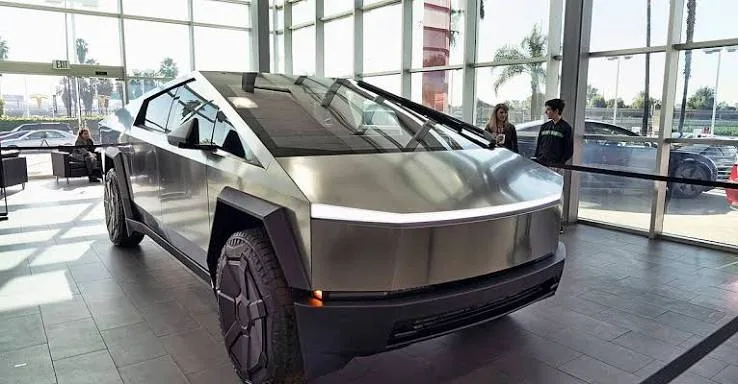
Tesla pulls the plug on Cybertruck assembly at its Austin facility around the middle of 2027, concluding an ambitious experiment in unconventional vehicle design. Chief Executive Elon Musk announced the move, noting that factory floor space must shift toward mass manufacturing of the two-seat autonomous Cybercab.
The decision ends years of speculation regarding the commercial viability of the stainless-steel pickup. Despite capturing global headlines during its dramatic 2019 debut, customer deliveries failed to approach initial executive targets, leaving specialized factory lines substantially underutilized.
Deliveries Languish Far Below Targets
Early executive projections called for steady annual demand of 250,000 trucks once full-scale production commenced. However, retail registrations remained sluggish after customer handoffs began in late 2023, failing to convert initial refundable deposits into lasting commercial volume.
Automotive market trackers recorded a sharp downturn in domestic demand throughout 2025, with annual deliveries slipping to approximately 20,000 units. Recent production pacing indicates the vehicle has been selling at roughly 10 percent of its planned factory output, making continued line operations financially unsustainable.
High showroom pricing and limited real-world utility discouraged mainstream pickup buyers who prioritize payload capacity and widespread commercial service networks. As early lifestyle adopters received their orders, subsequent retail demand slowed across key domestic markets.
Production Complexities and Overseas Hurdles
Manufacturing the geometric pickup created persistent bottlenecks inside Gigafactory Texas. The vehicle’s cold-rolled steel body panels demanded specialized bending equipment, proprietary stamping presses, and unique joining processes that could not be shared with other production lines.
Stringent international vehicle safety regulations compounded those factory difficulties. Rigid exterior panels and sharp edges prevented the truck from obtaining type-approval certification across the European Union and the United Kingdom, where pedestrian impact rules are strictly enforced. Restricted to a limited set of North American territories, the model was denied access to profitable global export channels.
Operational costs rose further due to multiple voluntary dealership service campaigns over the past three years. Technicians addressed issues involving accelerator pedal assemblies, front wiper motors, electrical harnesses, and exterior trim panels, adding overhead to the Austin assembly plant.
Reallocating Austin to Autonomous Fleets
The decision to cease assembly allows the automaker to reassign engineering talent and floor space toward autonomous transport. Musk has maintained that the enterprise's long-term commercial valuation depends heavily on self-driving robotaxi networks rather than specialized consumer utility vehicles.
Austin serves as the only plant configured to produce the pickup’s custom chassis, making the factory floor an ideal site for automated Cybercab assembly lines. The autonomous passenger vehicle represents the core of the company's planned commercial ride-hailing operations, expected to begin fleet testing late next year.
Musk characterized the upcoming shutdown as the close of an important creative era while praising the model’s distinctive engineering. Current owners will continue to receive software updates, diagnostics, and component servicing through the automaker’s standard dealership network.