
Israeli Navy Eyes Boeing P-8 Poseidon for Anti-Submarine Operations
Israel is evaluating the Boeing P-8 Poseidon as a potential long-range maritime patrol aircraft to strengthen anti-submarine warfare and naval surveillance capabilities.
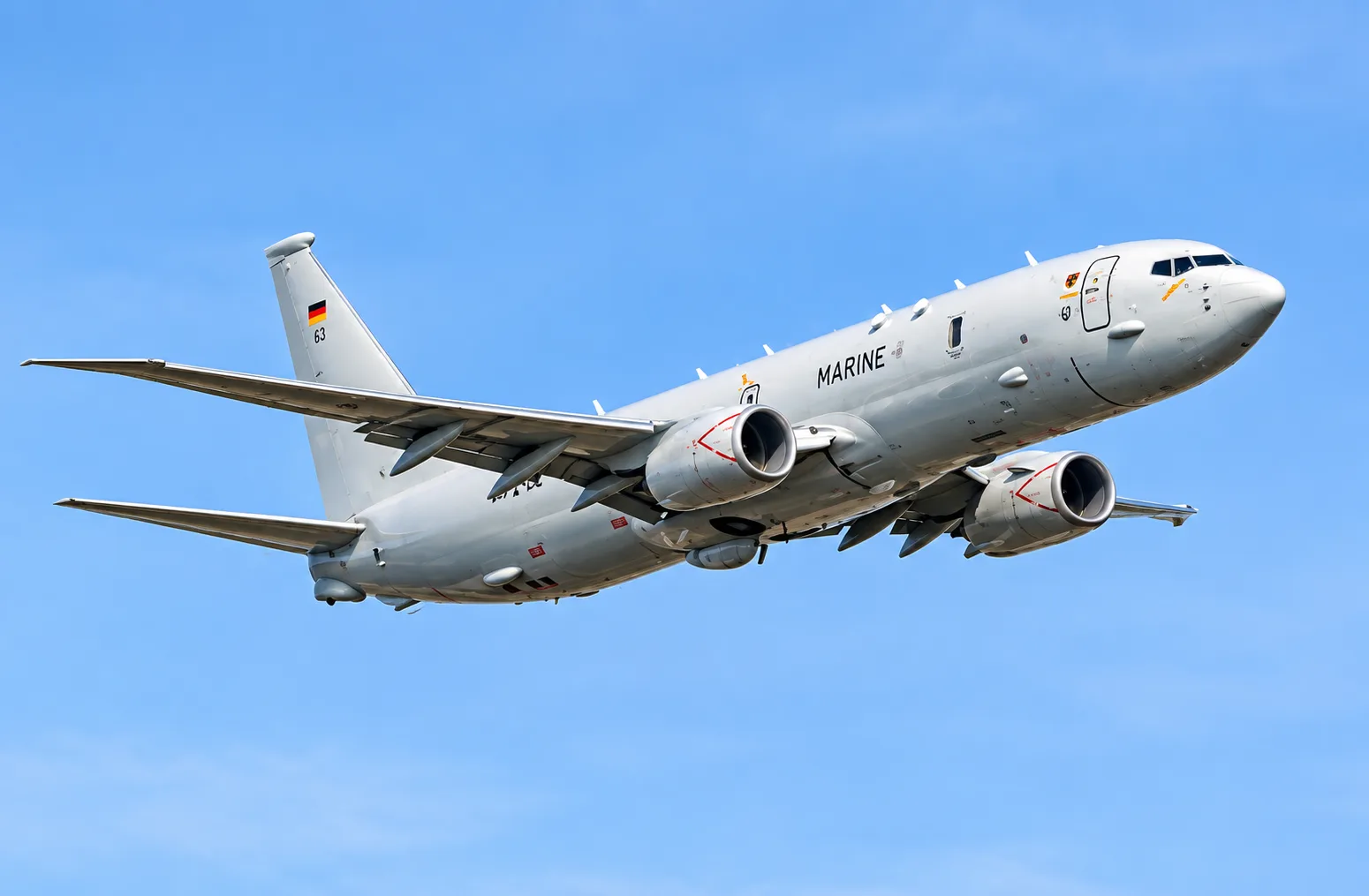
Israel is weighing the acquisition of the Boeing P-8 Poseidon, one of the world’s most advanced maritime patrol aircraft, as part of a broader effort to strengthen its naval surveillance and anti-submarine warfare capabilities in the increasingly contested waters of the Eastern Mediterranean.
The proposed purchase, which is under active consideration by Israeli defence planners, would significantly enhance the Israeli Navy’s ability to detect, track and respond to hostile submarine activity while expanding long-range maritime intelligence and reconnaissance operations. The aircraft has become the maritime patrol platform of choice for several NATO allies and Indo-Pacific partners, reflecting its growing importance in modern naval warfare.
The Boeing P-8 Poseidon is a military aircraft derived from the Boeing 737 platform and designed specifically for maritime patrol, anti-submarine warfare (ASW), anti-surface warfare and intelligence missions. Equipped with advanced radar, electronic surveillance systems, sonobuoys and torpedoes, it can locate submarines over vast maritime areas while coordinating with naval ships and allied forces.
For Israel, the aircraft would fill a capability gap by providing persistent airborne coverage of strategic maritime zones, including offshore natural gas infrastructure, commercial shipping routes and sensitive naval operating areas.
The Eastern Mediterranean has become one of the world’s most strategically significant maritime regions, driven by offshore gas discoveries, expanding naval deployments and heightened geopolitical competition. Israel has invested heavily in protecting its exclusive economic zone, where major gas fields supply domestic energy and contribute to regional exports.
Defence analysts say growing submarine activity by regional powers has increased the importance of long-range maritime patrol assets capable of identifying underwater threats before they approach critical infrastructure. The P-8’s sophisticated sensor suite would allow Israel to monitor large sections of the Mediterranean more effectively than helicopter-based surveillance alone.
A potential acquisition would also deepen Israel’s defence interoperability with the United States and other Western partners already operating the Poseidon, including the United Kingdom, Australia, Norway, Germany, India and South Korea. Shared platforms enable closer intelligence cooperation, joint exercises and standardized maritime operations across allied navies.
Although Israeli officials have not confirmed a final procurement decision, defence industry observers believe discussions are progressing as part of wider efforts to modernize the country’s maritime security architecture.
The consideration comes as navies worldwide increasingly prioritize anti-submarine warfare amid renewed great-power competition. From underwater communications cables to offshore energy facilities, maritime infrastructure has become a central element of national security, requiring constant surveillance and rapid response capabilities.
For Israel, any decision to procure the P-8 would represent more than the purchase of a new aircraft. It would signal a strategic shift toward longer-range maritime awareness and reinforce the country’s ability to protect critical energy assets, deter underwater threats and operate more effectively in an increasingly complex Mediterranean security environment.
More on Security
Security
Rivers: Navy Dismantles Illegal Crude Storage Facility, Recovers 93,000 Litres
22 Aug 2026
Security
US Navy Warship Goes Dark in South China Sea, Crew Endures Four Days Without AC
17 Aug 2026

Security
119 Nigerians Pulled from Cybercrime Syndicates in Ghana as Authorities Step Up Crackdown
13 Oct 2026

Security
INTERPOL, NDLEA Nab Wanted Heroin Kingpin in Benin Republic
9 Sept 2026

Security
Rivers Moves to Boost Protection of Oil and Public Infrastructure Through Army Partnership
2 Sept 2026
Partner with Follow Global Trends
Display banners, sponsored stories and founder spotlights.
You may also like

Security
Kidnapped Kebbi High Court Judge Regains Freedom After Week-Long Ordeal
3 Aug 2026

Security
Gunmen Kill Nine in Attack on Greek Orthodox Church in Jordan
24 Oct 2026

Security
Hegseth Backs Livestream of Nidal Hasan’s Planned Firing Squad Execution
10 Oct 2026
Security
UK Arrests British-Iranian Man Over Suspected RAF Fairford Terror Plot
1 Oct 2026

Security
Five British Men Released on Bail After RAF Fairford Terror Arrests
29 Sept 2026

Security
RAF Base Terror Suspects Identified as British Nationals From London
28 Sept 2026