
119 Nigerians Pulled from Cybercrime Syndicates in Ghana as Authorities Step Up Crackdown
Ghanaian authorities have rescued 119 Nigerians in an operation targeting cybercrime syndicates, with 105 repatriated and 14 still awaiting processing, according to Nigeria’s anti-trafficking agency.

Ghanaian authorities have rescued 119 Nigerians during an operation targeting cybercrime syndicates, with 105 returning to Nigeria as security agencies from both countries intensify cooperation against cross-border criminal networks.
The National Agency for the Prohibition of Trafficking in Persons (NAPTIP) confirmed on Monday, October 12, that the 105 returnees had been received on behalf of the Federal Government. The remaining 14 Nigerians were still undergoing processing by Ghanaian authorities at the time of the announcement.
The operation was coordinated by Nigeria’s Office of the National Security Adviser (ONSA) following a request for assistance from Ghana’s Cyber Security Authority. NAPTIP led the Nigerian agencies involved, working alongside the Nigeria Immigration Service, the Department of State Services, the National Intelligence Agency and the National Commission for Refugees, Migrants and Internally Displaced Persons.
The Nigerian High Commission in Ghana and other partners also participated, while NAPTIP acknowledged support from Ghana’s Cyber Security Authority, the Ghana Immigration Service and the United Kingdom’s National Crime Agency.
Receiving the returnees, NAPTIP Director-General Binta Lami Adamu Bello assured them of their safety and said officials would assess their individual circumstances through profiling and reintegration procedures. The process is intended to establish what support each person may need following the operation.
An important distinction remains, however: the agency’s public statement does not establish whether all 119 Nigerians were victims of exploitation, suspected cybercrime participants or a combination of both. It also did not disclose the identities of those rescued, the locations where they were found or whether arrests were made during the operation. Those details will be important in understanding the full circumstances of the case.
NAPTIP urged Nigerians to exercise caution when considering overseas employment, scholarships and other opportunities, particularly offers featuring unrealistic earnings, vague job descriptions or suspicious recruitment arrangements. Such offers can expose applicants to exploitation, especially when recruiters control their travel arrangements, documents or access to assistance.
The operation also reflects a wider regional security challenge. Cybercrime networks can operate across borders, while deceptive recruitment and irregular migration can make it difficult to distinguish people who knowingly participate in criminal activity from those who may have been manipulated or coerced. Ghana and Nigeria have previously conducted joint operations against suspected cyber fraud and human trafficking, underscoring the need for sustained cooperation rather than isolated enforcement actions.
For the 119 Nigerians, the immediate priority is to establish what happened to them and ensure that anyone subjected to coercion or exploitation receives appropriate protection. More broadly, the operation highlights why cross-border security efforts must go beyond rescuing and repatriating people: dismantling the networks behind these cases, investigating recruiters and providing safe routes for reporting abuse will be essential to preventing further exploitation.
More on Security
Security
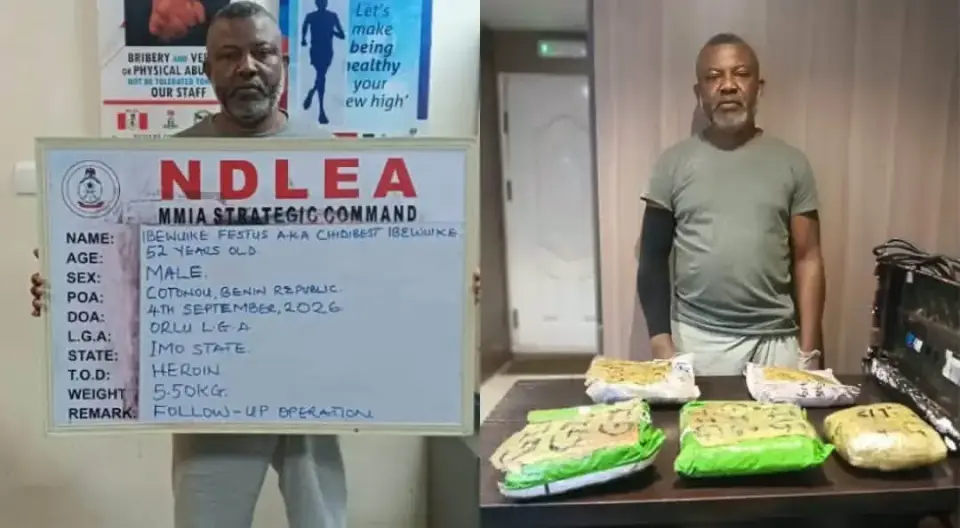
INTERPOL, NDLEA Nab Wanted Heroin Kingpin in Benin Republic
9 Sept 2026

Security
Nigeria Police Issue Nationwide Terror Alert Over Churches, Schools and NYSC Camps
15 Sept 2026

Security
South Africa to Extradite Six Nigerians to US Over Alleged $6 Million Romance Scam
11 Sept 2026
Security
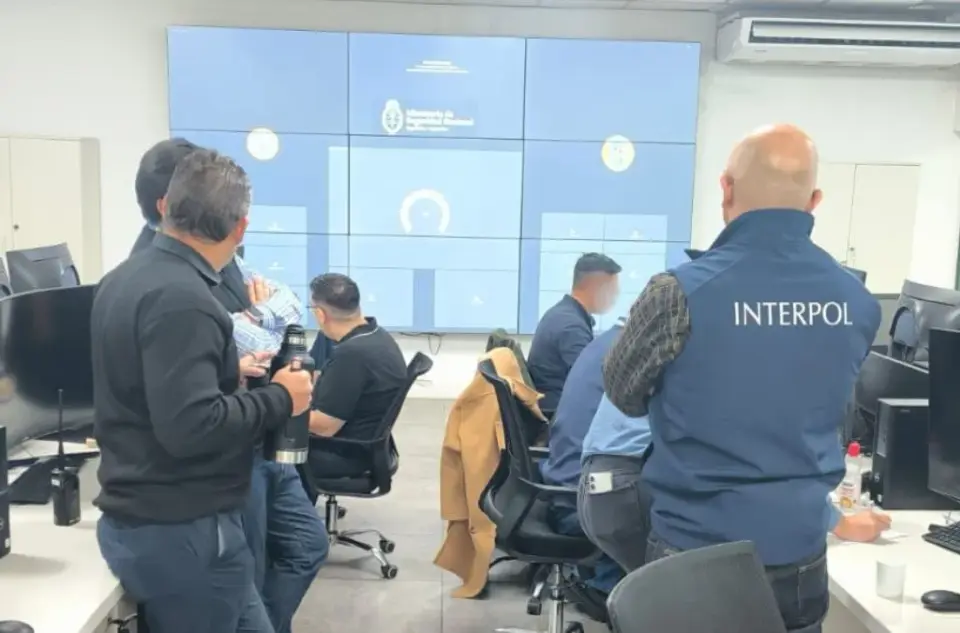
INTERPOL Cracks Down on Black Axe Networks, 58 Arrested in Global Operation
26 Aug 2026

Security
After Public Outcry, EFCC Drops Charges Against Maryam and Abubakar.
21 Aug 2026
You may also like
Security
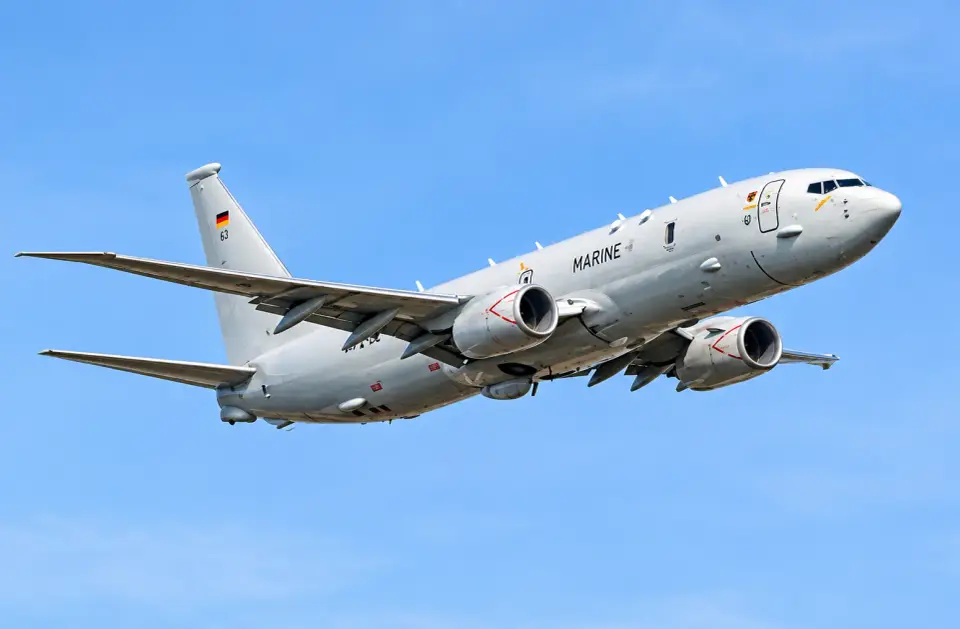
Israeli Navy Eyes Boeing P-8 Poseidon for Anti-Submarine Operations
26 Sept 2026
Security
Nigeria's Arms Imports Surge 104% to ₦55 Billion Ahead of 2027
15 Sept 2026
Security
US Delivers Military Equipment to Nigeria, Boosting Counterterrorism Fight
11 Sept 2026
Security
Liverpool Park Horror: Detectives Still Unable to Identify Woman Found in Bin Bag
2 Sept 2026

Security
Nigerian Man Jailed 8 Years in UK for Targeting Elderly and Disabled Patients
1 Sept 2026

Security
Police Officer Shot Near Ontario Synagogue as Worshippers Mark Yom Kippur
21 Sept 2026