
Nigerian Man Jailed 8 Years in UK for Targeting Elderly and Disabled Patients
The convicted robber will face deportation after serving his prison sentence, British authorities have confirmed.

A Nigerian man has been sentenced to eight years in prison in the United Kingdom after being convicted of a series of robberies targeting elderly and disabled hospital patients, in a case that has shocked communities and prompted renewed warnings about the exploitation of vulnerable people.
A UK court heard that the defendant deliberately preyed on patients who were receiving medical treatment or recovering in healthcare facilities, stealing cash, bank cards and personal belongings from victims who were least able to defend themselves. Prosecutors described the offences as calculated and opportunistic, arguing that the victims were specifically chosen because of their age, illness or physical disability.
During sentencing, the judge condemned the crimes as a grave breach of trust, saying the victims should have felt safest while receiving medical care. The court was told that several elderly patients were left not only with financial losses but also emotional distress after discovering their possessions had disappeared during periods of vulnerability.
British investigators said the robberies formed part of a sustained pattern of offending rather than isolated incidents. Evidence presented during the trial linked the defendant to multiple thefts through surveillance footage, witness testimony and financial records tracing the movement of stolen bank cards and money.
Following the conviction, UK authorities confirmed that the Nigerian national will be deported after completing his custodial sentence, subject to the country’s immigration and removal procedures. The deportation order reflects existing provisions that allow the removal of foreign nationals convicted of serious criminal offences once their prison terms have been served.
The case has also reignited discussions around safeguarding measures within hospitals and care settings. Police urged healthcare staff, patients and families to remain vigilant, encouraging the prompt reporting of suspicious behaviour around wards where elderly and disabled patients may be especially vulnerable to theft.
While the sentence brings justice for the victims, the wider significance extends beyond one courtroom. The case underscores the responsibility of healthcare institutions and law enforcement to protect society’s most vulnerable people, while reinforcing the UK’s determination to pursue serious offenders and apply deportation measures where the law permits.
More on Security

Security
119 Nigerians Pulled from Cybercrime Syndicates in Ghana as Authorities Step Up Crackdown
13 Oct 2026
Security
UK Arrests British-Iranian Man Over Suspected RAF Fairford Terror Plot
1 Oct 2026
Security
RAF Base Terror Suspects Identified as British Nationals From London
28 Sept 2026

Security
South Africa to Extradite Six Nigerians to US Over Alleged $6 Million Romance Scam
11 Sept 2026

Security
Five British Men Released on Bail After RAF Fairford Terror Arrests
29 Sept 2026
Partner with Follow Global Trends
Display banners, sponsored stories and founder spotlights.
You may also like

Security
Gunmen Kill Nine in Attack on Greek Orthodox Church in Jordan
24 Oct 2026

Security
Police Officer Shot Near Ontario Synagogue as Worshippers Mark Yom Kippur
21 Sept 2026

Security
Nigeria Police Issue Nationwide Terror Alert Over Churches, Schools and NYSC Camps
15 Sept 2026
Security
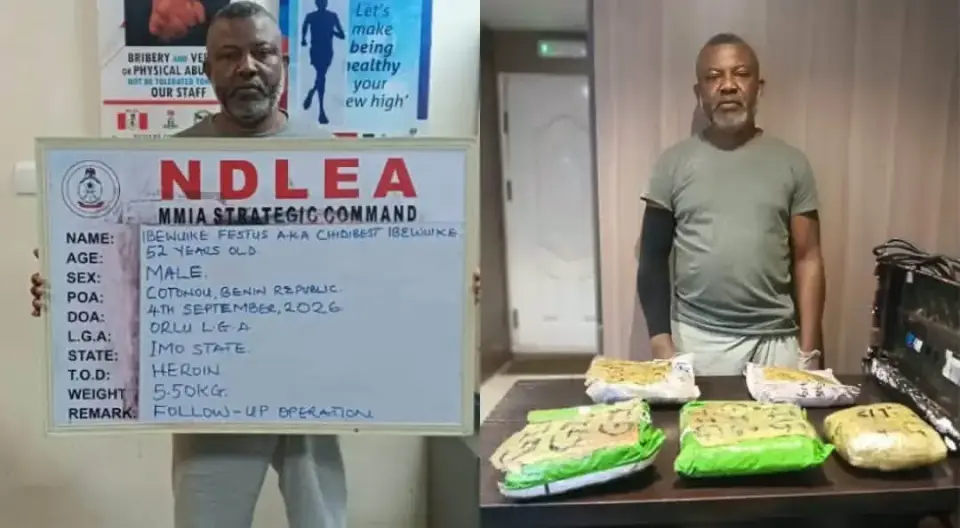
INTERPOL, NDLEA Nab Wanted Heroin Kingpin in Benin Republic
9 Sept 2026
Security
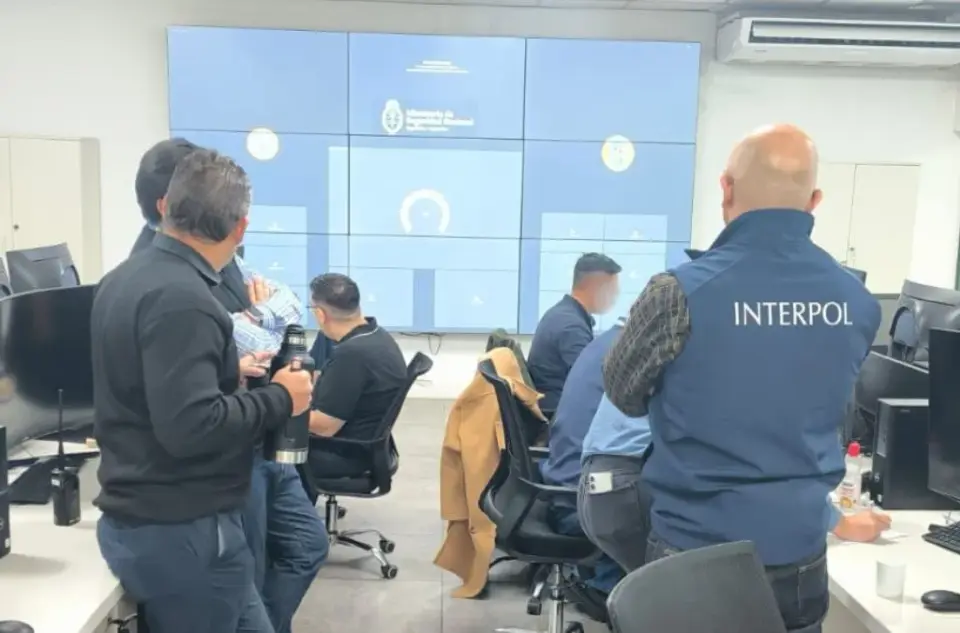
INTERPOL Cracks Down on Black Axe Networks, 58 Arrested in Global Operation
26 Aug 2026
Security
Rivers: Navy Dismantles Illegal Crude Storage Facility, Recovers 93,000 Litres
22 Aug 2026