
Rivers: Navy Dismantles Illegal Crude Storage Facility, Recovers 93,000 Litres
The Nigerian Navy has deactivated a suspected illegal crude oil storage facility containing about 93,000 litres in Rivers State.
The Nigerian Navy has uncovered and deactivated a suspected illegal crude oil storage facility containing approximately 93,000 litres of crude oil in Rivers State, as security forces intensify efforts to disrupt the infrastructure supporting oil theft and illegal bunkering in the Niger Delta.
The operation was conducted on Thursday by personnel of the Forward Operating Base Bonny around Allison Community in Bonny Local Government Area, following what the Navy described as actionable intelligence on suspected illegal crude oil storage activities. The development was disclosed by the Director of Naval Information, Navy Captain Abiodun Folorunsho, in an operational report made available on Friday.
According to the Navy, the facility was concealed and contained about 93,000 litres of crude oil suspected to have been stolen. Personnel reportedly dismantled the storage infrastructure and handled the recovered product in line with established anti-crude-oil-theft procedures.
The operation was carried out under Operation DELTA SENTINEL, the Navy's ongoing campaign against crude oil theft, illegal refining, pipeline-related crimes and other forms of maritime economic sabotage across the Niger Delta.
The Navy's latest action reflects a strategy increasingly focused on dismantling the infrastructure that allows stolen crude to be collected, stored and moved, rather than concentrating only on intercepting petroleum products while they are being transported. A similar operation in July saw naval personnel uncover six concealed pits in Bonny, three of which contained about 20,500 litres of suspected stolen crude while the others appeared to have been prepared for storage.
Rivers has remained a major focus of the military's anti-oil-theft operations because of the extensive network of creeks, waterways and oil-producing communities across the state. In July, the Navy said it had dismantled a major illegal refining complex in the Egboama/Ogbogolo area of Ahoada West, recovering more than 205,000 litres of suspected stolen crude and illegally refined products.
The scale of the latest discovery also illustrates why storage facilities are important to the illicit oil economy. Hidden pits, reservoirs and other improvised facilities can provide the logistical link between crude being siphoned from oil infrastructure and its eventual transportation or processing. Removing those facilities can therefore disrupt operations even when the people responsible are not immediately apprehended.
The Navy has reported several such interventions this year. In April, its personnel dismantled illegal refining and crude-storage facilities across Rivers, Bayelsa and Delta, with the Navy valuing the recovered crude and refined products at more than ₦600 million. In the Rivers operation alone, about 103,000 litres of suspected stolen crude and 190,000 litres of suspected illegally refined AGO were recovered.
The latest operation comes only days after another Navy operation in Rivers disrupted three illegal refining sites in the Egbema axis of Ogba-Egbema-Ndoni Local Government Area and recovered about 85,000 litres of products suspected to be illegally refined automotive gas oil.
The Navy's broader campaign is taking place against the backdrop of government efforts to raise crude production and reduce losses attributed to theft and illegal refining. The service said in July that its operations against oil theft and related crimes had contributed to Nigeria's crude production reaching about 1.735 million barrels per day in June 2026, although production levels are influenced by several factors and the Navy's contribution should not be interpreted as the sole cause of the increase.
No arrests were reported in the latest Rivers operation, and the identities of those allegedly responsible for the storage facility have not been disclosed. The Navy's description of the crude as “suspected stolen” also means the origin of the product remains an allegation unless established through further investigation.
The latest seizure is nevertheless significant because oil theft is not sustained by theft alone; it depends on an underground logistics system capable of storing and moving the stolen product. By targeting that system in Rivers, the Navy is attempting to make crude theft more difficult and less commercially viable. The bigger test will be whether repeated dismantling operations can be matched with sustained surveillance, arrests and prosecutions, so that destroyed facilities do not simply reappear elsewhere in the Niger Delta.
More on Security

Security
Rivers Moves to Boost Protection of Oil and Public Infrastructure Through Army Partnership
2 Sept 2026

Security
Hegseth Backs Livestream of Nidal Hasan’s Planned Firing Squad Execution
10 Oct 2026
Security
UK Arrests British-Iranian Man Over Suspected RAF Fairford Terror Plot
1 Oct 2026

Security
Five British Men Released on Bail After RAF Fairford Terror Arrests
29 Sept 2026
Security
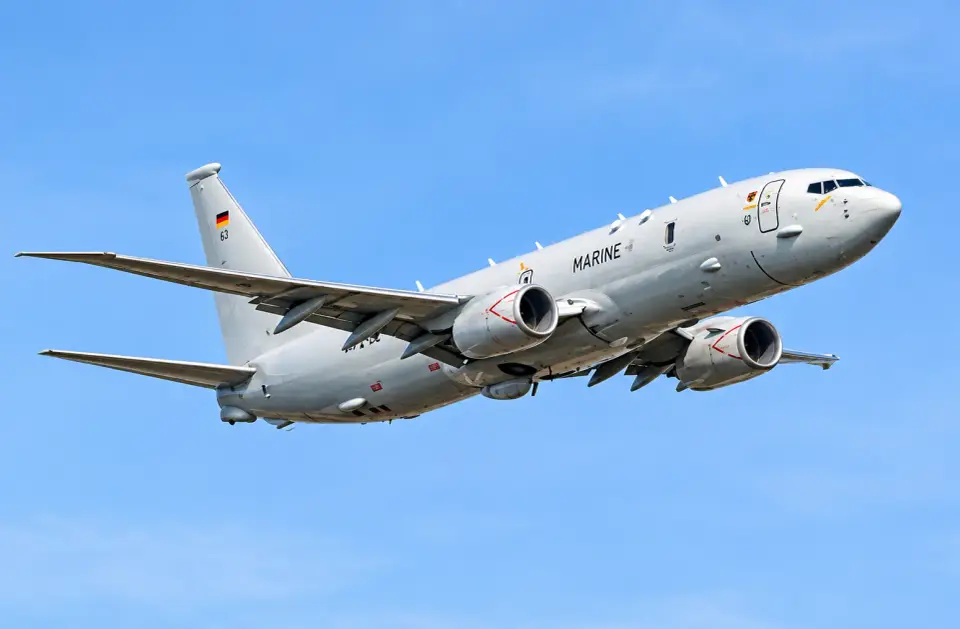
Israeli Navy Eyes Boeing P-8 Poseidon for Anti-Submarine Operations
26 Sept 2026
You may also like

Security
South Africa to Extradite Six Nigerians to US Over Alleged $6 Million Romance Scam
11 Sept 2026
Security
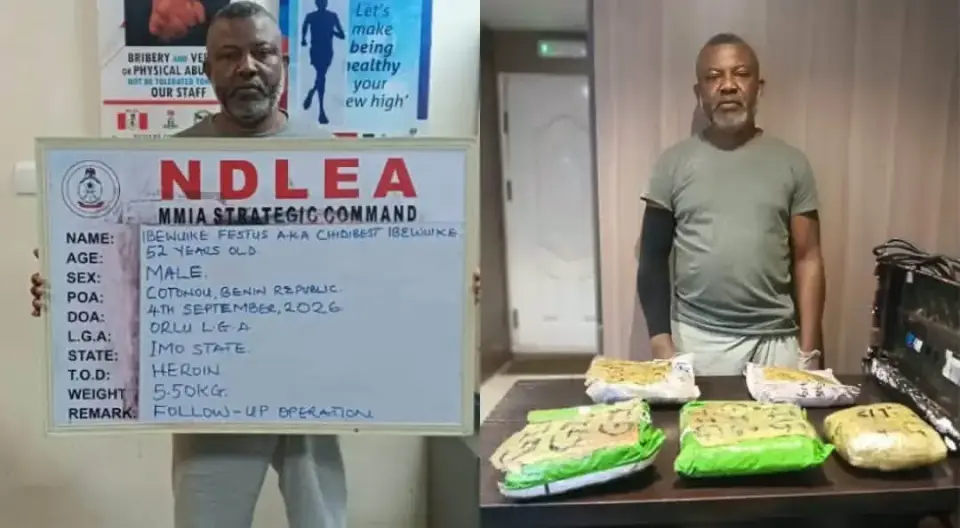
INTERPOL, NDLEA Nab Wanted Heroin Kingpin in Benin Republic
9 Sept 2026

Security
Nigerian Man Jailed 8 Years in UK for Targeting Elderly and Disabled Patients
1 Sept 2026
Security
US Navy Warship Goes Dark in South China Sea, Crew Endures Four Days Without AC
17 Aug 2026

Security
Fresh Benue Attack Leaves Four Dead, Highlighting Nigeria's Security Challenge
4 Aug 2026

Security
Kidnapped Kebbi High Court Judge Regains Freedom After Week-Long Ordeal
3 Aug 2026