
Hegseth Backs Livestream of Nidal Hasan’s Planned Firing Squad Execution
The US defence secretary says the public should be able to watch the execution of the Fort Hood shooter, triggering a fierce debate over justice, human rights and the public display of state punishment.
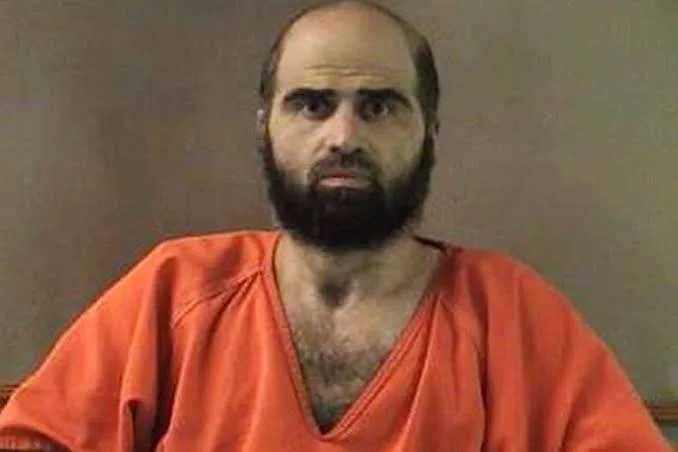
US Defence Secretary Pete Hegseth has backed plans to livestream the scheduled execution of former Army psychiatrist Nidal Malik Hasan, saying the public should be able to witness the punishment for the 2009 Fort Hood shooting that killed 13 people. The proposal has drawn criticism from human rights officials, religious leaders and lawmakers, while President Donald Trump has said he has not yet made a final decision on whether to allow the broadcast.
Hasan, a former US Army major, is scheduled to be executed by firing squad at Fort Hood, Texas, on December 3, 2026, following Trump’s approval of his death sentence and an execution directive issued by the acting secretary of the Army. In an interview with the conservative media outlet Real America’s Voice, Hegseth argued that making the execution public would demonstrate the consequences of such crimes. A Pentagon official subsequently confirmed that the department was planning a livestream, although the details of how it would be organized have not been fully disclosed.
The plan is unusual even by the standards of the US military justice system, where executions are tightly controlled and witnessed by a limited group of authorized people. If carried out as proposed, the livestream would represent an unprecedented modern US government broadcast of an execution. Public executions in the country ended decades ago, with the last widely recognised legally sanctioned public execution taking place in 1936. The planned firing squad would also be the first US military execution since 1961 and the first such military execution by firing squad since the Second World War.
The proposal has raised questions about whether the public display of an execution serves a legitimate purpose or risks turning state punishment into a spectacle. The United Nations human rights office has warned that livestreaming an execution would amount to a public execution and breach the international prohibition on torture and cruel, inhuman or degrading treatment. It said such a breach could also raise serious concerns about the legality of the punishment under international human rights law. These are the UN’s legal assessments; they do not, by themselves, determine how US courts would rule on any challenge.
Opposition has also emerged from within the US political establishment. Vice-President JD Vance expressed doubts about the proposed broadcast, while some Republican lawmakers joined Democrats and religious leaders in criticizing the idea. Concerns include the potential effect on victims’ families, the exposure of children to graphic material and the risk that footage could be circulated or exploited by extremist groups. The White House’s position remains significant because Trump has the authority to approve a military death sentence and has yet to settle the separate question of whether the execution should be streamed publicly.
Hasan was convicted by a military jury in 2013 of 13 counts of premeditated murder and 32 counts of attempted premeditated murder. The shooting took place on November 5, 2009, at the Soldier Readiness Processing Center at Fort Hood, where service members were preparing for deployment. The FBI recorded 13 deaths and 32 wounded, including a police officer. Hasan was himself wounded during the confrontation and was later sentenced to death. In March 2025, the US Supreme Court declined to review his court-martial conviction, although legal experts say further court proceedings could still affect the timetable for execution.
The case now involves two separate questions: whether the military will carry out the death sentence on the scheduled date, and whether the government will make the execution available for public viewing. The Army has set the date, but the broadcast remains unsettled, and the Pentagon has not released a complete explanation of how it would reconcile a livestream with existing restrictions on who may witness a military execution. Any legal challenge could further complicate the plans.
The controversy reaches beyond Hasan’s crimes or the debate over capital punishment. It raises a broader question about the limits of government transparency when punishment involves irreversible violence. Supporters of the proposal may view public access as a warning about the consequences of mass violence, while critics argue that broadcasting an execution risks undermining human dignity without establishing that it would deter future attacks. The final decision will test how the United States balances demands for accountability with its legal obligations and the question of whether justice requires the public to watch a person die.
More on Security

Security
Rivers Moves to Boost Protection of Oil and Public Infrastructure Through Army Partnership
2 Sept 2026

Security
Nigeria Police Issue Nationwide Terror Alert Over Churches, Schools and NYSC Camps
15 Sept 2026
Security
Nigeria's Arms Imports Surge 104% to ₦55 Billion Ahead of 2027
15 Sept 2026
Security
Rivers: Navy Dismantles Illegal Crude Storage Facility, Recovers 93,000 Litres
22 Aug 2026

Security
After Public Outcry, EFCC Drops Charges Against Maryam and Abubakar.
21 Aug 2026
You may also like

Security
Fresh Benue Attack Leaves Four Dead, Highlighting Nigeria's Security Challenge
4 Aug 2026

Security
Kidnapped Kebbi High Court Judge Regains Freedom After Week-Long Ordeal
3 Aug 2026
Security
UK Arrests British-Iranian Man Over Suspected RAF Fairford Terror Plot
1 Oct 2026
Security
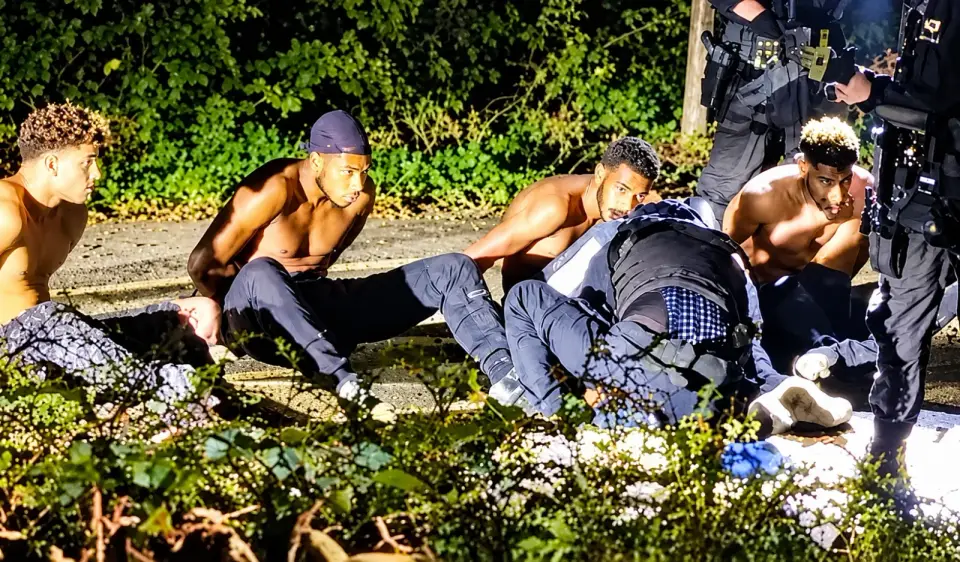
Five British Men Released on Bail After RAF Fairford Terror Arrests
29 Sept 2026
Security
RAF Base Terror Suspects Identified as British Nationals From London
28 Sept 2026
Security
Europe-Bound Groom Excretes 72 Cocaine Wraps at Enugu Airport
28 Sept 2026