
Nigeria's Arms Imports Surge 104% to ₦55 Billion Ahead of 2027
Nigeria's imported arms and ammunition rose by 104% to ₦55 billion, reflecting increased defence procurement as the country confronts persistent insecurity ahead of the 2027 elections.
Nigeria's spending on imported arms and ammunition has risen by 104% to ₦55 billion, reflecting a significant increase in defence procurement as the country grapples with persistent insecurity and prepares for the 2027 general elections. The latest trade figures point to one of the sharpest year-on-year increases in military imports in recent years.
The surge comes at a time when Nigerian security agencies are battling multiple threats, including terrorism in the North-East, armed banditry across the North-West, kidnapping for ransom and communal violence in several parts of the country. Analysts say these overlapping security challenges have intensified pressure on the government to strengthen military and law enforcement capabilities.
According to the reported import data from the National Bureau of Statistics (NBS) , the value of arms and ammunition purchased from overseas climbed from about ₦27 billion in the previous comparable period to ₦55 billion, underscoring a dramatic expansion in defence-related imports. While the figures capture imported military equipment rather than overall defence spending, they signal a broader effort to replenish and modernize security inventories.
The increase also coincides with heightened political activity ahead of the 2027 elections. Although there is no official indication that the additional imports are directly linked to the polls, security experts have long argued that election periods often require expanded operational readiness to protect voters, electoral infrastructure and critical national assets.
Government officials have consistently maintained that improving national security remains a top priority, with ongoing investments in military hardware, intelligence gathering and inter-agency coordination aimed at restoring stability across troubled regions. Defence procurement, however, continues to attract scrutiny from civil society groups, who have called for greater transparency and accountability in military spending.
Beyond the numbers, the rise in arms imports reflects the difficult balance Nigeria faces between responding to immediate security threats and ensuring responsible public expenditure. As the country moves closer to 2027, the effectiveness of these investments will ultimately be measured not by procurement figures, but by whether they deliver safer communities and lasting peace.
More on Security

Security
Nigeria Police Issue Nationwide Terror Alert Over Churches, Schools and NYSC Camps
15 Sept 2026
Security
US Delivers Military Equipment to Nigeria, Boosting Counterterrorism Fight
11 Sept 2026

Security
Hegseth Backs Livestream of Nidal Hasan’s Planned Firing Squad Execution
10 Oct 2026
Security
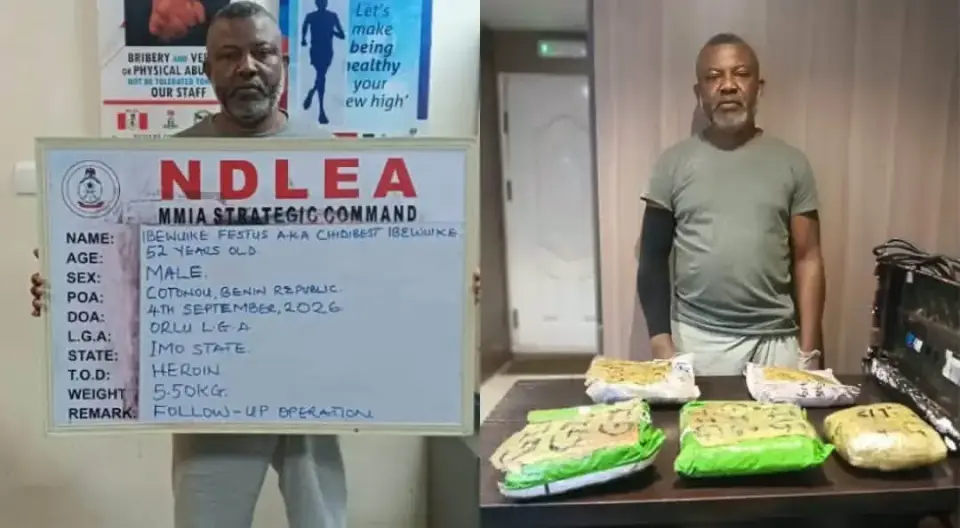
INTERPOL, NDLEA Nab Wanted Heroin Kingpin in Benin Republic
9 Sept 2026

Security
Fresh Benue Attack Leaves Four Dead, Highlighting Nigeria's Security Challenge
4 Aug 2026
You may also like
Security
UK Arrests British-Iranian Man Over Suspected RAF Fairford Terror Plot
1 Oct 2026

Security
Five British Men Released on Bail After RAF Fairford Terror Arrests
29 Sept 2026
Security
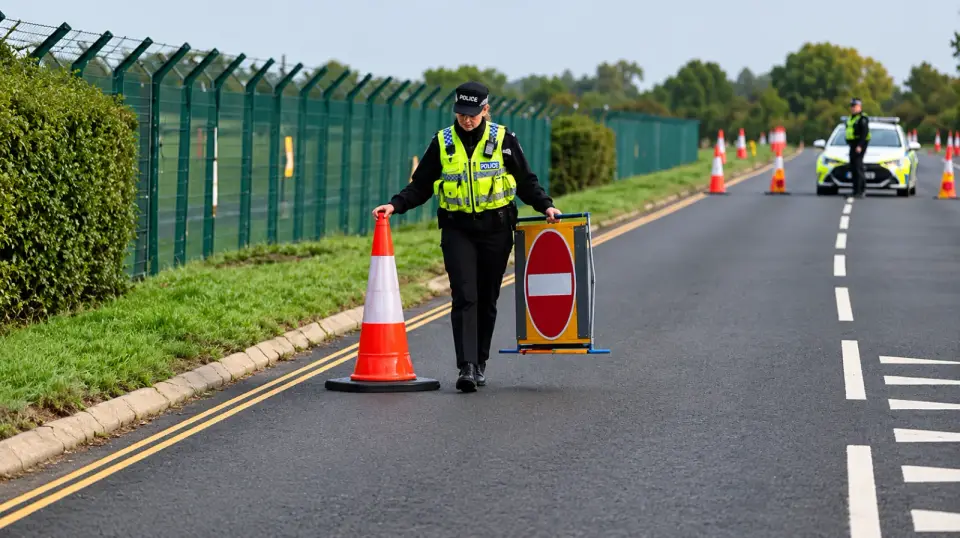
RAF Base Terror Suspects Identified as British Nationals From London
28 Sept 2026
Security
Europe-Bound Groom Excretes 72 Cocaine Wraps at Enugu Airport
28 Sept 2026
Security
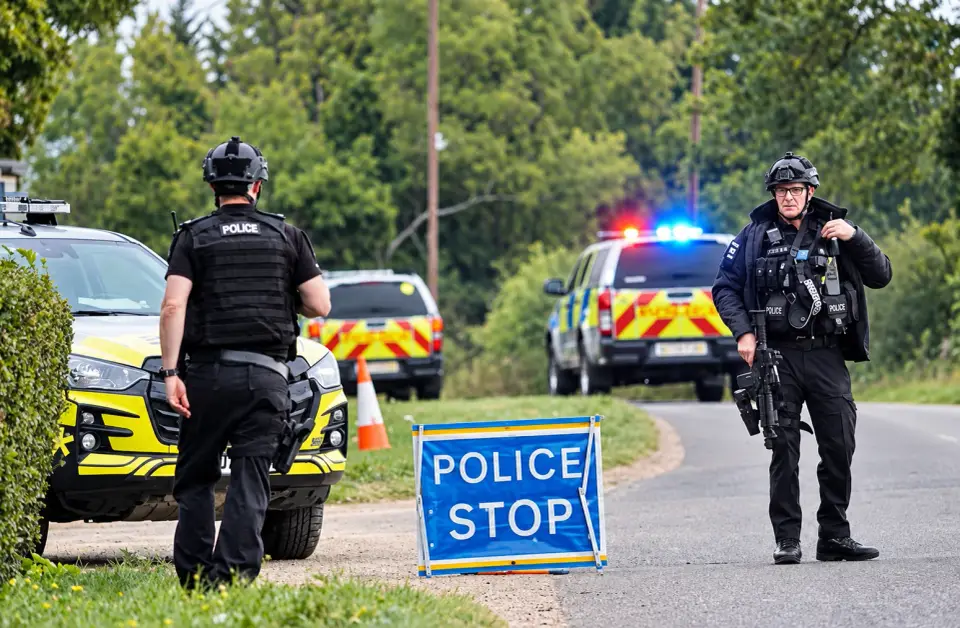
UK Police Arrest Five Men Near RAF Fairford in Terror Probe
28 Sept 2026
Security
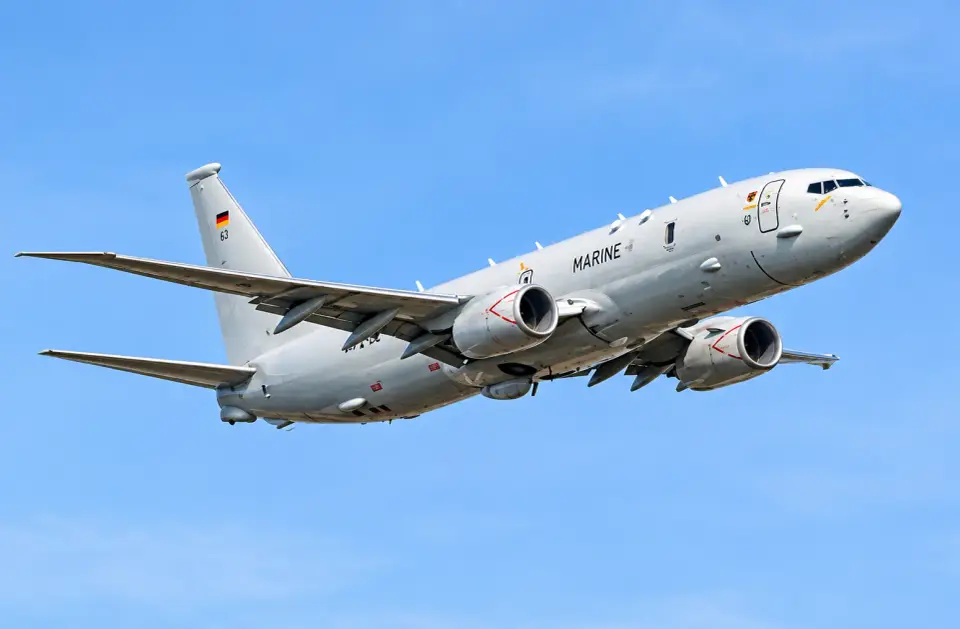
Israeli Navy Eyes Boeing P-8 Poseidon for Anti-Submarine Operations
26 Sept 2026