
Guinea-Bissau’s Embaló Plans Return From Exile, Eyes Presidency
Former Guinea-Bissau president Umaro Sissoco Embaló says he will return on October 4 and contest December’s presidential election, months after being removed in a military coup.
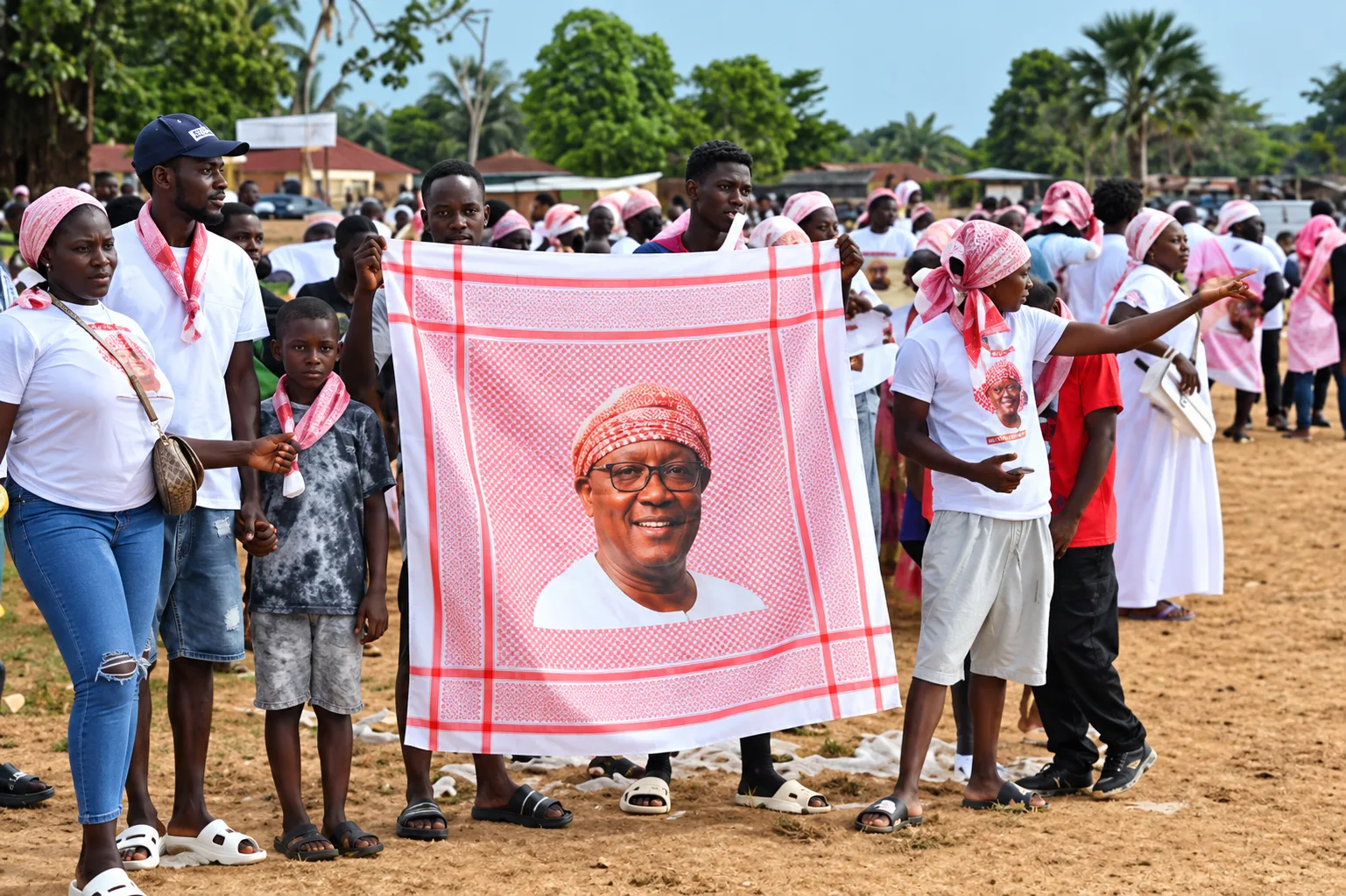
Former Guinea-Bissau President Umaro Sissoco Embaló is preparing to return home from exile and seek the presidency again, reopening a major political question in a country still under military-led transitional rule following last year’s disputed election and coup.
Embaló announced that he intends to return to Guinea-Bissau on October 4, nearly 11 months after soldiers removed him from office. In a separate interview reported by AFP, he confirmed that he intends to be a candidate in the presidential election scheduled for December 6.
The former president, who has been living outside Guinea-Bissau since his removal, framed his return as an appeal for national unity. In his announcement, he called for his arrival to take place peacefully and urged Guineans to put national interests and social stability above political differences.
His planned return comes at a particularly sensitive point in the country's transition. Guinea-Bissau held presidential and legislative elections on November 23, 2025, but the process was interrupted three days later when military officers seized power. The electoral commission subsequently said it could not complete the tabulation after armed men took electoral materials and results infrastructure. Embaló and opposition candidate Fernando Dias had both claimed victory before the takeover.
The military installed Major-General Horta Inta-a as transitional president and suspended the electoral process. In January, the transitional authorities announced that fresh presidential and legislative elections would be held on December 6, 2026, saying the conditions for a free and transparent vote had been restored. Reuters reported at the time that the new timetable was intended to restart an electoral process disrupted by the coup.
Embaló's return is possible because the transitional authorities have not publicly announced a ban preventing him from entering the country. General Horta N'Tam, when recently asked about the former president, said Guineans were free to return if they wished. The spokesperson for the National Transitional Council, Fernando Vaz, has also indicated that Embaló can return and seek office provided he satisfies the country's legal requirements.
That does not mean the former president's political path is uncontested. Guinea-Bissau remains deeply divided over the events surrounding the November coup. Some opposition figures and observers have alleged that the takeover was designed to halt an electoral process that Embaló appeared to be losing, while the military justified its intervention by saying it was responding to a destabilisation plot and seeking to prevent violence between rival political camps. Those competing accounts remain part of the country's unresolved political dispute.
The return also comes after significant institutional changes during the transition. In August, voters took part in a constitutional referendum that expanded presidential powers and reduced the number of parliamentary seats. The transitional authorities presented the changes as an attempt to address longstanding political instability, while opposition groups criticised the process and questioned the military government's authority to reshape the country's political system.
The regional dimension is equally important. ECOWAS condemned the November 2025 military takeover and called for the restoration of constitutional order and the political participation of all actors. The regional bloc's election observers had described the November 23 voting process as peaceful and orderly before the military intervention disrupted the results process.
For Embaló, the next stage is likely to involve rebuilding a political campaign after almost a year outside the country. His Madem G15 party is expected to hold a congress in October, while reports indicate that a broader political platform could be assembled around his candidacy ahead of the December vote. His eligibility, however, will ultimately depend on the applicable electoral rules and the authorities overseeing the transition.
The former president's return puts Guinea-Bissau's transition at another critical test. The country is attempting to move from a military takeover back toward elected civilian government while carrying unresolved disputes from the cancelled 2025 election, a contested constitutional reform and deep mistrust among political factions. Whether Embaló's return contributes to a more inclusive electoral process or becomes another source of confrontation will depend largely on how the transitional authorities, opposition groups and security institutions handle his participation in the December election. What happens in Guinea-Bissau will also be closely watched across West Africa, where the credibility of post-coup transitions has become an increasingly important test of regional democratic stability.
More on Africa
Africa
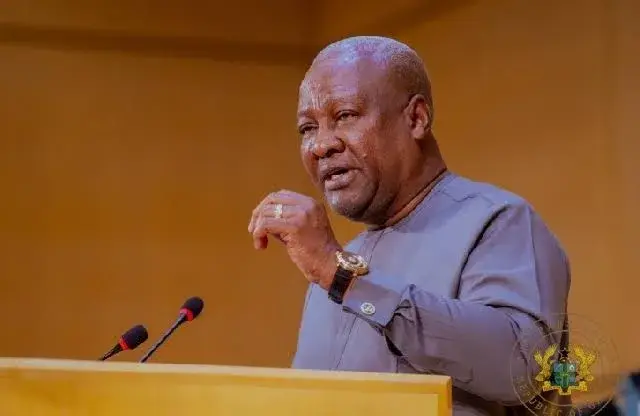
Mahama Challenges Global Financial System Over Africa’s Wealth Outflows
16 Oct 2026
Africa
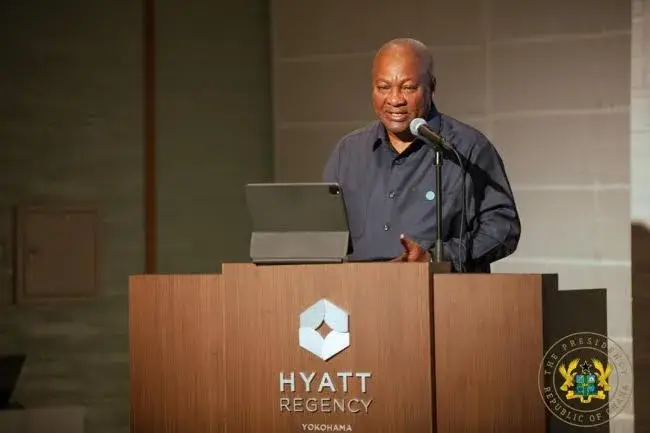
Mahama: Africa’s Youth Need Affordable Finance to Build Businesses
13 Oct 2026
Africa
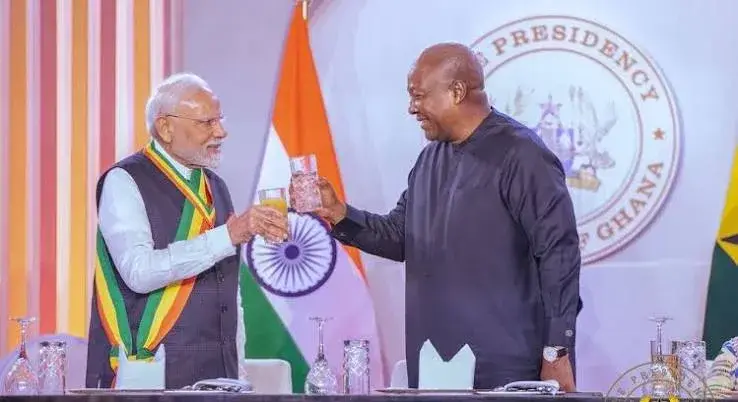
Ghana to Submit Formal Application to Join BRICS
8 Oct 2026
Africa
ECOWAS Swears In Five Judges as Faye Calls for Stronger Public Trust in Regional Justice
7 Oct 2026
Africa
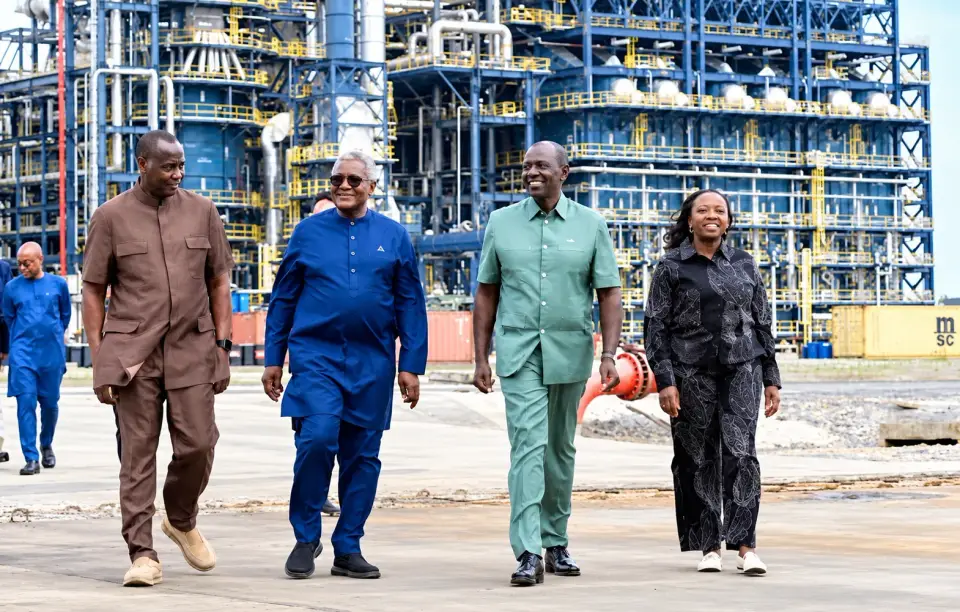
Kenya’s Ruto Tours Dangote Refinery Ahead of Lamu Refinery Launch
26 Sept 2026
Partner with Follow Global Trends
Display banners, sponsored stories and founder spotlights.
You may also like
Africa
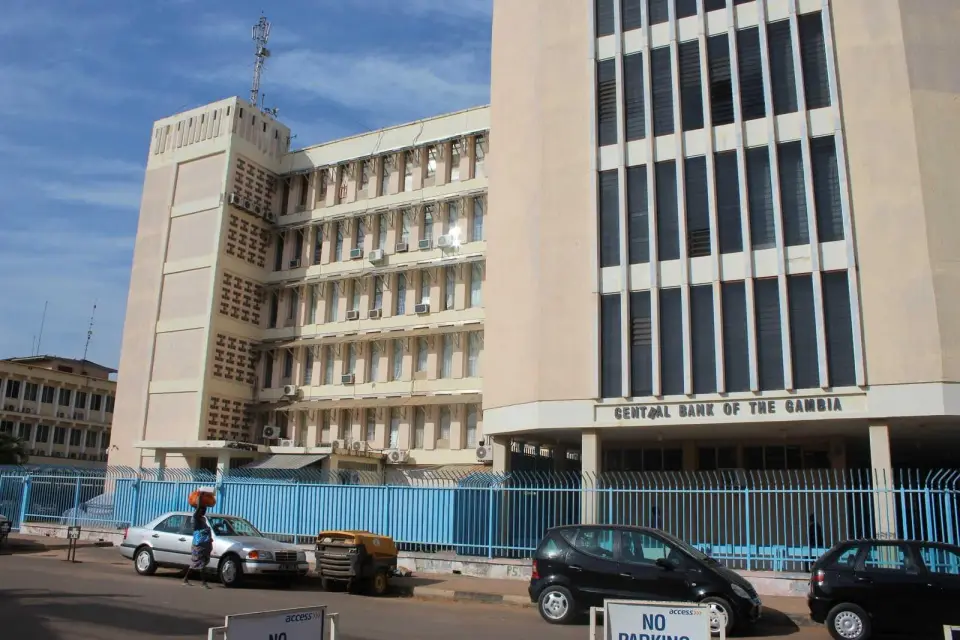
Gambia Orders Nigerian Banks to Replace Foreign Staff With Qualified Gambians
24 Sept 2026
Africa
After Immigration Panic, Kenya Offers 90 Days for Foreign Businesses to Comply
10 Sept 2026
Africa
Crackdown on Foreign Traders Triggers Panic in Kenya Following Ruto’s Order
8 Sept 2026
Africa
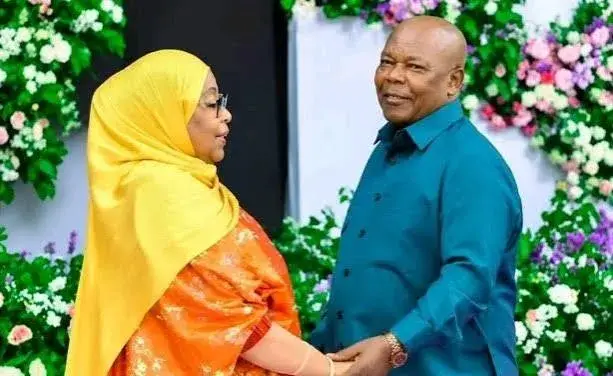
Tanzania Mourns Death of First Gentleman Hafidh Ameir Hassan
7 Sept 2026
Africa
Burkina Faso Reintroduces Death Penalty After Eight-Year Abolition
21 Oct 2026
Africa
South Africa Remains Africa’s Largest Economy at $489.1 Billion
18 Oct 2026