Gambia Orders Nigerian Banks to Replace Foreign Staff With Qualified Gambians
Commercial banks have until December 31, 2026, to localise roles held by non-Gambian employees outside approved expatriate arrangements.
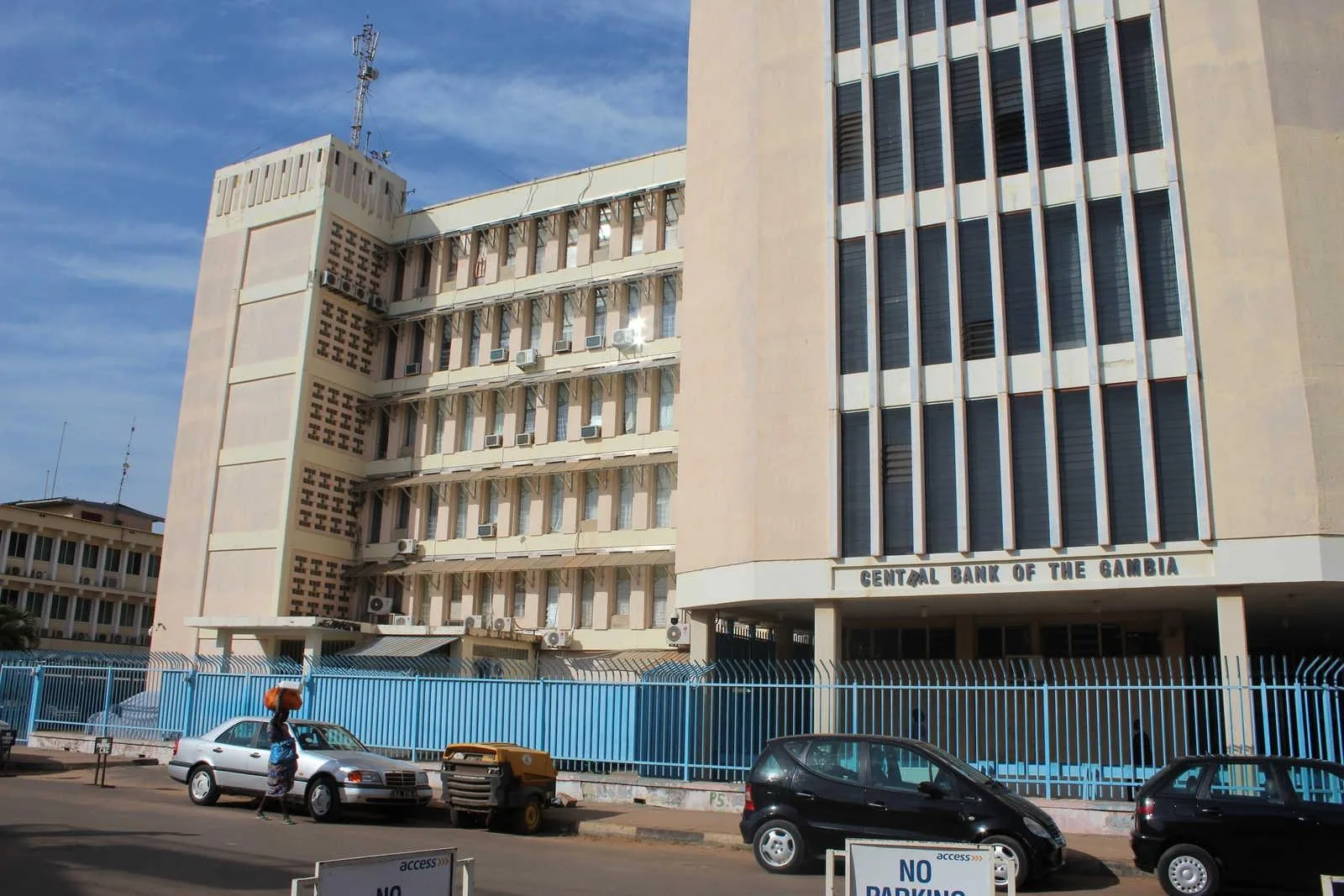
The Central Bank of The Gambia has directed commercial banks, including Nigerian-owned lenders operating in the country, to begin replacing non-Gambian employees with suitably qualified Gambian workers in positions not covered by recognized expatriate arrangements. The regulator gave banks until December 31, 2026, to complete the transition, saying the move is aimed at strengthening local employment while ensuring uninterrupted banking services.
The directive, contained in a September 16 circular issued by the central bank, applies to all commercial banks operating in The Gambia. Institutions affected include Access Bank, Guaranty Trust Bank (GTBank), FirstBank, Zenith Bank and Ecobank, although the policy is not targeted exclusively at Nigerian-owned banks.
According to the regulator, a recent review revealed a relatively high number of non-Gambian nationals occupying banking positions outside the country’s established expatriate framework. The central bank said the practice was inconsistent with the Labour Act 2023 and existing regulations governing the employment of foreign workers in the banking sector.
Rather than requiring an immediate dismissal of foreign employees, the circular instructs banks to implement a gradual localization process. Financial institutions are expected to identify affected roles, recruit qualified Gambian professionals and facilitate structured knowledge transfer from outgoing staff to local employees throughout the transition period.
The regulator emphasized that banking operations must continue without disruption while the workforce adjustments are being implemented. Banks are also expected to comply fully with the December deadline and align their staffing structures with national labour and immigration requirements.
The policy reflects a broader trend across several African countries seeking to increase local participation in key sectors by prioritizing domestic talent while preserving access to specialized expatriate expertise where necessary. Similar localization initiatives have been introduced in industries including banking, telecommunications, oil and gas, and mining as governments pursue higher employment for citizens and stronger skills development.
For Nigerian banks with regional footprints, the directive highlights the growing importance of balancing cross-border expansion with host-country labour laws. As the deadline approaches, the success of the transition will likely depend on effective training, succession planning and the availability of qualified Gambian professionals to fill the affected positions.
More on Africa
Africa
Business Forum 2026: Mauritius Pitches Itself as Africa’s Financial Bridge
13 Sept 2026

Africa
After Immigration Panic, Kenya Offers 90 Days for Foreign Businesses to Comply
10 Sept 2026
Africa
Crackdown on Foreign Traders Triggers Panic in Kenya Following Ruto’s Order
8 Sept 2026
Africa
South Africa Remains Africa’s Largest Economy at $489.1 Billion
18 Oct 2026

Africa
Mahama Challenges Global Financial System Over Africa’s Wealth Outflows
16 Oct 2026
Partner with Follow Global Trends
Display banners, sponsored stories and founder spotlights.
You may also like
Africa
South Africa Reverses Asylum Policy After Vehicles Burned and Foreign-Owned Shops Looted
10 Oct 2026

Africa
Ghana to Submit Formal Application to Join BRICS
8 Oct 2026

Africa
Guinea-Bissau’s Embaló Plans Return From Exile, Eyes Presidency
29 Sept 2026

Africa
Nigeria–South Africa Tensions Rise as Fani-Kayode Issues Strong Warning
13 Sept 2026
Africa
Immigration Tensions Rise as South African Activists Issue September Ultimatum
11 Sept 2026
Africa
Burkina Faso Reintroduces Death Penalty After Eight-Year Abolition
21 Oct 2026