Crackdown on Foreign Traders Triggers Panic in Kenya Following Ruto’s Order
President William Ruto’s order targeting foreign traders has sparked panic across Kenya, with hundreds rushing to embassies and authorities scrambling to reassure migrants that the crackdown is not a blanket expulsion.
A government crackdown on foreign nationals operating small businesses has triggered widespread anxiety across Kenya, as hundreds of traders sought emergency travel documents and many shut their shops following President William Ruto’s directive to remove foreigners from certain low-capital trading activities.
The directive was issued after Ruto met representatives of Kenya’s micro, small and medium-sized enterprise sector, where he argued that hawking and small retail businesses should be reserved for Kenyan citizens. He instructed trade authorities to begin enforcement while Parliament considers legislation aimed at restricting foreigners from engaging in selected small-scale commercial activities.
The announcement quickly spread fear among migrant communities, particularly Burundian traders living in Nairobi. Long queues formed outside the Embassy of Burundi as people applied for passports, travel documents or sought assistance to regularise their immigration status. Others reportedly closed their businesses or stayed away from markets amid fears of arrest or forced removal.
Faced with growing confusion, the Kenyan government moved to calm tensions. Foreign Affairs Principal Secretary Korir Sing’Oei said the President’s remarks should not be interpreted as an order for all foreigners to leave Kenya, stressing that individuals with valid work permits, business licences and legal immigration status remain protected under Kenyan law.
Trade Cabinet Secretary Lee Kinyanjui also clarified that Kenya remains open to legitimate foreign investors, but warned that visa-free entry into the country does not automatically grant the right to work or operate a business. He said enforcement would focus on compliance with immigration and licensing laws while respecting Kenya’s obligations under the East African Community framework.
The policy has drawn criticism from opposition figures and rights advocates, who argue that the government’s messaging has fuelled unnecessary panic and risks encouraging xenophobia. Critics say the challenge of protecting local businesses should be addressed through clear regulation rather than rhetoric that leaves migrant communities uncertain about their future.
Ruto has defended the move as an economic protection measure, insisting that Kenya welcomes foreign investment in industries that create jobs and expand production, but should not allow foreigners to compete directly with citizens in informal retail and hawking. The proposed Local Content Bill is expected to provide the legal framework for the restrictions if passed by Parliament.
The unfolding situation highlights the delicate balance between protecting domestic livelihoods and preserving Kenya’s reputation as one of East Africa’s most open commercial hubs. As enforcement begins, the government’s ability to distinguish lawful regulation from discrimination may determine not only the policy’s success but also its regional diplomatic consequences.
More on Africa
Africa
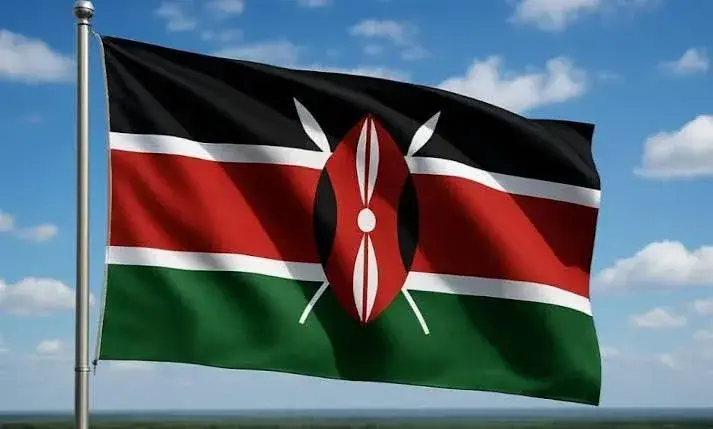
After Immigration Panic, Kenya Offers 90 Days for Foreign Businesses to Comply
10 Sept 2026

Africa
Kenya’s Ruto Tours Dangote Refinery Ahead of Lamu Refinery Launch
26 Sept 2026
Africa
Mahama Challenges Global Financial System Over Africa’s Wealth Outflows
16 Oct 2026
Africa
South Africa Reverses Asylum Policy After Vehicles Burned and Foreign-Owned Shops Looted
10 Oct 2026
Africa
Mahama: Africa’s Youth Need Affordable Finance to Build Businesses
13 Oct 2026
Partner with Follow Global Trends
Display banners, sponsored stories and founder spotlights.
You may also like
Africa
ECOWAS Swears In Five Judges as Faye Calls for Stronger Public Trust in Regional Justice
7 Oct 2026

Africa
Guinea-Bissau’s Embaló Plans Return From Exile, Eyes Presidency
29 Sept 2026
Africa
Gambia Orders Nigerian Banks to Replace Foreign Staff With Qualified Gambians
24 Sept 2026

Africa
Afreximbank, ATDC Sign $500 Million Facility to Boost African Commodity Trade
23 Sept 2026
Africa
US Imposes Targeted Visa Restrictions on South Africans Over Land and Race Policies
16 Sept 2026

Africa
King Oyo Buried as Tooro Kingdom Faces Succession Dispute
14 Sept 2026