
Kenya Orders Foreigners to Shut Small Shops and Hawking Businesses From September 7
Kenya will begin enforcing a nationwide ban on foreigners operating small retail businesses and hawking from September 7 under a directive issued by President William Ruto.
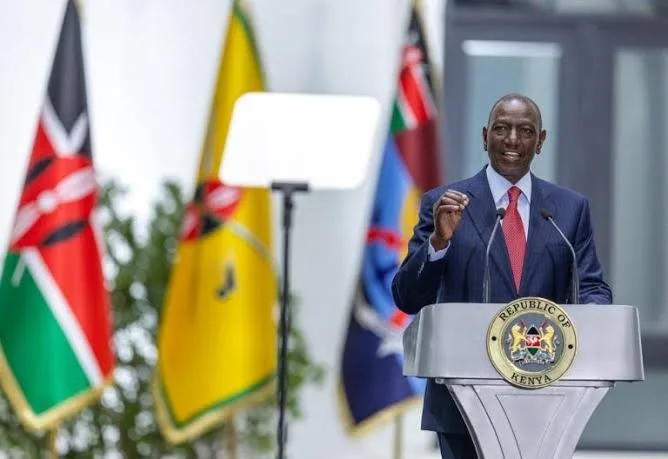
Kenyan President William Ruto has ordered foreigners engaged in small-scale retail trade, street hawking and other informal businesses to cease operations from September 7, in one of the country’s most significant policy shifts aimed at protecting local traders and restructuring the informal economy.
The directive, announced by the government this week, targets non-citizens operating neighbourhood kiosks, market stalls, roadside vending businesses and other enterprises reserved for Kenyan nationals. Officials say the move is intended to enforce existing trade regulations that limit certain categories of micro and small businesses to citizens, while encouraging foreign investors to focus on larger sectors such as manufacturing, technology and industrial development.
Speaking at State House on Wednesday, September 2, during a meeting with Micro, Small and Medium Enterprise (MSME) traders, President William Ruto said foreigners should not be allowed to take up business opportunities meant for Kenyan small-scale traders. He instructed relevant government agencies to begin shutting down businesses operated by foreigners in sectors such as hawking and small retail trade, declaring that the crackdown would begin next week. “From next week, all traders doing those small businesses should close them,” Ruto said. He emphasized that Kenya welcomes foreign investment but insisted that opportunities meant for ordinary Kenyan entrepreneurs should remain in the hands of local citizens. Government officials have framed the decision as an economic empowerment measure rather than a blanket restriction on foreign-owned businesses, stressing that legally registered companies operating in sectors open to international investment will not be affected.
The policy has already generated mixed reactions across the country. Many local traders’ associations have welcomed the directive, arguing that increased competition from foreign-owned small shops has squeezed profit margins and reduced opportunities for Kenyan youth seeking to enter business. Others, however, have raised concerns about implementation, warning that authorities must distinguish between undocumented informal traders and foreigners who operate within the law under existing business permits.
Kenya’s informal sector accounts for the vast majority of employment, making access to small-scale commerce a politically sensitive issue. Successive governments have pledged to expand opportunities for local entrepreneurs, particularly as rising living costs and unemployment continue to pressure households and small businesses. Analysts say the latest directive reflects growing political attention on protecting domestic enterprise while balancing the country’s need for foreign capital and regional trade integration.
Regional observers are also watching closely because Kenya is a major commercial hub within the East African Community, home to thousands of migrant workers and cross-border entrepreneurs. Any changes affecting foreign participation in local commerce could have implications for labour mobility, investment confidence and economic relations with neighbouring countries.
As the September 7 deadline approaches, attention is shifting from the announcement itself to its enforcement. How Kenya implements the directive, while balancing economic nationalism, legal protections and regional integration, will likely determine whether the policy strengthens local enterprise or creates new tensions within one of Africa’s most dynamic economies.
More on Africa
Africa
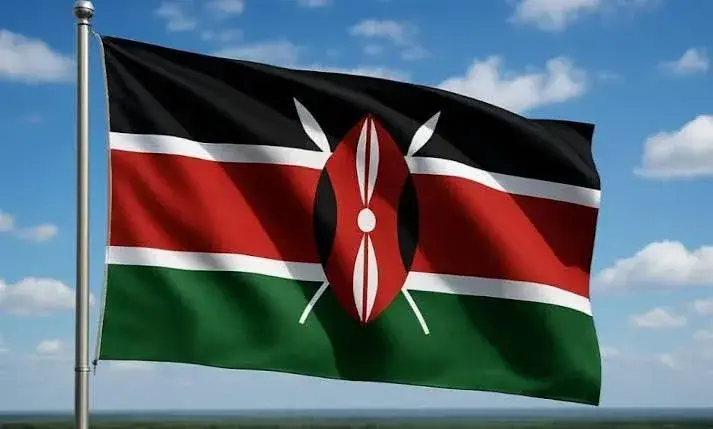
After Immigration Panic, Kenya Offers 90 Days for Foreign Businesses to Comply
10 Sept 2026
Africa
Crackdown on Foreign Traders Triggers Panic in Kenya Following Ruto’s Order
8 Sept 2026

Africa
Former Sierra Leone President Koroma Returns Home Under Nigerian Escort
6 Sept 2026
Africa
Immigration Tensions Rise as South African Activists Issue September Ultimatum
11 Sept 2026
Africa
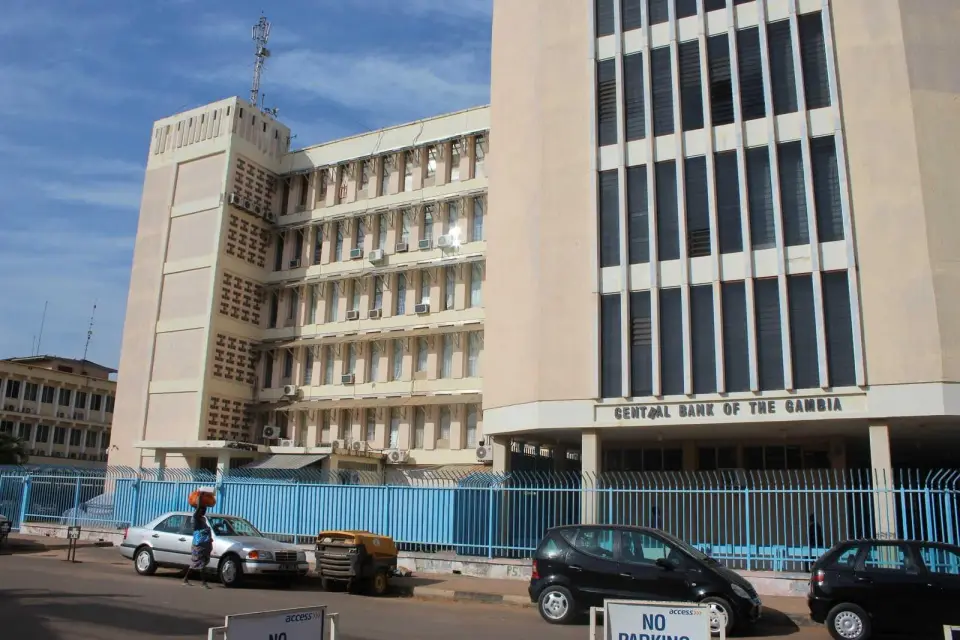
Gambia Orders Nigerian Banks to Replace Foreign Staff With Qualified Gambians
24 Sept 2026
You may also like

Africa
Tanzania Mourns Death of First Gentleman Hafidh Ameir Hassan
7 Sept 2026
Africa
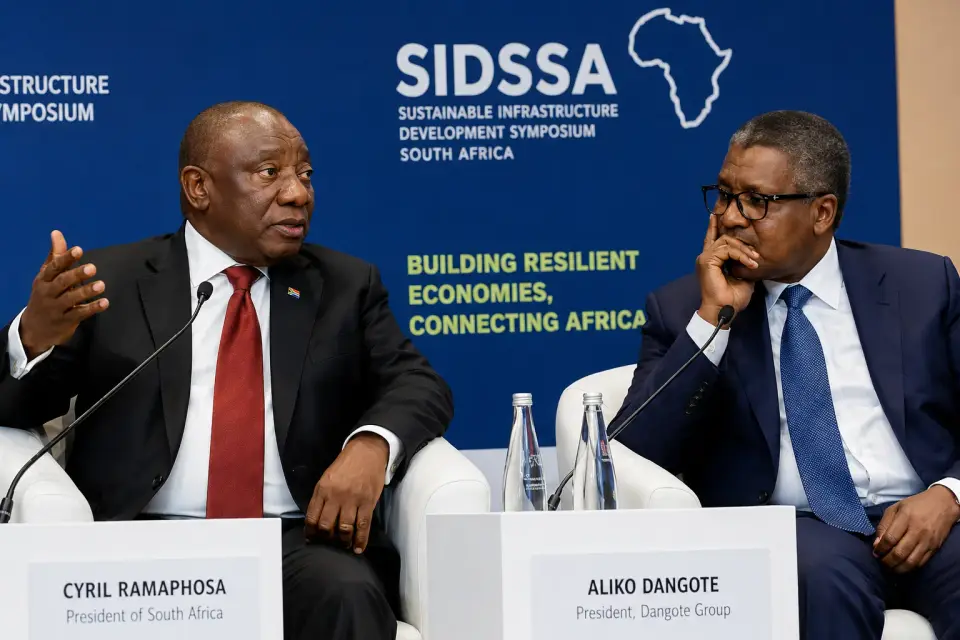
Africa's Financing Debate Heats up as Dangote Disputes Ramaphosa's Banking Claim
3 Sept 2026
Africa
Zambia’s Hichilema Sworn In for Second Term Amid Calls to Heal Divisions
1 Sept 2026
Africa
Tigray Declares “Defensive War” as Fighting Escalates in Ethiopia
24 Sept 2026

Africa
Afreximbank, ATDC Sign $500 Million Facility to Boost African Commodity Trade
23 Sept 2026
Africa
Sadio Mané Launches $20 Million Mango Agro-Processing Project in Senegal
22 Sept 2026