
After Immigration Panic, Kenya Offers 90 Days for Foreign Businesses to Comply
Kenya has given foreign workers and business operators 90 days to regularise their immigration and licensing status, seeking to calm growing fears after President William Ruto’s remarks triggered anxiety among immigrant communities.
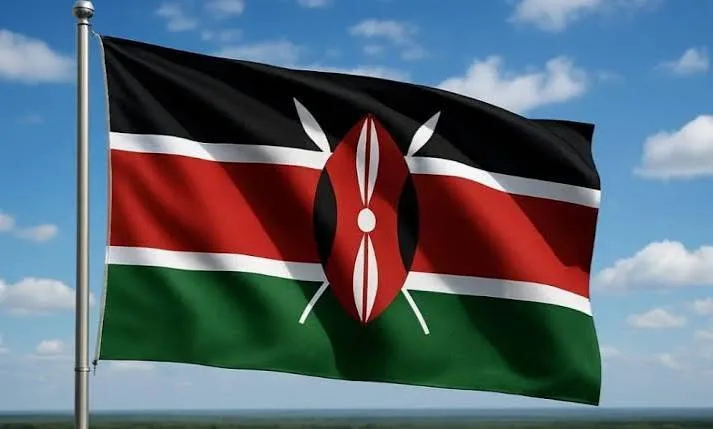
NAIROBI, Kenya - The Kenyan government has announced a 90-day regularization window for foreign workers and business operators to obtain or update their work permits, immigration documents and business licences, as authorities move to ease tensions sparked by recent comments from President William Ruto on foreign-owned businesses.
The amnesty allows undocumented foreigners to formalize their legal status before enforcement begins, with the government insisting that the exercise is intended to strengthen compliance with immigration and business regulations rather than target or expel foreign nationals.
The announcement follows days of uncertainty after President Ruto directed authorities to address complaints from Kenyan traders who argued that foreigners were unfairly dominating small-scale businesses reserved for locals. His remarks triggered widespread concern among immigrant communities, particularly Burundians and Congolese living in Nairobi, many of whom feared an imminent crackdown.
Hundreds of Burundian nationals reportedly gathered outside their embassy in Nairobi seeking travel documents, with some saying they planned to return home because they no longer felt safe. Others described experiencing threats and harassment despite possessing valid business licences or legal residence documents.
Responding to the growing panic, presidential spokesperson Hussein Mohamed said the regularization exercise would be conducted in partnership with foreign embassies and regional authorities. He stressed that every person conducting business in Kenya is required to comply with applicable immigration, work permit and licensing laws, while warning that xenophobia, intimidation and violence against foreigners would not be tolerated.
Kenya’s Foreign Ministry has also sought to reassure affected communities. Permanent Secretary Korir Sing’oei visited Burundian nationals at their embassy, telling them the government’s objective was to identify residents and businesses for legal and security purposes rather than persecute immigrants. He apologized for what he described as misunderstandings surrounding the president’s earlier directive.
The policy is particularly significant within the East African Community (EAC), whose common market framework promotes the free movement of labour, goods and services among member states. Kenya has previously introduced measures to make it easier for East African citizens to live and work in the country, although immigration and work permit requirements still apply in several regulated sectors.
Immigration analysts say the success of the 90-day programme will depend on transparent implementation. While governments have a legitimate responsibility to regulate employment and business activity, they note that enforcement must be balanced with regional integration commitments and the protection of legally resident foreign workers who contribute to Kenya’s economy.
For Kenya, the challenge extends beyond documentation. The regularization exercise has become an early test of how the government manages economic pressures, public concern over local jobs and its reputation as one of East Africa’s most open commercial destinations. How authorities balance enforcement with inclusivity is likely to shape both regional confidence and Kenya’s standing within the East African Community.
More on Africa
Africa
Crackdown on Foreign Traders Triggers Panic in Kenya Following Ruto’s Order
8 Sept 2026

Africa
Kenya’s Ruto Tours Dangote Refinery Ahead of Lamu Refinery Launch
26 Sept 2026

Africa
Mahama: Africa’s Youth Need Affordable Finance to Build Businesses
13 Oct 2026
Africa
Business Forum 2026: Mauritius Pitches Itself as Africa’s Financial Bridge
13 Sept 2026
Africa
Immigration Tensions Rise as South African Activists Issue September Ultimatum
11 Sept 2026
Partner with Follow Global Trends
Display banners, sponsored stories and founder spotlights.
You may also like
Africa
Mahama Challenges Global Financial System Over Africa’s Wealth Outflows
16 Oct 2026
Africa
South Africa Reverses Asylum Policy After Vehicles Burned and Foreign-Owned Shops Looted
10 Oct 2026
Africa
ECOWAS Swears In Five Judges as Faye Calls for Stronger Public Trust in Regional Justice
7 Oct 2026

Africa
Ethiopia, Eritrea Break Diplomatic Ties as Tigray Fighting Escalates
2 Oct 2026
Africa
Zimbabwe Tycoon Wicknell Chivayo and Wife Killed in Helicopter Crash
1 Oct 2026

Africa
Guinea-Bissau’s Embaló Plans Return From Exile, Eyes Presidency
29 Sept 2026