
Zambia’s Hichilema Sworn In for Second Term Amid Calls to Heal Divisions
The re-elected president begins a new five-year mandate as Zambia seeks economic growth while facing scrutiny over its disputed election.
Zambian President Hakainde Hichilema has been sworn in for a second five-year term, promising to unite the nation and build on the economic recovery that defined much of his first administration. The inauguration, held on Tuesday at National Heroes Stadium in Lusaka, drew thousands of supporters as well as several African heads of state and international dignitaries.
Hichilema took the oath of office just weeks after securing re-election with about 60 percent of the vote, defeating opposition candidate Brian Mundubile, who won roughly 38 percent according to official results announced by Zambia’s Electoral Commission. The victory extended the presidency of the 64-year-old businessman, who first came to power in 2021 on promises of democratic reform and economic renewal.
In his inaugural address, Hichilema struck a conciliatory tone, acknowledging both those who voted for him and those who backed the opposition. He said his government would serve every Zambian regardless of political affiliation, describing the election as a reminder of the responsibility entrusted to his administration.
Yet the ceremony unfolded under the shadow of one of Zambia’s most contentious elections in recent history. International and domestic observers reported irregularities during and after the August 13 vote, including disruptions to vote counting, allegations of discrepancies in tallying and concerns over the deployment of security forces around polling and counting centres. While observers generally concluded that Hichilema would likely have won the election regardless, they urged authorities to address the reported shortcomings to preserve public confidence in the democratic process.
The political tension has been heightened by the detention of Mundubile and his running mate, Makebi Zulu, who are facing treason charges following the election. The opposition insists the charges are politically motivated and continues to reject the election outcome, while authorities maintain that the legal process should be allowed to run its course. The allegations remain before the courts and have not been proven.
Beyond politics, Hichilema now begins his second term with significant economic expectations. His first administration earned praise for stabilizing Zambia’s finances after the country’s debt crisis, restoring investor confidence and attracting billions of dollars in mining investment, particularly in the copper sector. However, many households continue to grapple with high living costs, unemployment and the uneven pace at which macroeconomic gains have translated into everyday improvements.
Zambia’s strategic importance has also grown internationally as global demand for copper and other critical minerals intensifies. Both the United States and China have deepened engagement with Lusaka in recent years, making the country an increasingly important player in Africa’s energy transition and mineral supply chains.
Hichilema’s second inauguration marks more than the continuation of a presidency, it represents a defining test of Zambia’s democratic resilience. The challenge ahead will be balancing economic ambition with political inclusivity, ensuring that promises of national unity are matched by institutions capable of rebuilding trust after a deeply polarizing election.
More on Africa
Africa
Zambia Opposition Leader Mundubile Taken Into Custody Over Alleged Treason
28 Aug 2026
Africa
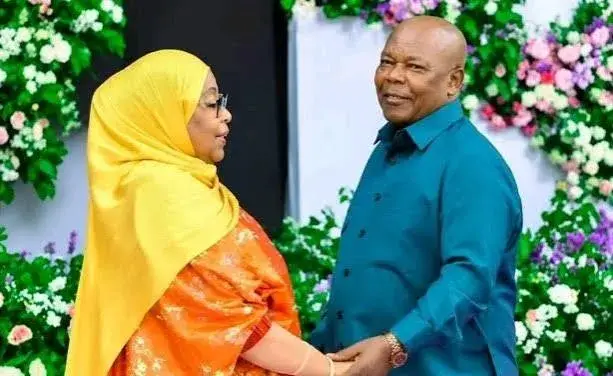
Tanzania Mourns Death of First Gentleman Hafidh Ameir Hassan
7 Sept 2026
Africa
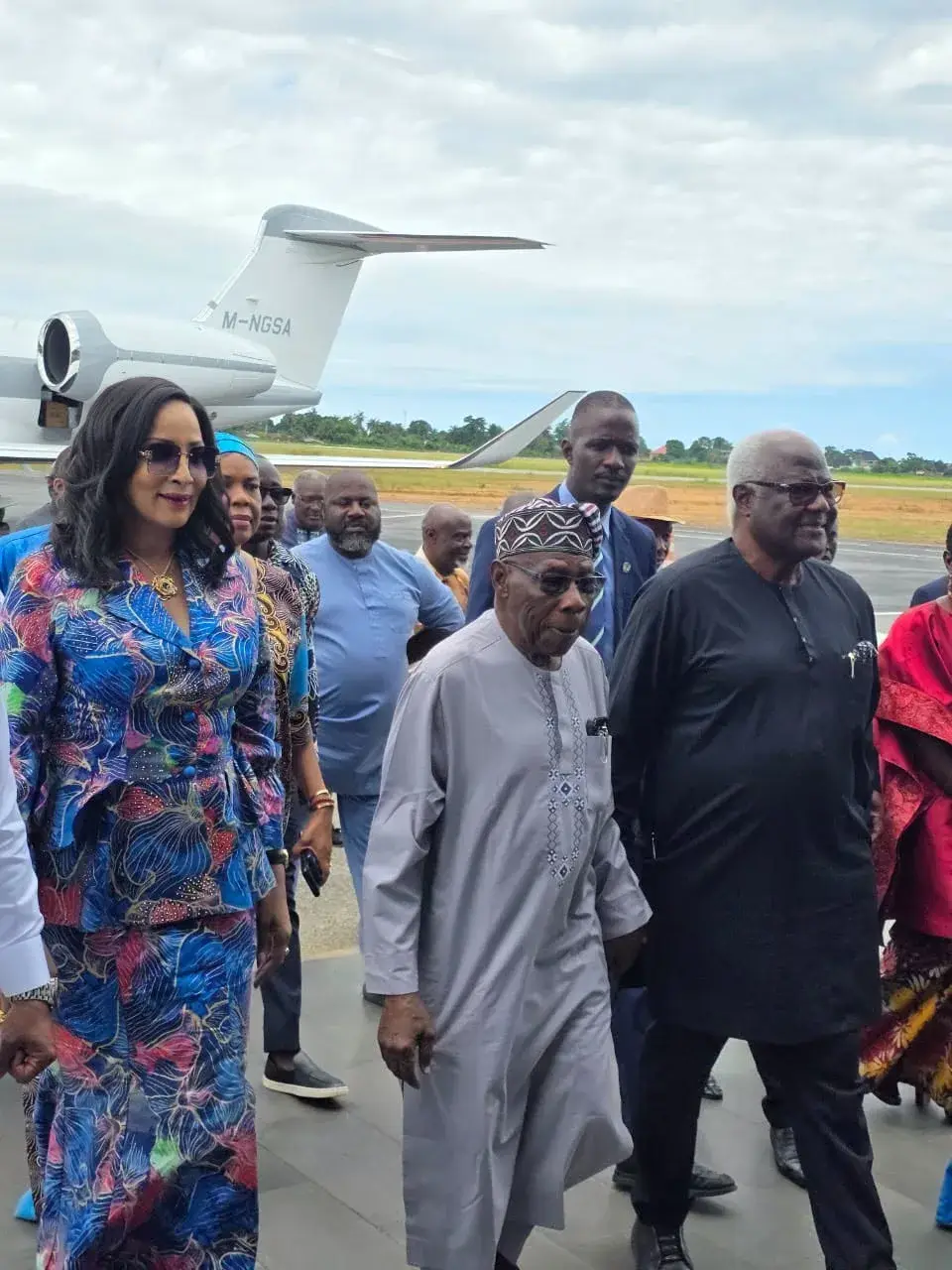
Former Sierra Leone President Koroma Returns Home Under Nigerian Escort
6 Sept 2026
Africa
ECOWAS Court Marks 25 Years, Calls for Reforms to Strengthen Justice Delivery
22 Sept 2026

Africa
King Oyo Buried as Tooro Kingdom Faces Succession Dispute
14 Sept 2026
You may also like

Africa
After Immigration Panic, Kenya Offers 90 Days for Foreign Businesses to Comply
10 Sept 2026
Africa
Crackdown on Foreign Traders Triggers Panic in Kenya Following Ruto’s Order
8 Sept 2026
Africa
Xenophobia: 1,695 Nigerians Evacuated from South Africa, Says Ambassador Ajayi Alexander
5 Sept 2026
Africa
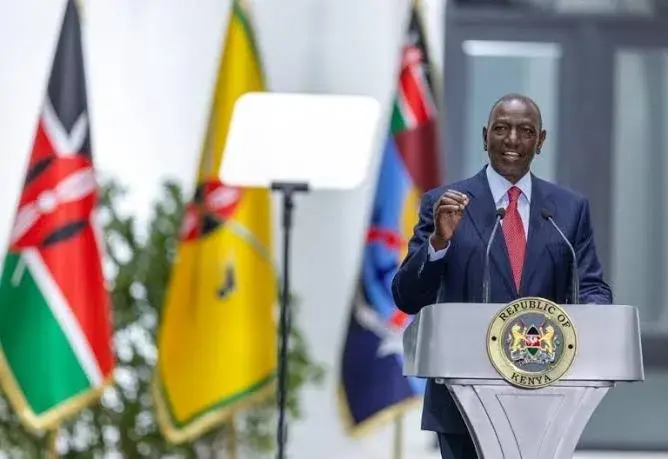
Kenya Orders Foreigners to Shut Small Shops and Hawking Businesses From September 7
3 Sept 2026
Africa
Africa's Financing Debate Heats up as Dangote Disputes Ramaphosa's Banking Claim
3 Sept 2026
Africa
Nigeria Escalates South Africa Xenophobia Row to AU, Seeks Collective Action
31 Aug 2026