
Zambia Opposition Leader Mundubile Taken Into Custody Over Alleged Treason
Zambia’s main opposition leader Brian Mundubile has been taken into police custody over an alleged treason offence, deepening tensions after a disputed presidential election.
Zambia’s main opposition leader, Brian Mundubile, has been taken into police custody after surrendering for questioning over an alleged treason offence, escalating an already tense political standoff following the country’s disputed presidential election.
Mundubile, who finished second in the August 13 election, surrendered to police in Lusaka on Thursday alongside his running mate, Makebi Zulu. The Zambia Police Service said both men were interviewed by investigators and had recorded “warn and caution” statements in connection with an alleged violation of Section 43(1) of the country’s Penal Code. Police did not disclose the specific conduct they believe amounts to treason.
The two politicians had spent about two weeks seeking protection at a United Nations facility in Lusaka after Mundubile's home was raided by security forces shortly after the election. The pair eventually surrendered after discussions involving the United Nations and the Zambian government, with the UN saying the government had assured that those taken into custody would receive due process.
The case is unfolding against the backdrop of a deeply contested election. Electoral authorities declared President Hakainde Hichilema the winner with 2,965,326 votes, or about 60.5%, while Mundubile received 1,856,217 votes, roughly 37.9%. Hichilema has rejected allegations of electoral fraud, while Mundubile has alleged irregularities in the counting, transmission and declaration of results.
Mundubile had planned to challenge the result in Zambia’s Constitutional Court. That legal route became increasingly contentious when the country's courts were suddenly closed on August 24 — the final day for filing a presidential election petition. Human Rights Watch said the closure effectively prevented the opposition from exercising its constitutional right to challenge the election result. The judiciary cited security concerns for the closure.
The opposition leader's detention is also connected to a violent security operation that took place at his Lusaka residence on August 14. Authorities arrested 11 people during the operation and said those detained were connected to an alleged militia or insurrection plot. Security officials also said weapons and military equipment were recovered.
Mundubile has denied that he or his associates were planning an armed uprising. The circumstances surrounding the operation were further complicated by the death of Mutotwe Kafwaya, a former cabinet minister and opposition figure, who was fatally shot during the raid. Authorities have described the incident in the context of the security operation, while Amnesty International has called for an independent investigation into Kafwaya's death.
The arrests and subsequent treason investigation have intensified concerns among rights groups about the political environment under Hichilema. Amnesty International has previously urged the Zambian authorities to end what it described as a post-election crackdown, while Human Rights Watch has criticised the closure of the courts as a serious blow to access to justice.
For the government, however, the treason investigation is a matter of national security rather than political disagreement. Police have not publicly linked the allegations directly to Mundubile's challenge of the election result, and no court has yet determined that he committed treason. The distinction is important: at this stage, he is being investigated over an alleged offence, rather than having been convicted of one.
The timing nevertheless makes the case politically significant. Hichilema is preparing to begin a second five-year term after what authorities described as a decisive electoral victory, while the principal opposition figure is now in police custody and unable to freely contest the allegations surrounding him. Zambia has long been regarded as one of southern Africa's more stable electoral democracies, making the developments particularly sensitive.
What happens next will test more than the fate of one opposition politician. The authorities will face pressure to demonstrate that the treason investigation is handled transparently and according to law, while the opposition will have to decide how to pursue its electoral grievances outside a court process it says was effectively blocked. For Zambia, the broader issue is whether the country can emerge from this election with its reputation for peaceful political transitions intact, or whether the post-election crackdown will mark a more consequential shift in the country's democratic trajectory.
More on Africa
Africa
Zambia’s Hichilema Sworn In for Second Term Amid Calls to Heal Divisions
1 Sept 2026
Africa
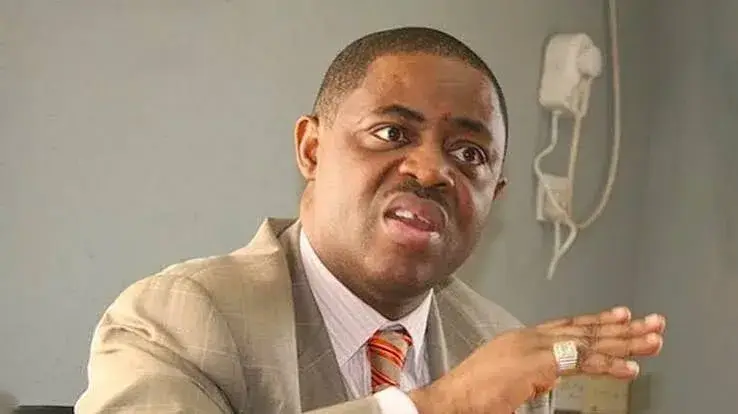
Nigeria–South Africa Tensions Rise as Fani-Kayode Issues Strong Warning
13 Sept 2026

Africa
Multi-Car Crash Kills 21 in South Africa’s Western Cape
14 Sept 2026
Africa
Immigration Tensions Rise as South African Activists Issue September Ultimatum
11 Sept 2026
Africa
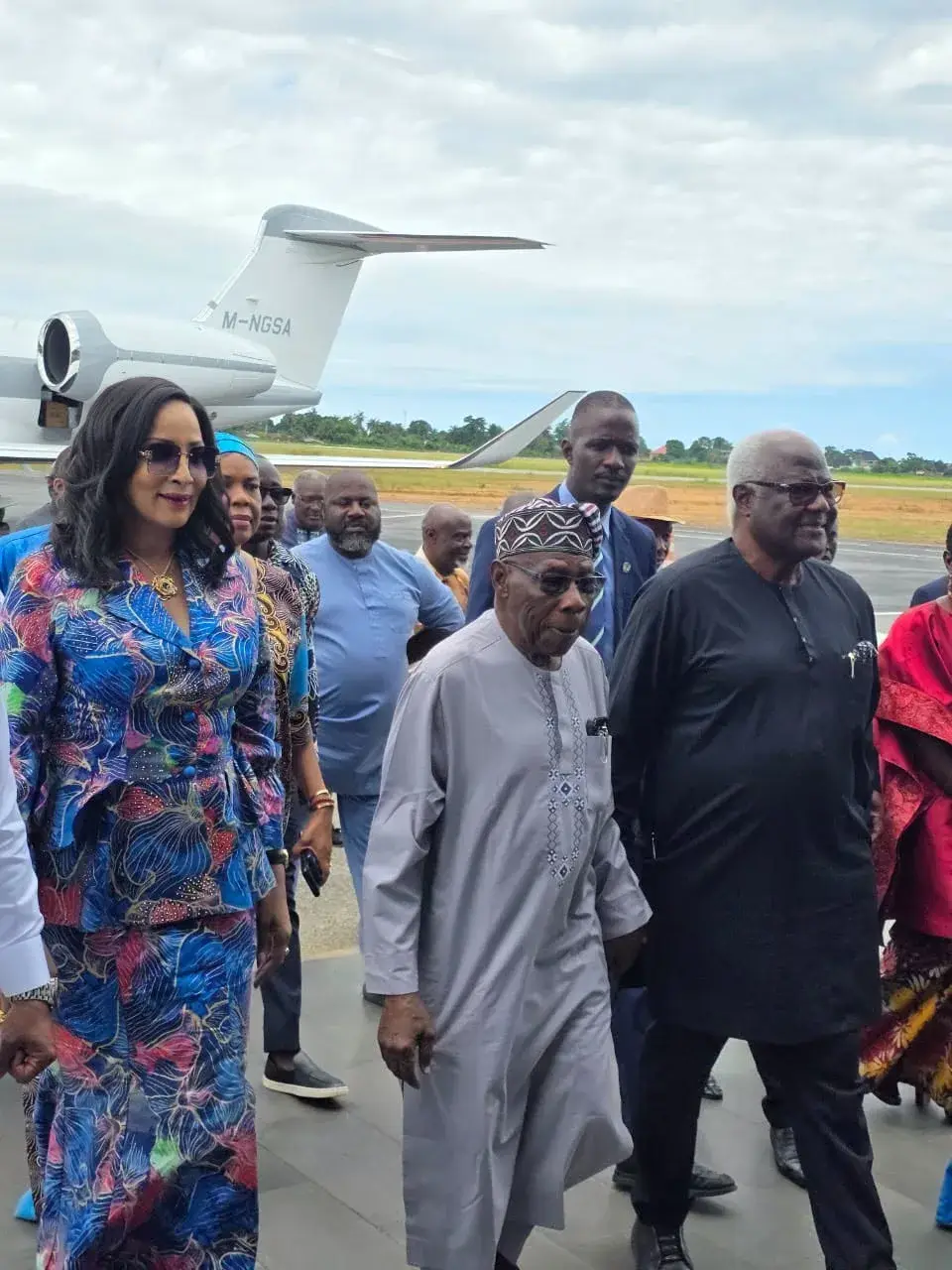
Former Sierra Leone President Koroma Returns Home Under Nigerian Escort
6 Sept 2026
You may also like
Africa
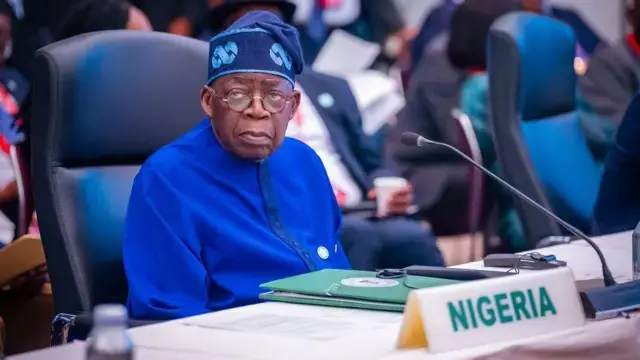
Nigeria Escalates South Africa Xenophobia Row to AU, Seeks Collective Action
31 Aug 2026
Africa
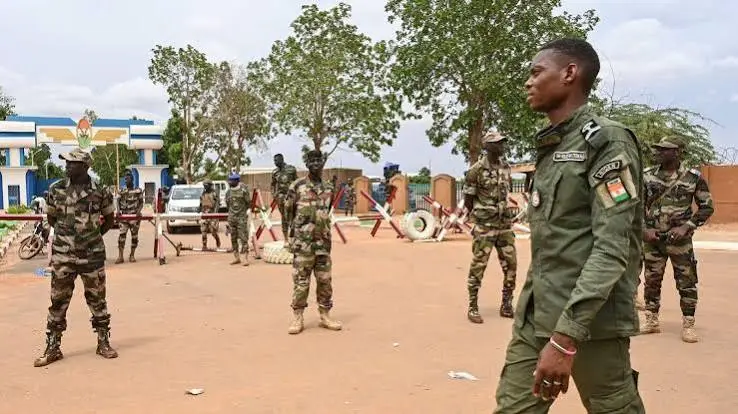
Niger Junta Battles Mutiny as Gunfire Rocks Capital
29 Aug 2026
Africa
China Tells Citizens to Leave Taiwan-Allied Eswatini Amid Diplomatic Tensions
28 Aug 2026
Africa
Museveni’s Son Muhoozi Announces 2031 Presidential Bid in Uganda
27 Aug 2026
Africa
Sadio Mané Launches $20 Million Mango Agro-Processing Project in Senegal
22 Sept 2026
Africa
ECOWAS Court Marks 25 Years, Calls for Reforms to Strengthen Justice Delivery
22 Sept 2026