
Museveni’s Son Muhoozi Announces 2031 Presidential Bid in Uganda
Uganda’s military chief Muhoozi Kainerugaba has declared that he will seek the presidency in 2031, putting his succession ambitions firmly back at the centre of the country’s politics.
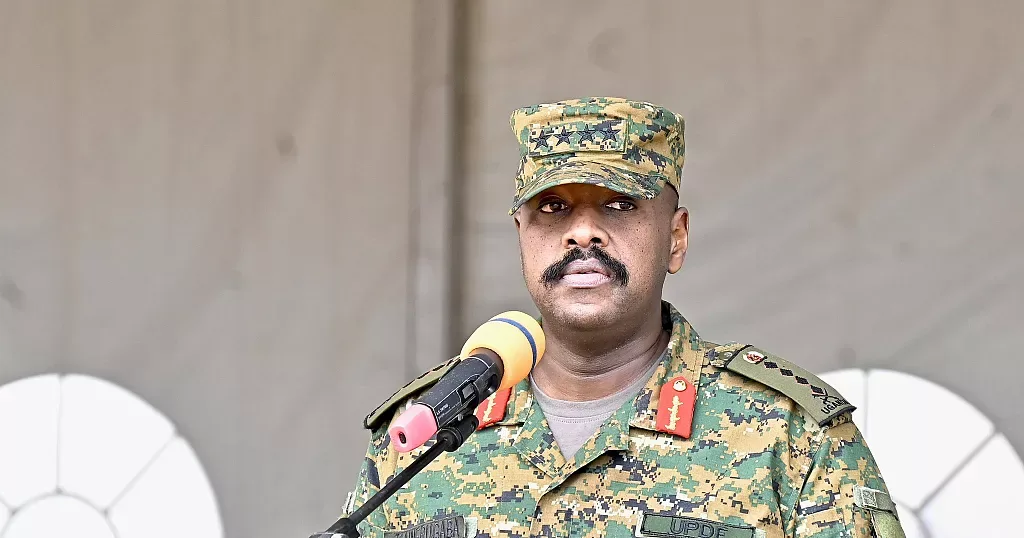
Uganda’s long-running succession question has taken a decisive new turn after President Yoweri Museveni’s son, Gen. Muhoozi Kainerugaba, announced that he intends to run for president in 2031. The 52-year-old Chief of Defence Forces made the declaration in a series of posts on X, saying he would seek “the highest office in the land” at the next presidential election.
Kainerugaba went further in a subsequent post, saying that with the support of his father, he expected to secure 90% of the vote. The statement amounts to the clearest public declaration yet of his intention to eventually replace Museveni, although the president himself has not formally named his son as his successor.
The announcement comes only months after Museveni, 81, secured another five-year term in Uganda’s January 2026 election. He has governed the country since 1986 and was sworn in for a seventh term in May. His continued rule has kept the question of who will eventually take over from him at the heart of Uganda’s political debate.
Kainerugaba is not a newcomer to the succession conversation. For years, political observers have viewed him as one of the strongest potential contenders to follow his father. He had been expected by some supporters to contest the 2026 election, but ultimately stepped aside and backed Museveni’s re-election. His political network, including the Patriotic League of Uganda, has continued to build support around his political ambitions.
His position is particularly significant because he is not simply a political figure. Kainerugaba is Uganda’s military chief, placing him at the top of the country’s armed forces while he simultaneously develops a political profile. That combination has fuelled debate over the role of the military in Uganda’s eventual transfer of power.
The general has also developed a reputation for provocative social-media statements, particularly attacks on opposition figures. Reuters has reported that he has previously made threats against opposition leader Bobi Wine, who is currently outside Uganda. Kainerugaba’s critics argue that his political rise must therefore be viewed alongside wider concerns about repression and the shrinking space for opposition politics. The government and its supporters have rejected accusations of systematic wrongdoing.
The 2026 election itself remains part of that backdrop. Academic researchers writing in African Affairs say the election was held amid an internet blackout and allegations of fraud and repression, while noting that Museveni has never publicly settled the question of who will succeed him. Their research found that Muhoozi is widely viewed as the leading potential successor, but that he is significantly less popular than his father among Ugandans.
That distinction could become important. Declaring a candidacy is one thing; building broad public legitimacy is another. The Oxford research suggests that while many Ugandans expect Muhoozi to be part of the succession story, a substantial share of the population remains uncertain about who will eventually lead the country. The researchers also found that Muhoozi's public standing is considerably weaker than Museveni's.
For Museveni, meanwhile, the announcement creates an unusual political calculation. Publicly endorsing his son could strengthen Muhoozi's campaign and settle years of speculation, but it could also intensify accusations that Uganda's presidency is being prepared for a hereditary transfer. So far, Museveni has not publicly confirmed that he has selected Muhoozi as his successor, leaving the president's own position an important unanswered question.
For Uganda, the issue goes beyond one family's political ambitions. Museveni has been in power for four decades, and the country has never experienced a transfer of presidential power through an election after such a prolonged period of one-person rule. A successful transition to his son would therefore mark a historic moment — but it would also test whether Ugandans see the process as a genuine democratic succession or the continuation of an entrenched political dynasty.
Muhoozi's 2031 announcement has effectively moved Uganda's succession debate from speculation into an open political contest. Whether he can convert the influence of his family name, military position and political network into nationwide electoral support will be one of the defining questions of Uganda's politics over the next five years. More broadly, the episode forces a much bigger question onto the table: after 40 years of Museveni rule, will Uganda's next chapter represent a change of leadership, or simply a change of generation within the same political system?
More on Africa

Africa
From the Goalposts to the Throne: Ugandan Royalty Awaits Football Captain George Kamurasi
9 Sept 2026
Africa
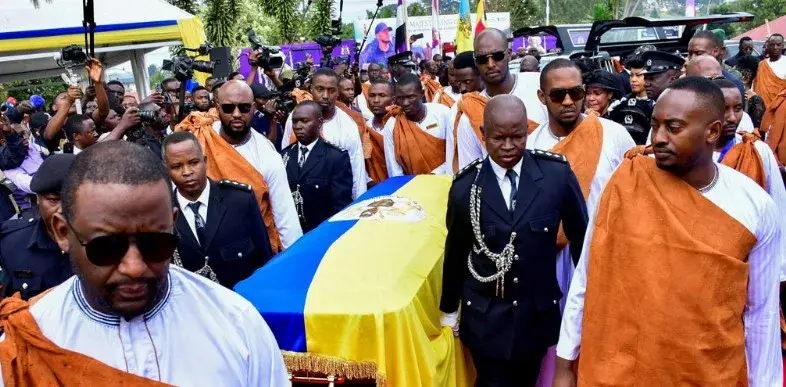
King Oyo Buried as Tooro Kingdom Faces Succession Dispute
14 Sept 2026
Africa
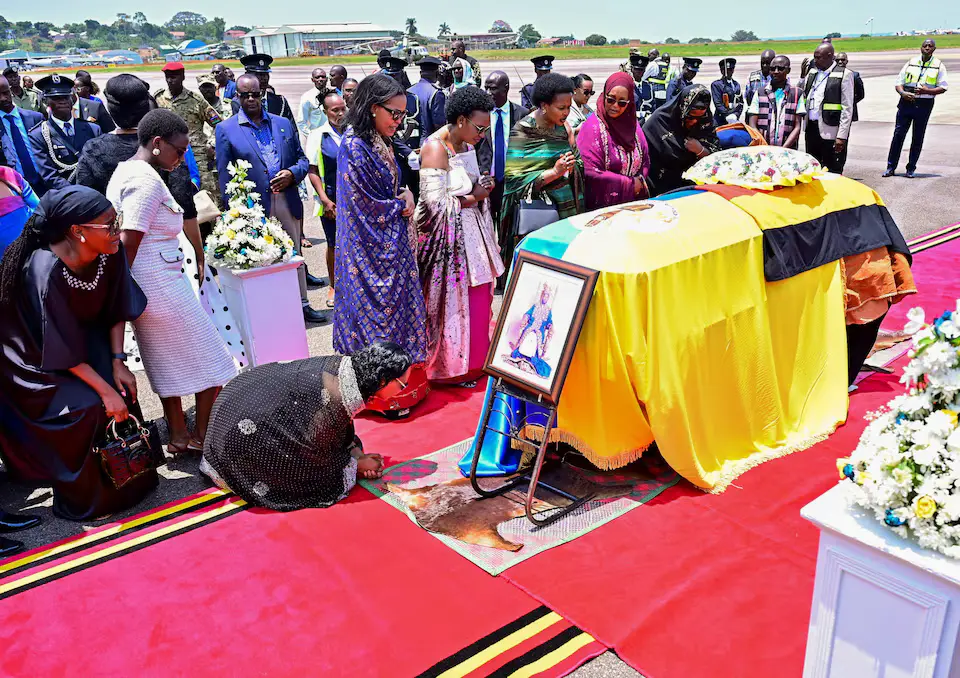
Uganda Welcomes Home King Oyo Nyimba for Final Burial After Historic Reign
6 Sept 2026
Africa
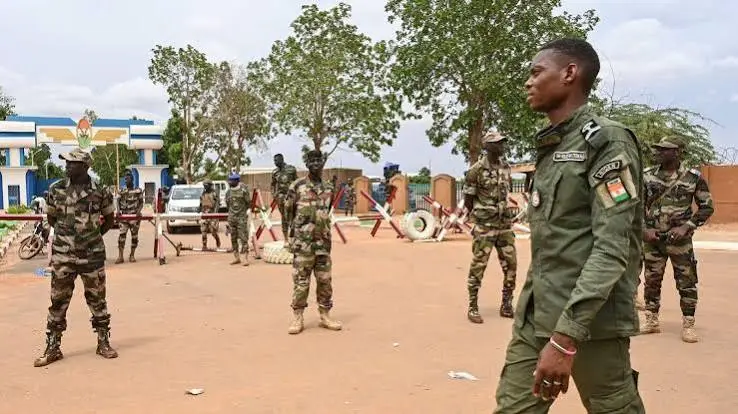
Niger Junta Battles Mutiny as Gunfire Rocks Capital
29 Aug 2026
Africa
Immigration Tensions Rise as South African Activists Issue September Ultimatum
11 Sept 2026
You may also like

Africa
24-Hour AfCFTA Certificate Reform Set to Accelerate Nigeria’s Non-Oil Exports
10 Sept 2026
Africa
Zambia Opposition Leader Mundubile Taken Into Custody Over Alleged Treason
28 Aug 2026
Africa
Sadio Mané Launches $20 Million Mango Agro-Processing Project in Senegal
22 Sept 2026
Africa
ECOWAS Court Marks 25 Years, Calls for Reforms to Strengthen Justice Delivery
22 Sept 2026

Africa
South African Surgeon Makes History With 3D-Printed Ear Transplant That Restores Hearing
17 Sept 2026
Africa
US Imposes Targeted Visa Restrictions on South Africans Over Land and Race Policies
16 Sept 2026