
ECOWAS Swears In Five Judges as Faye Calls for Stronger Public Trust in Regional Justice
Five new judges have taken office at the ECOWAS Community Court of Justice as President Bassirou Diomaye Faye calls for impartiality, independence and stronger public confidence in regional justice.
The Economic Community of West African States (ECOWAS) has sworn in five new judges of its Community Court of Justice, with Senegalese President and ECOWAS Authority Chairman Bassirou Diomaye Faye urging them to protect the court’s independence and restore public confidence in regional institutions.
The judges took their oaths on Tuesday, October 6, at the ECOWAS Commission headquarters in Abuja, beginning four-year, non-renewable terms. They are Désiré Henri Aihou of Benin, Awa Bah of The Gambia, Charlyne M. Brumskine of Liberia, Henrietta Uzoamaka Didigu of Nigeria and Yaouza Ouro-Sama of Togo.
Faye, who administered the oath, told the new judges that their work would carry particular weight at a time when West Africa is confronting overlapping political, economic, security and environmental pressures. He called on them to decide cases without fear, favour or outside influence, stressing that the credibility of the regional court would depend not only on its legal authority but on whether citizens trust its judgments.
The ECOWAS chairman also placed the protection of individual rights at the centre of the court’s responsibilities. He urged the judges to apply community law fairly, follow the oath they had taken and exercise their responsibilities according to their conscience rather than pressure from governments, institutions or other interests.
The appointments were approved at the 69th Ordinary Session of the ECOWAS Authority of Heads of State and Government in Lungi, Sierra Leone, on July 19, 2026. They were made under the supplementary legal framework adopted in December 2025 governing the Community Court.
Under the new framework, the court is made up of five independent judges selected from ECOWAS member states. Candidates are required to have the qualifications for appointment to a supreme court or equivalent judicial office, recognised expertise in international law, particularly regional integration law, and at least 20 years of professional experience.
The five judges replace Ricardo Cláudio Monteiro Gonçalves of Cape Verde, Sengu Mohamed Koroma of Sierra Leone, Dupe Atoki of Nigeria, Gberi-Bè Ouattara of Côte d’Ivoire and Edward Amoako Asante of Ghana, whose four-year terms have expired. Faye commended the outgoing judges for their contribution to the development of community law and regional integration.
The transition comes as ECOWAS faces a difficult period for regional integration. The withdrawal of Burkina Faso, Mali and Niger from the bloc earlier in 2025 has weakened the organization's reach across the Sahel, while disputes over democracy, security cooperation and the direction of regional integration have placed additional pressure on ECOWAS institutions.
Against that backdrop, the Community Court remains one of the bloc’s most important avenues for legal redress. ECOWAS describes it as the institution responsible for ensuring observance of law and equity in interpreting and applying the bloc’s treaties and other community instruments. Individuals can also bring human-rights cases before the court, giving it a role that extends beyond disputes between governments.
ECOWAS Commission President General Birame Diop said the swearing-in should be understood as more than a formal change of judges. He argued that the oath represents a commitment to citizens and to a common legal order, while stressing that member states must cooperate with the court and respect its independence for its decisions to have practical effect.
Diop also disclosed that discussions are underway over the possible creation of an Appellate Chamber for the Community Court. A committee involving representatives of ECOWAS institutions has been established to examine the proposal, with recommendations from a recent international conference in Dakar expected to feed into the process.
The new judges are expected to elect a president and vice-president from among themselves, each for two-year terms. Their appointment therefore begins not only a new judicial cycle but also a period in which the court will have to demonstrate that institutional reforms can translate into accessible and credible justice.
For ECOWAS, that question is bigger than the five appointments. At a time when confidence in regional institutions is being tested by political divisions, security crises and competing visions for West Africa’s future, the court's ability to act independently and deliver decisions that citizens and member states respect could become an important measure of whether the regional bloc can rebuild trust in its institutions and keep the rule of law at the centre of its integration project.
More on Africa
Africa
ECOWAS Court Marks 25 Years, Calls for Reforms to Strengthen Justice Delivery
22 Sept 2026
Africa
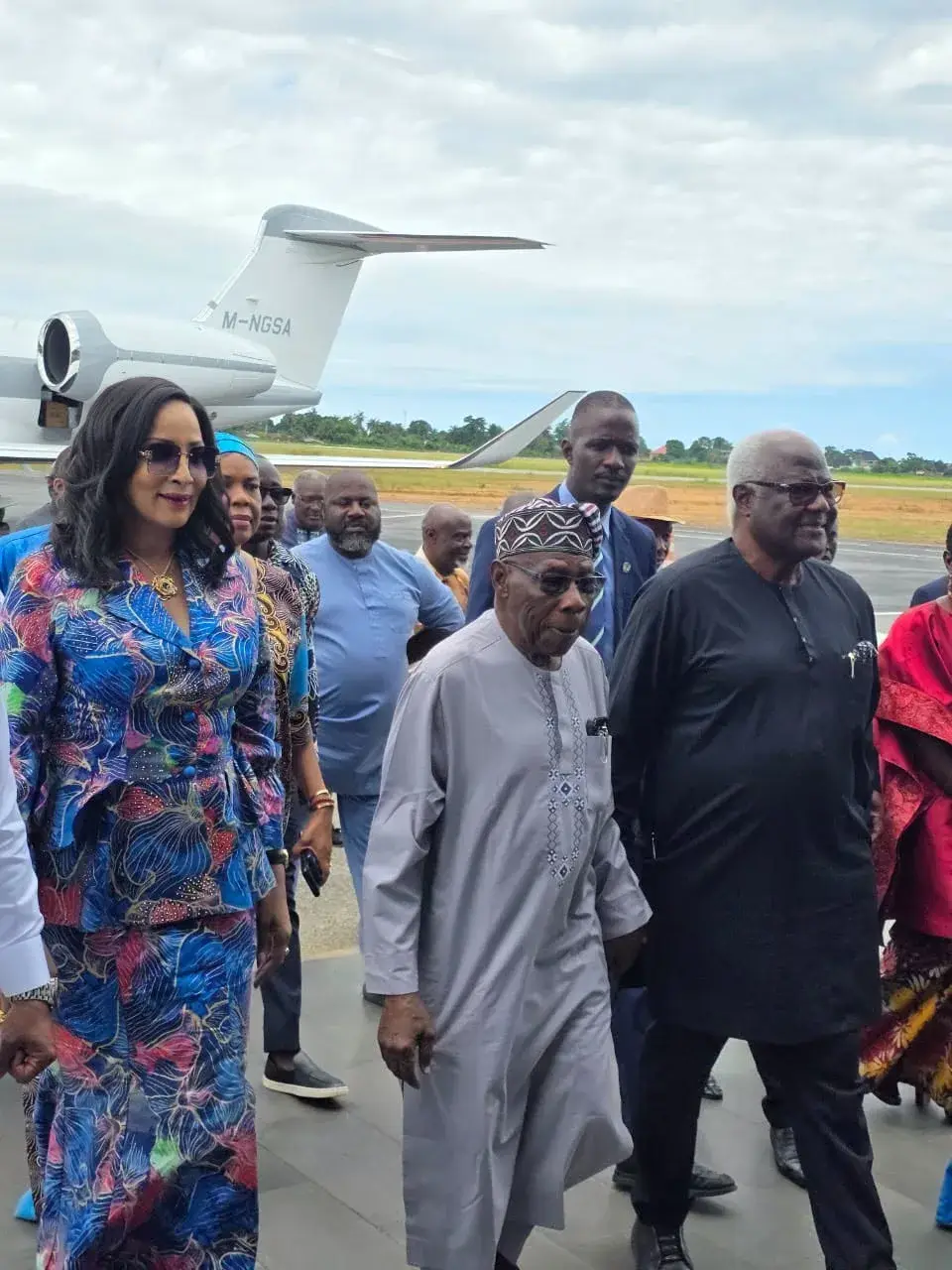
Former Sierra Leone President Koroma Returns Home Under Nigerian Escort
6 Sept 2026
Africa
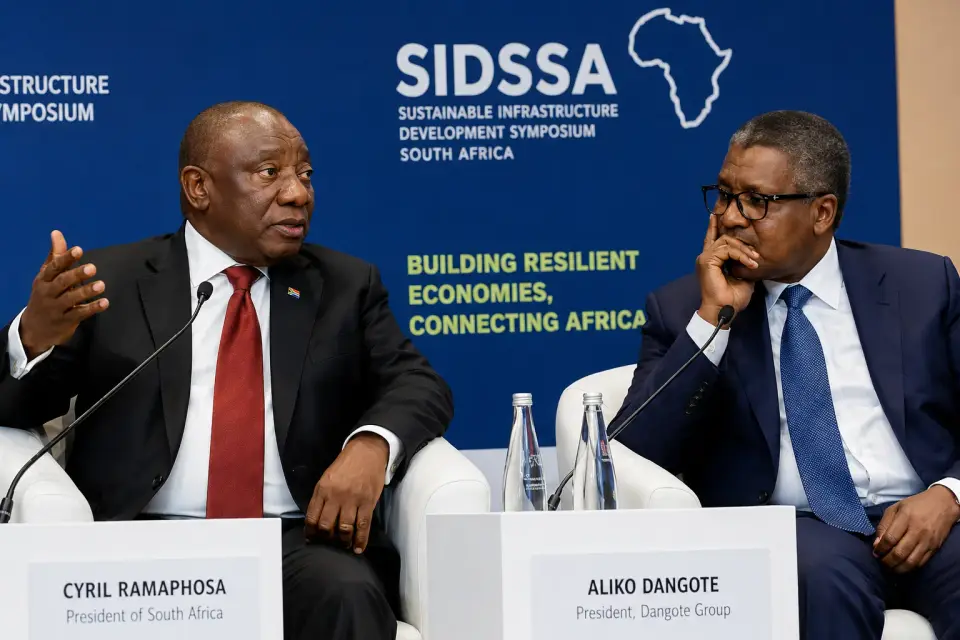
Africa's Financing Debate Heats up as Dangote Disputes Ramaphosa's Banking Claim
3 Sept 2026
Africa
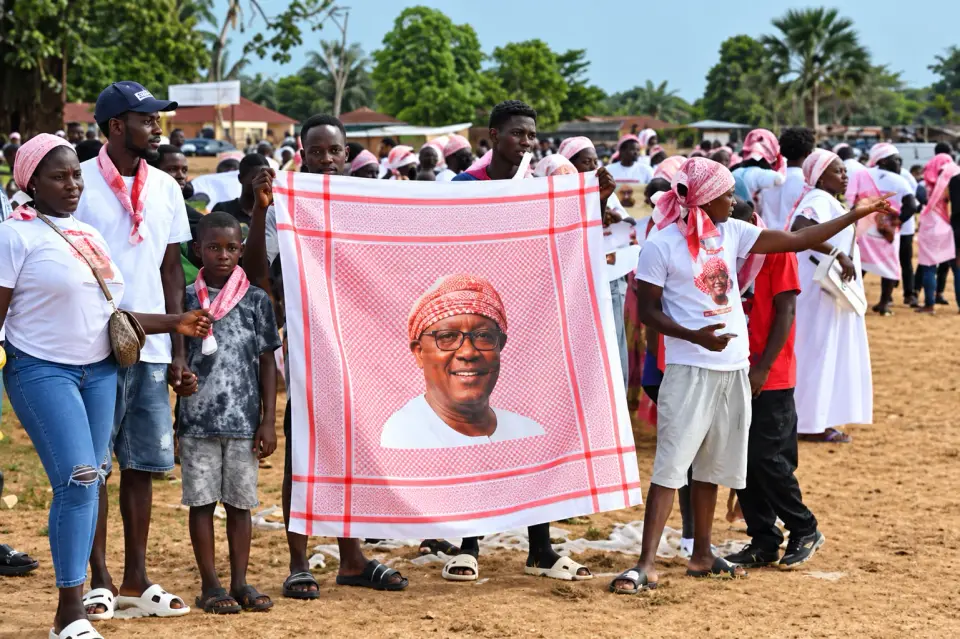
Guinea-Bissau’s Embaló Plans Return From Exile, Eyes Presidency
29 Sept 2026
Africa
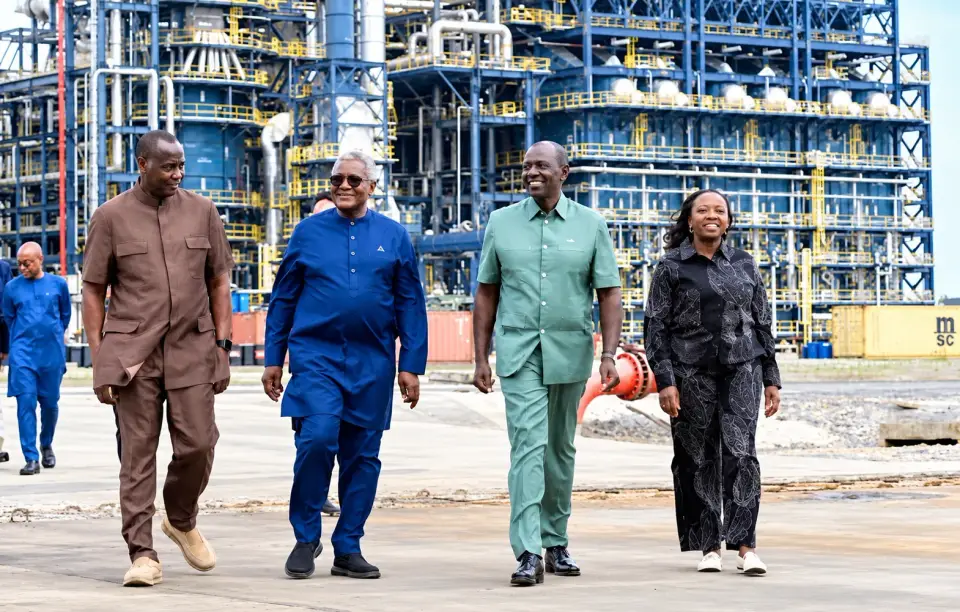
Kenya’s Ruto Tours Dangote Refinery Ahead of Lamu Refinery Launch
26 Sept 2026
You may also like
Africa
Tigray Declares “Defensive War” as Fighting Escalates in Ethiopia
24 Sept 2026

Africa
Afreximbank, ATDC Sign $500 Million Facility to Boost African Commodity Trade
23 Sept 2026
Africa
After Immigration Panic, Kenya Offers 90 Days for Foreign Businesses to Comply
10 Sept 2026
Africa
Crackdown on Foreign Traders Triggers Panic in Kenya Following Ruto’s Order
8 Sept 2026
Africa
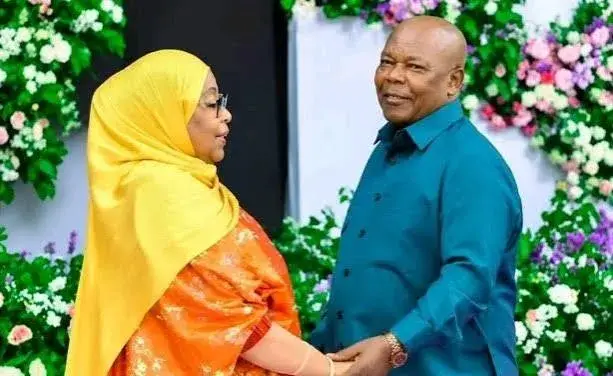
Tanzania Mourns Death of First Gentleman Hafidh Ameir Hassan
7 Sept 2026

Africa
Ghana Launches Marrify App to Verify Marriage and Divorce Status
5 Sept 2026