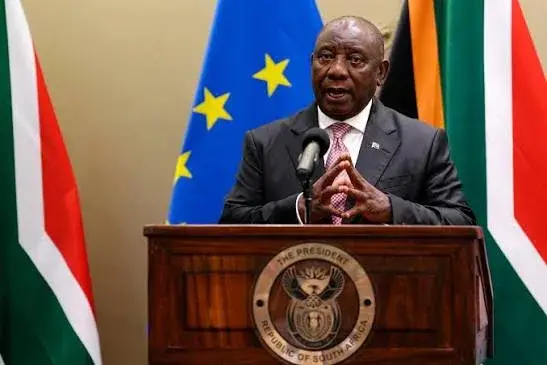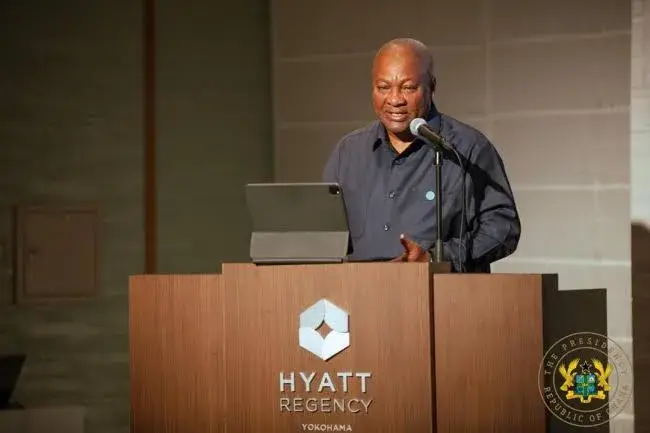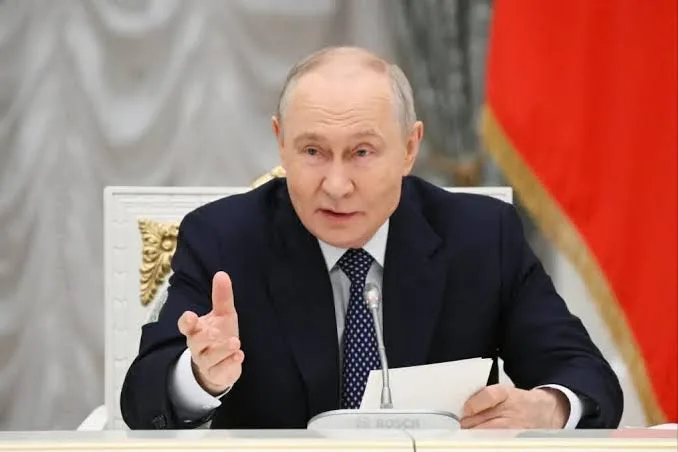
Russian President Vladimir Putin has invited African nations to connect to a Russia-backed payment system, pitching the infrastructure as a dependable gateway for faster and cheaper cross-border trade. Speaking before African heads of state and senior ministerial delegations, Putin presented the network as a practical alternative to conventional financial channels that routinely restrict emerging economies.
The pitch centered on A7, an emerging cross-border settlement infrastructure developed to process bilateral commerce without relying on Western financial messaging networks. Putin stressed that the platform accommodates both standard fiat and digital currencies, ensuring compliance with international law while removing the threat of arbitrary account freezes.
High-Speed Settlements and Ultra-Low Fees
During an official technology exhibition showcasing Russian payment solutions, finance officials outlined the direct economic benefits for African importers and exporters. Rather than navigating multilayered correspondent banks that extract heavy charges, the system executes transactions within seconds at a fraction of standard commercial costs.
Russian Deputy Prime Minister and Minister of Finance Anton Siluanov detailed the platform’s fee structure, noting that processing costs stand at just 0.3 percent per transfer. By comparison, conventional cross-border remittances and commercial wire transfers into and out of Africa often carry fees exceeding five to eight percent, alongside settlement delays that can stretch across several business days.
Total Independence from External Restrictions
A primary selling point presented to African leaders is total insulation from unilateral foreign sanctions. Over the past four years, global trade friction and the exclusion of major institutions from the SWIFT international messaging network have prompted non-Western economies to construct parallel financial rails.
Addressing delegates directly, Putin argued that modern financial architecture should belong to every sovereign state rather than a handful of global centers. He emphasized that digital currency adoption is advancing rapidly worldwide, making it essential for developing markets to protect their foreign commerce against third-party political decisions.
The network utilizes distributed and non-bank financial channels alongside international banking partners. Russian officials stated that the underlying architecture makes unilateral payment blocks technically impossible, providing African commercial enterprises with reliable access to external markets regardless of geopolitical disputes.
Implications for Africa-Russia Trade Expansion
Trade volume between African nations and external partners has historically faced bottlenecks caused by dollar clearing requirements and foreign exchange scarcity. By offering direct bilateral settlement mechanisms, the payment initiative seeks to streamline commerce in vital commodities, including agricultural fertilizers, wheat, mining machinery, and energy products.
African central banks and commercial lenders are currently evaluating the technical and regulatory frameworks required to integrate sovereign settlement platforms. While governments across the continent remain committed to maintaining diversified economic relationships, the demand for cost-effective, uninterrupted settlement channels continues to drive interest in sovereign financial networks.