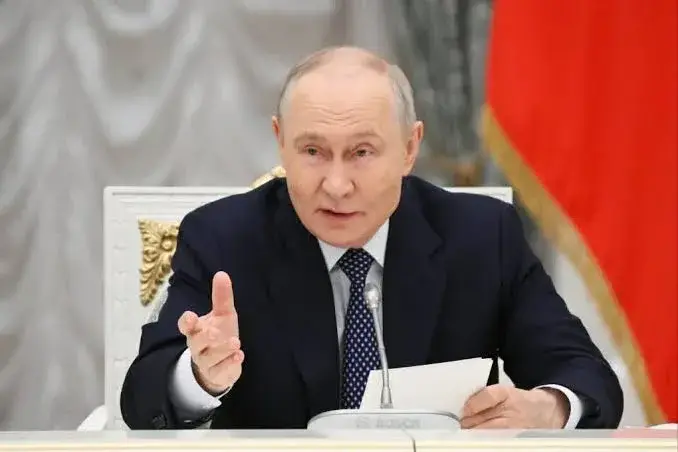
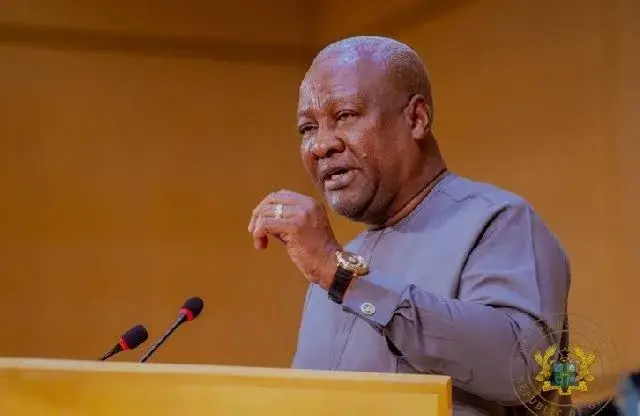
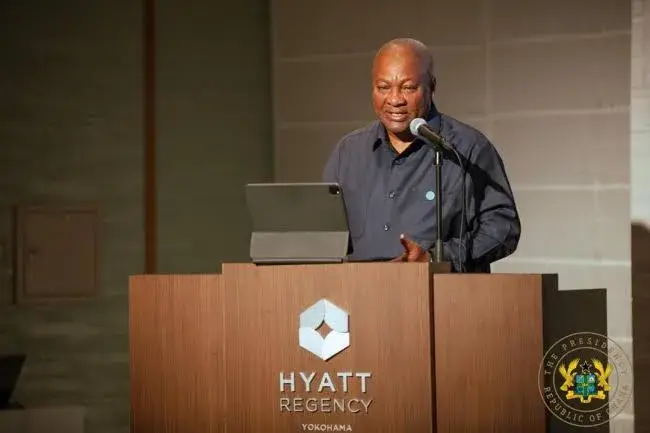
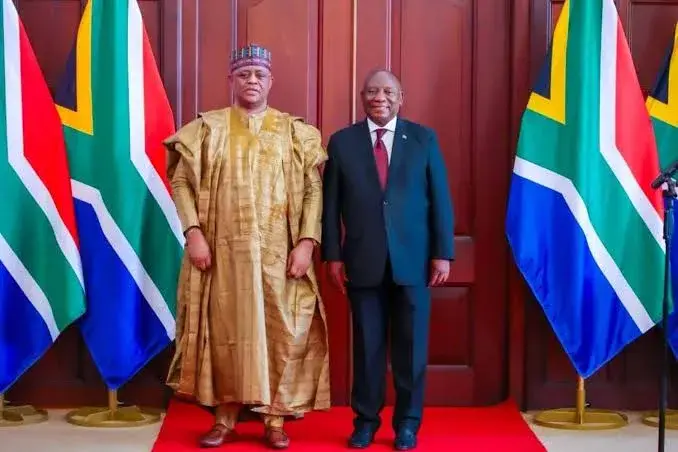
The president of the 31st United Nations Climate Change Conference, Murat Kurum, has apologised to Ghana's Environment Minister following a tense confrontation at the summit's closing session.
Kurum interrupted Zanetor Agyeman-Rawlings while she was presenting Africa's closing statement in Antalya, Türkiye.
The minister was speaking on behalf of the African Group of Negotiators (AGN), which represents African countries in international climate discussions.
The interruption happened during the closing plenary on Sunday, November 22. It prompted immediate objections from Ghana's delegation and other African representatives.
The incident attracted attention because Africa was presenting its collective position. The delegation wanted stronger commitments on climate finance and adaptation support.
According to reports by Ghanaian broadcaster Citi FM and Nigerian newspaper Punch, Kurum later approached the minister and offered an apology.
He insisted that he had never intended to disrespect her, Ghana or the wider African continent.
CitiNewsroom.com+2
Ghana's Minister Challenges the COP31 President
The confrontation began when Kurum interrupted Agyeman-Rawlings approximately one minute into her presentation.
The interruption prompted the Chair of the African Group of Negotiators, Nana Dr Antwi-Boasiako Amoah, to challenge the conference president.
Amoah argued that the African delegation deserved the same opportunity to speak as other negotiating parties.
He reminded Kurum that the group represented 54 African countries.
He also questioned why another delegation had been allowed to complete its intervention without interruption.
Agyeman-Rawlings subsequently addressed the president directly.
She described his conduct as unacceptable and said she had been rudely cut off.
She also argued that the incident reflected the treatment African representatives had experienced during the negotiations.
The minister stressed that international climate discussions must respect established procedures.
She later resumed her presentation and delivered the African Group's statement.
According to reporting by Premium Times, she had changed her flight arrangements twice and extended her stay to participate in the closing negotiations.
Premium Times Nigeria+2
Murat Kurum Apologises to the Ghanaian Minister
Following the confrontation, Kurum personally apologised to Agyeman-Rawlings and the African negotiating group.
A video of the exchange was shared by Ghanaian broadcaster Citi FM.
During the apology, Kurum held the minister's hand while addressing her through an interpreter.
He explained that he had not intended to undermine her or Africa's participation.
He also described the minister as a valuable representative and emphasised the relationship between their countries.
Kurum acknowledged the tension surrounding the negotiations. He asked the minister not to interpret his actions as deliberate disrespect.
Agyeman-Rawlings accepted the apology.
She acknowledged that international negotiations could become frustrating, particularly when countries disagreed over important decisions.
However, her response also reinforced the importance of cooperation and mutual respect.
The exchange ended with applause from officials who witnessed the reconciliation.
The Chair of the African Group of Negotiators was also present.
Ghanaian media outlet Graphic Online and the Ghana News Agency reported the apology and the minister's acceptance.
Graphic Online+2
Africa's Bigger Disagreement: Climate Finance and Adaptation
Beyond the interruption, the confrontation exposed deeper disagreements about Africa's priorities at COP31.
African countries entered the negotiations seeking stronger financial commitments from wealthier nations.
Their concerns included adaptation finance, climate resilience and support for communities facing environmental challenges.
Adaptation finance refers to funding that helps countries prepare for climate impacts. These include flooding, drought, extreme heat and rising sea levels.
Agyeman-Rawlings expressed disappointment with the proposed Antalya Pact.
She argued that the agreement lacked a clear financial pathway for delivering promised adaptation support.
African countries had expected governments to translate previous commitments into practical funding arrangements.
The minister particularly questioned the absence of clear funding baselines, financial targets and implementation plans.
She also raised concerns about the Global Goal on Adaptation and the postponement of decisions on the just transition mechanism.
The just transition mechanism concerns how countries can move towards cleaner economies while protecting workers and vulnerable communities.
These issues are especially important to African countries. Many face serious climate risks despite contributing relatively little to global greenhouse gas emissions.
The disagreement therefore extended beyond the conduct of one conference president.
It concerned whether international climate agreements would deliver meaningful support to countries facing significant environmental challenges.
Punch Newspapers+3
What the Incident Means for Africa's Place in Global Climate Talks
The incident has renewed attention on representation and fairness within international climate negotiations.
The African Group of Negotiators plays an important role in coordinating the continent's common position.
Rather than negotiating separately, participating countries work together to advance shared priorities.
Ghana currently chairs the group and therefore has an important responsibility in representing African interests.
The confrontation also highlights the importance of allowing every delegation to participate meaningfully.
International climate agreements require cooperation among countries with different economic interests and environmental responsibilities.
For Africa, the outcome of these negotiations has direct consequences.
Climate financing can support infrastructure, agriculture, water systems and communities exposed to environmental risks.
However, financial promises must translate into accessible funding and practical programmes.
Kurum's apology addressed the immediate disagreement with the Ghanaian minister. It did not, by itself, resolve the wider disagreements over climate finance.
The episode leaves an important question for future climate negotiations: will African countries receive the financial commitments and meaningful representation they have repeatedly demanded?
As the international climate process moves forward, Africa's negotiating position will remain important in discussions about financing, adaptation and environmental justice.