Nigeria's newly accredited High Commissioner to South Africa, Femi Fani-Kayode, has declined an interview with the South African Broadcasting Corporation (SABC). His decision followed a public protest over how his official reception was broadcast.
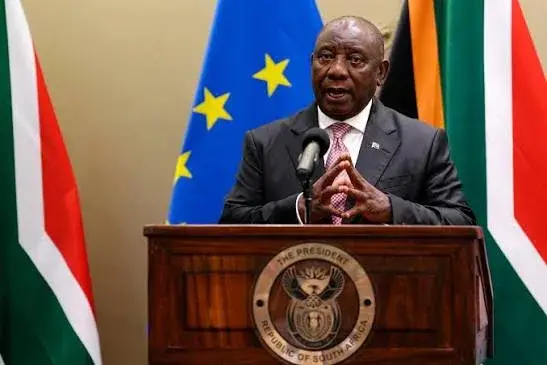
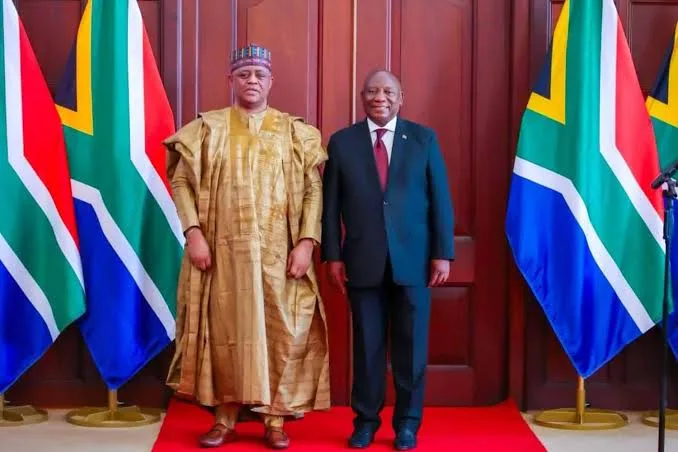
The diplomatic spat began on Friday during a formal credentials ceremony at the Sefako Makgatho Presidential Guest House in Pretoria. President Cyril Ramaphosa hosted 15 newly appointed heads of mission to formally receive their diplomatic credentials.
Fani-Kayode claimed that the official broadcast feed cut out his introduction and speech while showing those of every other foreign ambassador.
A Diplomatic Credentials Ceremony in Pretoria
A presentation of letters of credence is a major diplomatic milestone. It officially confirms an ambassador as the accredited representative of their home government.
Friday's ceremony in Pretoria brought together envoys from 15 nations across Africa, Europe, Asia, and the Americas. Fani-Kayode led the Nigerian diplomatic delegation to formally begin his mission in South Africa.
Shortly after the event, the Nigerian envoy voiced sharp frustration on social media. He stated that his introduction and diplomatic address were omitted from the official live broadcast of the ceremony.
He alleged that the livestream cut out entirely when his turn arrived and returned only after his remarks ended.
Fani-Kayode Alleges Deliberate Exclusion
In his public statement, Fani-Kayode called the incident an unacceptable slight against Nigeria and its government. He insisted that out of all 15 foreign envoys presenting credentials, only Nigeria experienced a broadcast blackout.
The envoy noted that he raised the issue directly with President Ramaphosa at the venue. He praised the South African leader for listening attentively and directing his staff to address the grievance immediately.
However, Fani-Kayode refused an on-site interview with SABC News crew members covering the ceremony.
He described the broadcast handling as deplorable treatment of his delegation. He added that while he respects South Africa and its people, he will not tolerate disrespect toward Nigeria.
SABC Defends Editorial Independence
The SABC responded with an official statement on Sunday, acknowledging the envoy's refusal while defending its journalistic record.
The public broadcaster expressed regret over his decision to decline the interview. However, it emphasized that it remains fully open to future engagement with Fani-Kayode and the Nigerian High Commission.
The corporation also pushed back against being characterized as a state-run propaganda channel. It stated that it operates as an independent public service media organisation dedicated to credible, impartial journalism.
Crucially, the SABC clarified that the South African Presidency's technical livestream arrangements and SABC News's independent editorial coverage are separate matters.
The broadcaster confirmed that it aired the ceremony on its digital SABC News LIVE platform on SABC+. It also broadcast Fani-Kayode's arrival during a live crossing on DStv Channel 404 and published reports on its digital channels.
Broader Context of Nigeria-South Africa Relations
The broadcast dispute highlights how sensitive diplomatic optics remain between Africa's two largest economies.
Nigeria and South Africa maintain extensive bilateral trade ties, security partnerships, and cultural exchanges. Yet their diplomatic relationship has faced periodic strain over immigration, trade regulations, and national pride.
Fani-Kayode's appointment as High Commissioner places him at the center of Pretoria's diplomatic circle. He also represents Nigeria's interests in neighboring Lesotho and Eswatini.
Both governments frequently stress the importance of open communication to prevent minor protocol misunderstandings from overshadowing wider economic cooperation.