Nigeria’s Dangote Group is evaluating cross-border manufacturing investments through a proposed Dangote Egypt industrial partnership.
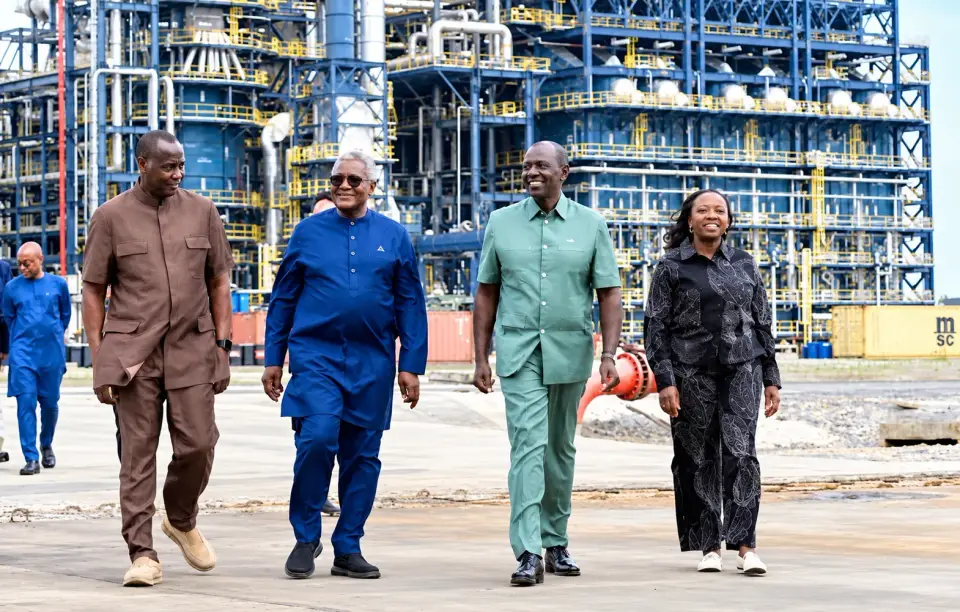
The move follows an official working visit by an Egyptian ministerial delegation to the conglomerate’s industrial zone in Lekki, Lagos. Both sides held detailed talks on expanding technical collaboration across oil refining, petrochemicals, and commercial fertiliser production.
The engagement represents an important step in building direct economic bridges between Africa's two largest commercial powerhouses.
High-Level Lagos Talks Open New Avenues
The bilateral mission brought together senior government policymakers and corporate energy executives from North and West Africa.
Egypt's Minister of Investment and Foreign Trade led the visiting team alongside representatives from his nation's petroleum ministry. Senior executives from Cairo's energy and chemical industries joined the inspection tour to evaluate joint manufacturing projects.
Talks centered on matching private enterprise capacity with regional market demand. Officials examined practical ways to combine commercial supply chains, share engineering standards, and cut import dependence across regional trading zones.
Expanding Refining and Fertiliser Operations
Discussions focused specifically on large-scale chemical processing and fuel supply networks.
The delegation conducted an on-site review of the 650,000-barrel-per-day petroleum refinery and adjacent urea plants. Egyptian officials noted that integrating supply chains between Mediterranean ports and Gulf of Guinea maritime routes could lower shipping costs.
Joint ventures under review include technical support agreements, bulk input sourcing, and shared distribution networks for refined fuels. Expanding regional fertiliser output is also intended to protect African farmers from volatile global supply disruptions.
Advancing Pan-African Industrial Growth
The potential expansion reflects a broader push toward deeper continental trade integration.
Company leadership noted that African businesses must deploy capital within the continent to drive lasting economic development. Investing across national boundaries allows regional firms to add value to domestic natural resources rather than exporting raw commodities abroad.
Technical teams from both sides are scheduled to continue feasibility assessments over the coming months. Formal project scopes and capital commitments will be outlined as regulatory frameworks and investment structures are finalized.