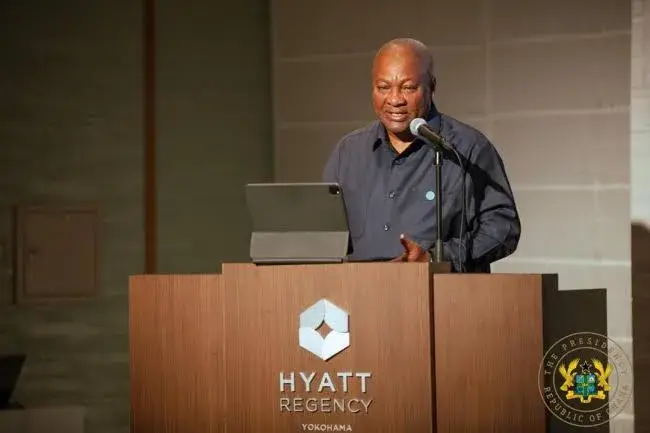
South Africa has summoned Nigeria’s newly accredited High Commissioner, Ambassador Femi Fani-Kayode, for a formal diplomatic démarche following his allegation of discriminatory treatment during the livestream of his presentation of credentials to President Cyril Ramaphosa.
The diplomatic meeting, held on November 17, 2026, saw South Africa’s Department of International Relations and Cooperation (DIRCO) raise concerns over the incident and remind the Nigerian envoy of the diplomatic protocols governing relations with the host government.
The démarche was delivered by DIRCO Director-General Zane Dangor, who emphasised the importance of conducting official diplomatic communication through established channels.
South Africa specifically referred to Article 41 of the Vienna Convention on Diplomatic Relations, which outlines the responsibilities of diplomats in their host countries.
The development follows a public disagreement between the Nigerian envoy and South African officials over the handling of his diplomatic credentials ceremony.
South Africa raises diplomatic concerns with Nigeria’s envoy
According to DIRCO, Dangor used the November 17 meeting to address the controversy surrounding Fani-Kayode’s presentation of credentials.
He emphasised the importance of protecting the longstanding relationship between Nigeria and South Africa.
The department also reminded the Nigerian High Commissioner that official communication with the South African government should follow established diplomatic channels.
Article 41 of the 1961 Vienna Convention on Diplomatic Relations requires diplomats to respect the laws and regulations of their host countries.
It also provides that official business entrusted to a diplomatic mission should be conducted through the receiving state's foreign ministry or another agreed channel.
DIRCO reaffirmed South Africa’s commitment to maintaining strong relations with Nigeria.
It also emphasised the importance of mutual respect, friendship and African solidarity in managing disagreements between both countries.
The meeting therefore represented South Africa’s formal expression of concern over the controversy.
However, the diplomatic démarche does not automatically mean that Fani-Kayode has been formally reprimanded or that Nigeria’s diplomatic standing has changed.
Fani-Kayode alleges discrimination during Ramaphosa’s ceremony
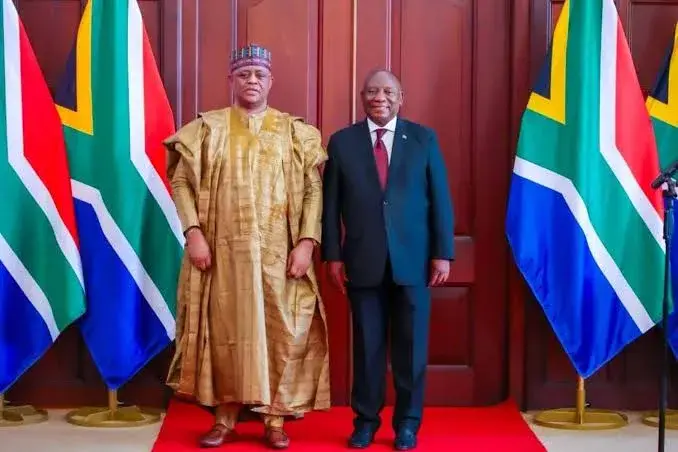
The controversy began on November 13, 2026, when Fani-Kayode presented his Letters of Credence to President Cyril Ramaphosa in Pretoria.
The ceremony formally introduced the Nigerian envoy to the South African President as Nigeria’s accredited High Commissioner.
Representatives of 14 other countries also participated in the diplomatic ceremony.
However, Fani-Kayode later accused the South African Presidency of deliberately excluding his presentation, delegation and speech from the official livestream.
He claimed the presentations of the other diplomats were broadcast, but the livestream stopped during his own presentation.
According to Fani-Kayode, the broadcast resumed after he had completed his speech.
He described the incident as discriminatory treatment of Nigeria and its diplomatic delegation.
The Nigerian envoy also said he raised the matter directly with Ramaphosa during a photograph session.
He claimed the South African President directed officials to address his concerns.
The allegation subsequently triggered a public disagreement involving the Nigerian High Commission and the South African Presidency.
South African Presidency disputes the allegation
South African President Cyril Ramaphosa’s spokesperson, Vincent Magwenya, rejected suggestions that the President had interfered with the broadcaster’s editorial decisions.
Magwenya said Ramaphosa referred Fani-Kayode to Sophie Mokoena, the South African Broadcasting Corporation’s acting political and foreign editor.
He explained that the President did not have authority to dictate the broadcaster’s editorial decisions.
Magwenya also criticised the Nigerian envoy’s handling of the complaint.
The disagreement attracted further attention after the South African Presidency published a separate video containing Fani-Kayode’s speech.
The development provided access to the address that had not appeared in the original livestream.
However, the publication of the separate video does not independently establish why the original broadcast omitted the presentation.
Neither the available public information nor the official statements reviewed establish that the omission was deliberately intended to discriminate against Nigeria.
The allegation therefore remains Fani-Kayode’s account of the incident, disputed by South African officials.
Nigeria rejects claims that Fani-Kayode was reprimanded
The November 17 meeting also generated different descriptions from the two countries.
South Africa confirmed that its Director-General raised concerns with Fani-Kayode and reminded him of diplomatic communication procedures.
However, Nigeria’s High Commission rejected reports suggesting that the envoy had been reprimanded or formally warned.
The mission described the meeting as cordial and constructive.
It maintained that both sides exchanged views and reaffirmed their commitment to diplomatic protocols and bilateral relations.
Fani-Kayode also described the meeting as cordial.
He said both countries discussed their relationship and the circumstances surrounding the livestream controversy.
In comments reported by TheCable, he said lessons had been learned on all sides.
He also expressed Nigeria’s desire to maintain good relations with South Africa and strengthen connections between their people.
The different accounts highlight an important distinction.
South Africa confirmed that it formally raised concerns with Nigeria’s representative. Nigeria, meanwhile, disputed the suggestion that the meeting amounted to a reprimand.
What the diplomatic démarche means for Nigeria and South Africa
A diplomatic démarche is a formal communication through which one government presents concerns, requests clarification or communicates its position to another government or its representative.
It allows countries to address disagreements through recognised diplomatic procedures.
Article 41 of the Vienna Convention provides part of the framework for this relationship.
It requires diplomatic representatives to respect the laws of their host countries and conduct official business through appropriate channels.
However, the article does not establish a general prohibition on diplomats making public statements or using social media.
The South African government's reminder should therefore be understood within the context of official diplomatic communication.
The incident also highlights the importance of managing disagreements between two influential African countries.
Nigeria and South Africa maintain significant political, economic and diplomatic relationships.
Their cooperation affects trade, investment, regional development and the interests of citizens living in both countries.
Consequently, public disagreements involving senior diplomatic representatives can attract attention beyond the immediate incident.
For now, South Africa has formally communicated its concerns, while Nigeria says the meeting was constructive.
Both governments have also indicated their interest in maintaining diplomatic relations.
The outstanding issue is whether the controversy surrounding the livestream will receive further official clarification or whether both countries will consider the matter resolved through diplomatic engagement.