
Formula 1 Returns to Africa After 33 Years With Historic Rwanda Grand Prix Deal
Rwanda will host Formula 1 from the early 2030s under a decade-long agreement, bringing the championship back to Africa for the first time since 1993.
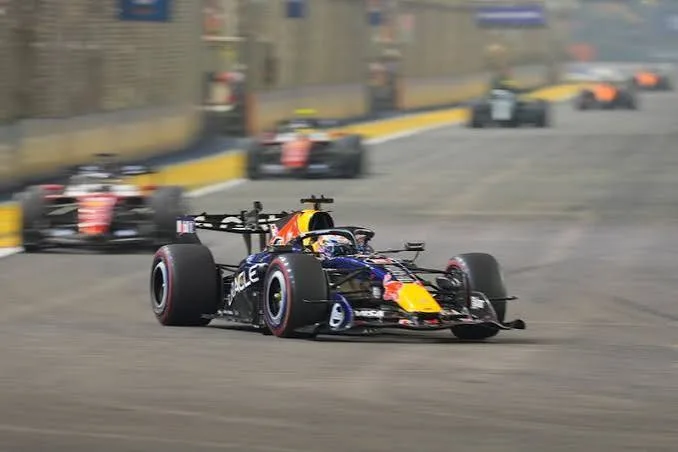
Rwanda has secured a 10-year agreement to host Formula 1 races, marking a major milestone in the country’s drive to attract international sporting events and a long-awaited return for the championship to Africa.
The race, officially named the Formula 1 African Grand Prix, presented by Visit Rwanda, will take place on a purpose-built circuit in Bugesera, about 40 kilometres (25 miles) south of the capital, Kigali. The track is planned near the new Kigali International Airport and must be completed before the inaugural race can take place. Formula 1 has indicated that the event is expected to join the calendar in the early 2030s, although an exact opening date has not yet been announced.
The agreement was announced on Tuesday, October 13, with Rwandan President Paul Kagame, Formula 1 chief executive Stefano Domenicali and International Automobile Federation (FIA) president Mohammed Ben Sulayem among those involved in the announcement in Kigali.
For Formula 1, the deal ends more than three decades without a race on the African continent. The championship last competed in Africa at the 1993 South African Grand Prix at Kyalami, near Johannesburg. Rwanda’s addition will also give Formula 1 a presence on every inhabited continent.
The planned Bugesera circuit will be developed to meet FIA Grade 1 standards, the highest circuit certification required to host Formula 1. Its design is being developed with the involvement of former F1 driver Alexander Wurz and circuit engineering firm Tilke Engineers and Architects, with the terrain’s natural elevation changes expected to shape the racing layout.
Rwanda’s ambitions extend beyond the race weekend. According to Formula 1 and the country’s officials, the venue is intended to host other motorsport competitions, concerts, exhibitions, conferences and major events throughout the year. The wider development, led by the Rwanda Development Board, is expected to support tourism, investment, employment and skills development.
Kagame has described the agreement as an investment in Rwanda’s future, arguing that it could create opportunities for local businesses and young people. Formula 1, meanwhile, says Africa represents a significant growth opportunity, pointing to an estimated audience of more than 100 million fans across the continent. Those are projections and ambitions; the eventual economic benefits will depend on construction, visitor numbers, local participation and how much of the investment reaches businesses and communities.
The decision also answers a longstanding call from seven-time world champion Lewis Hamilton, who has repeatedly urged Formula 1 to return to Africa. Hamilton has argued that a championship with a global audience should not leave an entire continent without a race, particularly given Africa’s young population and growing motorsport interest.
Rwanda was not the only African country interested in hosting a Grand Prix. South Africa has also pursued a return to the calendar, but Formula 1 has now committed to Rwanda through a long-term agreement. The deal does not, however, establish that Rwanda will be the continent’s only potential host indefinitely; the sport has not ruled out broader future opportunities.
The announcement is not without controversy. Rwanda has invested heavily in international sports partnerships and events as part of its effort to attract visitors, investors and global attention. Human rights groups have criticized some of these arrangements, arguing that high-profile sporting events can improve the country’s image while drawing attention away from concerns about political freedoms and alleged abuses.
On Tuesday, Amnesty International criticized the Formula 1 agreement as a form of “sportswashing”, saying the championship should not overlook allegations of arbitrary detention, torture and restrictions on free expression. Human Rights Watch has also documented concerns about restrictions on opposition figures, journalists and civil society in Rwanda. These are allegations and assessments made by rights organizations, rather than findings about the Grand Prix project itself.
The broader question is whether the event’s promised economic gains will be matched by measurable benefits for ordinary Rwandans, including local employment, technical training and opportunities for African motorsport talent. The circuit must still be built, and its cost, delivery schedule and long-term returns will be important measures of the project’s success.
Rwanda’s Formula 1 agreement is a landmark for African sport: it puts the continent back on the world championship calendar and offers the possibility of new investment, tourism and visibility. But the significance of the deal will be determined by more than the spectacle of race day. If the project delivers lasting local opportunities and a credible path for African drivers and engineers, it could become a meaningful step in the sport’s global expansion; if the benefits remain largely symbolic, the questions surrounding cost, accountability and Rwanda’s international image will remain part of the story.
More on Africa
Africa
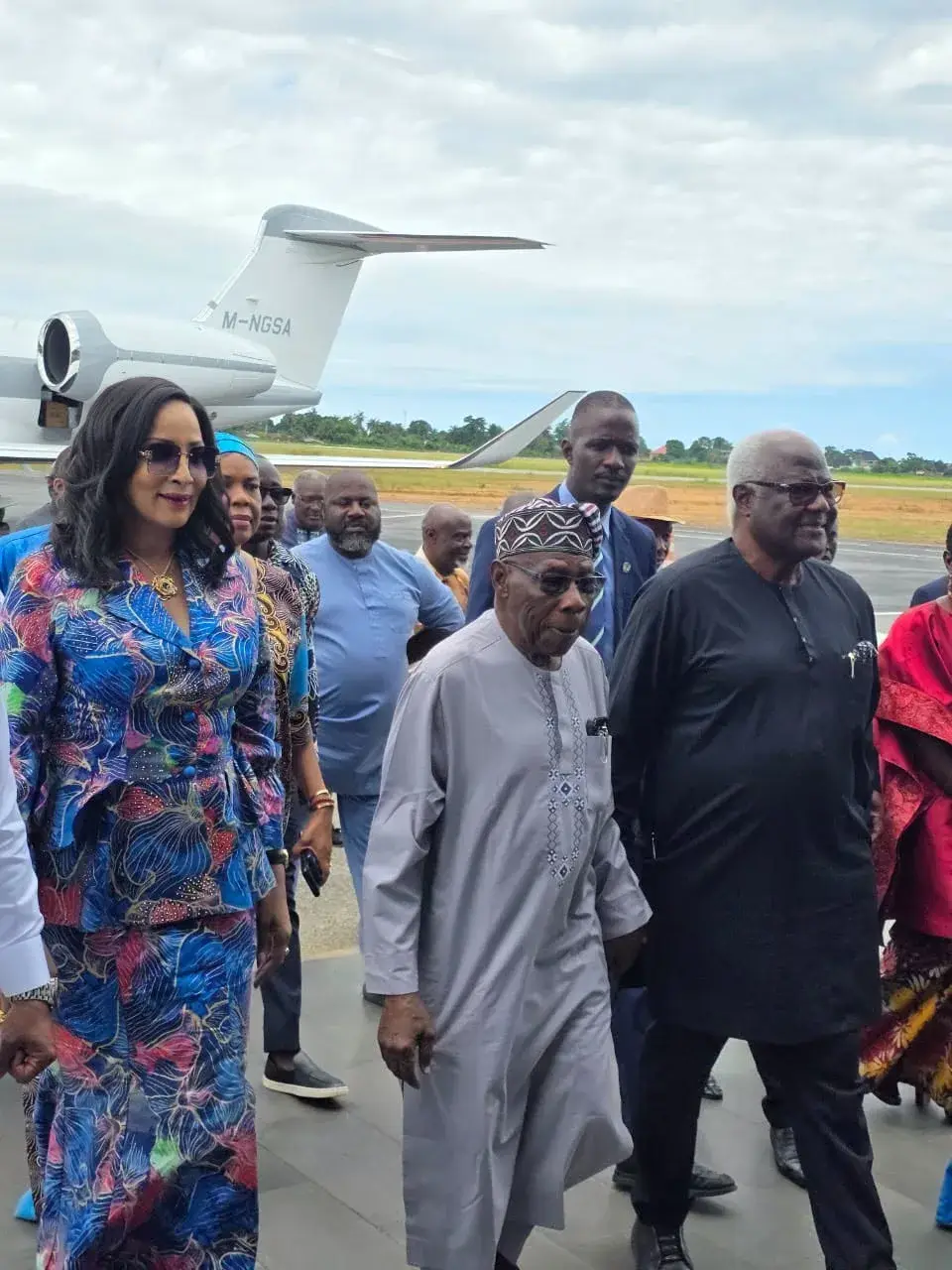
Former Sierra Leone President Koroma Returns Home Under Nigerian Escort
6 Sept 2026
Africa
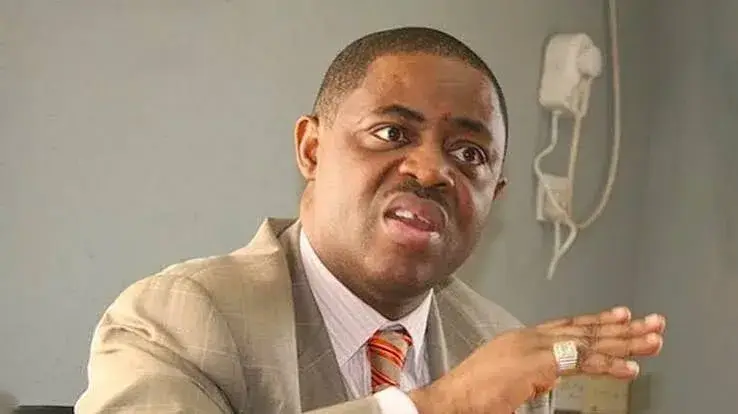
Nigeria–South Africa Tensions Rise as Fani-Kayode Issues Strong Warning
13 Sept 2026
Africa
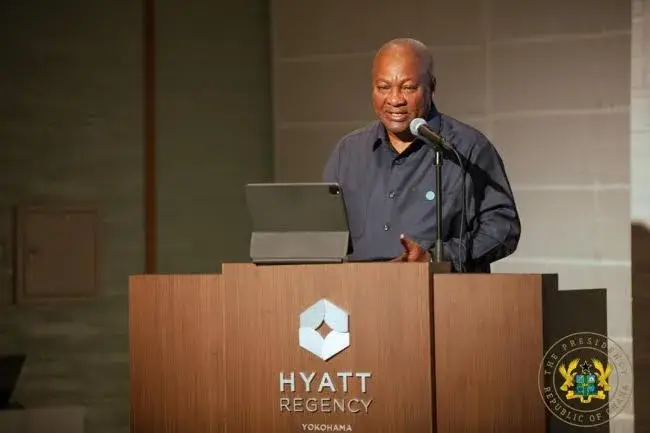
Mahama: Africa’s Youth Need Affordable Finance to Build Businesses
13 Oct 2026
Africa
South Africa Reverses Asylum Policy After Vehicles Burned and Foreign-Owned Shops Looted
10 Oct 2026

Africa
Fatima Ezzahra El Mansouri Makes History as Morocco’s First Female PM
30 Sept 2026
You may also like
Africa
Tigray Declares “Defensive War” as Fighting Escalates in Ethiopia
24 Sept 2026
Africa
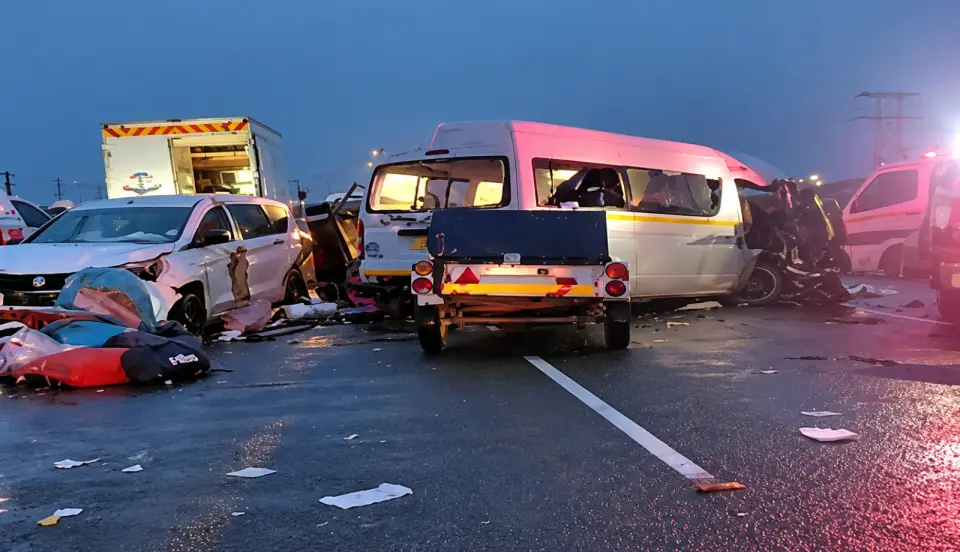
Multi-Car Crash Kills 21 in South Africa’s Western Cape
14 Sept 2026
Africa
Business Forum 2026: Mauritius Pitches Itself as Africa’s Financial Bridge
13 Sept 2026
Africa
Tanzania Mourns Death of First Gentleman Hafidh Ameir Hassan
7 Sept 2026

Africa
Ethiopia, Eritrea Break Diplomatic Ties as Tigray Fighting Escalates
2 Oct 2026
Africa
Kenya’s Ruto Tours Dangote Refinery Ahead of Lamu Refinery Launch
26 Sept 2026