A fierce diplomatic showdown between the Democratic Republic of Congo and Rwanda brought the 20th Francophonie Summit to a standstill on Monday. Member nations failed to agree on who should lead the 90-member cultural and political bloc.
Heads of state meeting in Phnom Penh, Cambodia, chose to postpone the election of the next secretary-general until late 2027. The deadlock followed two days of intense closed-door talks that pushed the summit schedule hours past its deadline.
Under the agreed compromise, Rwanda's Louise Mushikiwabo will remain in office for an additional 12-month transitional period. However, diplomatic officials confirmed that she will not seek re-election when the extraordinary elective summit convenes next year.
A Deadlock at the 20th Francophonie Summit
The summit opened on Sunday under a cloud of deep regional tension. Leaders of the Organisation Internationale de la Francophonie (OIF) gathered to choose a leader for the next four-year term.
Mushikiwabo has led the Paris-based institution since 2018. Rwanda nominated her for a third term, citing her administrative reforms and diplomatic outreach.
Opposition from Kinshasa quickly derailed the election. The Democratic Republic of Congo strongly rejected her candidacy and threatened to leave the organisation entirely if member states re-elected her.
Congo is the second-largest French-speaking nation in the world after France, with over 57 million speakers. A Congolese departure would deliver a severe blow to the credibility and reach of the Francophonie.
Why Kinshasa Threatened to Walk Away
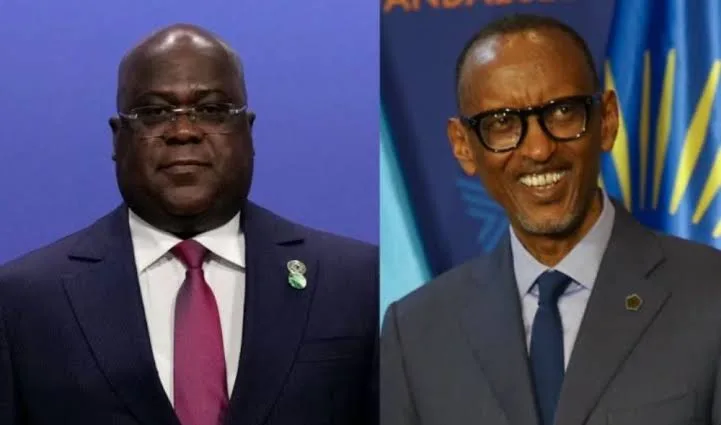
The leadership dispute reflects the brutal conflict in eastern Congo. The Congolese government has long accused Rwanda of arming and backing the M23 rebel group operating in North Kivu province.
Independent panels of United Nations experts and United States officials have documented Rwandan military support for the rebels. Rwanda consistently denies these findings, insisting that Congo is scapegoating Kigali for internal governance and security failures.
Tensions spilled onto the international stage as Congolese President Félix Tshisekedi refused to accept a Rwandan national at the head of the OIF.
Congo initially entered Juliana Amato Lumumba, daughter of independence hero Patrice Lumumba, into the race. On Saturday, Kinshasa withdrew Lumumba's name and backed former Romanian Prime Minister Dacian Cioloș to encourage an alternative consensus.
Failed Compromise and a Historic Postponement
French President Emmanuel Macron attempted to defuse the standoff before the opening ceremonies. Macron asked Rwanda to withdraw Mushikiwabo in favour of a neutral compromise candidate.
Rwandan Foreign Minister Olivier Nduhungirehe publicly rejected that request, insisting that Rwanda would not abandon its nominee under pressure.
By Monday morning, voting members remained divided between holding a formal vote or protecting the tradition of consensus. Since the office of secretary-general was created in 1997, leaders have always appointed its head by unanimous agreement rather than a contested ballot.
Faced with the threat of a damaging institutional walkout, member states agreed to delay the decision for one year.
French officials praised the outcome as a responsible compromise that preserved the unity of the bloc. Congolese Communication Minister Patrick Muyaya welcomed the delay, noting that Congo's concerns were heard clearly across the summit floor.
What the Decision Means for La Francophonie
The postponement marks the first time in OIF history that an election has been frozen because of member conflicts.
Cioloș expressed disappointment after the announcement, calling it a sad day that exposes deep fractures within the community. Former Mauritanian minister Coumba Bâ also remained in contention alongside Cioloș before talks halted.
The 12-month extension allows Mushikiwabo to steer administrative operations while regional mediators work to lower temperatures between Kinshasa and Kigali.
Leaders now face the urgent challenge of rebuilding trust before an extraordinary elective summit in 2027 decides who will take the helm of the French-speaking world.