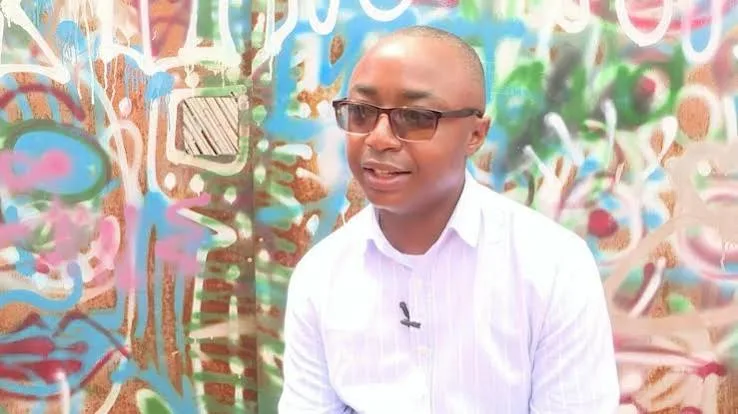
Zimbabwean author Simbarashe Kundizeza has spoken of his immense relief after being completely cleared of allegations that he used generative artificial intelligence to write his prize-winning short story.
The Board of Trustees of the Caine Prize for African Writing reaffirmed Kundizeza as the winner of the prestigious £10,000 ($13,000) literary award. Their decision followed a five-week forensic inquiry into his story, "The Blue Fighter."
Speaking after the ruling, the Harare-based writer said the ordeal was painful and unnecessary. He expressed gratitude that the integrity of his creative process had been fully restored.
How The Atlantic Article Sparked Global Uproar
Kundizeza was originally announced as the 2026 Caine Prize winner on October 6 for "The Blue Fighter," first published in The Shallow Tales Review. The poignant story explores a struggling family’s declining fortunes after a father invests heavily in fighting fish.
The controversy erupted five days later on October 11. US magazine The Atlantic published an essay by journalist Vauhini Vara titled "Yet Another Literary Prizewinner Seems to Be AI."
Vara claimed that Pangram, a commercial AI detection tool, flagged Kundizeza’s story as entirely machine-generated. The allegation ignited fierce debate across social media, casting an immediate shadow over the African literary community.
Kundizeza promptly denied the claims, insisting that every sentence came from his own lived experiences and months of dedicated drafting.
Forensic Draft Analysis and Proven Human Authorship
In response to the public outcry, the Caine Prize board, chaired by Ellah Wakatama OBE, commissioned a thorough independent investigation.
Led by Interim Director Susi Owusu, investigators collaborated with independent cybersecurity and digital forensic experts. They examined Kundizeza's digital footprint and interviewed editors at The Shallow Tales Review.
The inquiry analysed four separate Word documents containing Kundizeza's original drafts. The technical metadata revealed over 27 hours of active writing and editing between April and June 2025.
Records also confirmed extensive communications between Kundizeza and a fellow poet who originally inspired the story's theme. The forensic report concluded that there was zero evidence of generative AI use, proving the work was completely human-written.
Unreliable AI Detectors and Bias Concerns
The clearing of Kundizeza has intensified global scrutiny over automated AI-detection software. Computer scientists and linguistic researchers have repeatedly warned that these tools produce frequent false positives.
In its official ruling, the Caine Prize stated unequivocally that "AI detection tools alone are not a reliable basis for determining authorship."
The episode also sparked a wider backlash from African authors and literary scholars. Critics argued that automated detection tools often penalise writers from the Global South whose idioms, sentence rhythms, and non-Western English styles deviate from standard algorithmic models.
Similar controversies have recently rattled European and Commonwealth literary competitions, exposing deep anxieties as publishers grapple with emerging technologies.
Reclaiming the Prize and New Literary Safeguards
With the review closed, Kundizeza can finally celebrate his landmark achievement without suspicion. The author explained that the cloud over his work had temporarily stolen the joy of winning one of Africa’s top literary honours.
"I am relieved that this matter is resolved," Kundizeza said, expressing hope that future writers will not face similar automated trials.
To protect writers and maintain transparency, the Caine Prize announced new safeguards for its 2027 edition. Publishers and shortlisted authors will now complete formal AI declarations, while judges will receive specialized evaluation guidelines.
Literary observers hope the case sets a vital precedent, ensuring that accusations against human creativity require forensic evidence rather than flawed software scans.