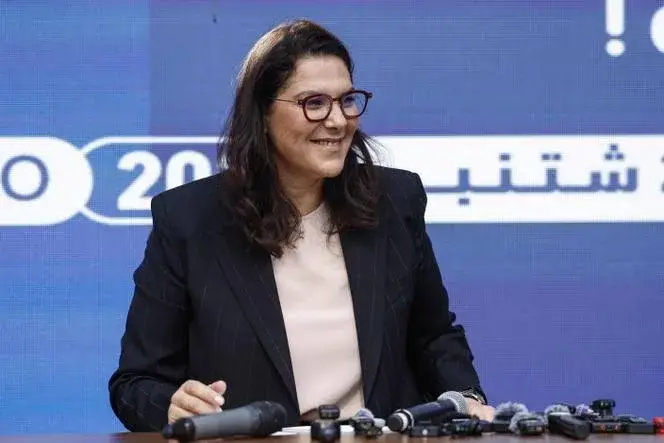
Ghana has achieved widespread adoption of digital wallets and formal banking services, yet broad access has not automatically created lasting financial stability for ordinary citizens. Speaking at a high-level leadership roundtable in Accra, Queen Máxima of the Netherlands called on regulators, commercial banks, and mobile network operators to measure success by whether families can actually weather economic distress and save for future goals.
Addressing central bankers and industry executives, the visiting envoy stressed that opening an account is only the preliminary stage of economic empowerment. Sustained progress requires financial instruments tailored to help households withstand volatile market conditions, plan for retirements, and invest in sustainable income opportunities.
The Reality Behind High Digital Adoption
Ghana stands out across Sub-Saharan Africa for digital adoption, with formal account ownership surpassing 80 percent among adults due to nationwide mobile money interoperability. Despite that milestone, national survey metrics show that only 22 percent of adults in the country meet the criteria for being financially healthy, while 44 percent are barely coping and 34 percent remain financially vulnerable.
A large segment of account holders regularly face difficulties managing irregular earnings, coping with unpredictable medical emergencies, or absorbing climate-driven shocks in the farming sector. Rapid expansion in digital payments has made transferring funds easier, but high consumer borrowing rates and limited micro-insurance coverage leave many households exposed to sudden debt traps.
Four Pillars of Household Financial Wellbeing
The reform agenda outlined in Accra centers on four structural pillars: managing daily expenses smoothly, withstanding unforeseen shocks, investing in long-term goals, and building public confidence in formal institutions.
Meeting these standards requires expanding affordable insurance coverage, designing automated micro-savings instruments, and establishing fair credit terms for smallholders and small-scale entrepreneurs. Central to the discussions was the need for the banking sector to move past transaction volume metrics and establish verifiable consumer-health benchmarks across commercial product lines.
Sector-Wide Policy Reforms and Next Steps
The Bank of Ghana and partner agencies are preparing regulatory guidelines to integrate financial wellness metrics into consumer protection rules. Bilateral discussions held during the Accra mission underscored the importance of channelling digital credit toward productive economic sectors, particularly domestic agriculture and rural processing industries, rather than short-term consumption borrowing.
Sector regulators and commercial providers have agreed to launch working groups focused on workplace financial programs and affordable long-term pension options for informal workers. Follow-up reviews scheduled for early 2027 will evaluate how commercial lenders adjust product structures to improve client resilience.
Tags
Ghana, Queen Máxima, Financial Inclusion, Bank of Ghana, Digital Finance, Economic Development, Africa Banking