Trump Says Iran Faces ‘Economic Destruction’ Unless New Deal Is Reached
The U.S. president says Tehran must reach an agreement or face devastating economic consequences as tensions escalate ahead of the UN General Assembly.
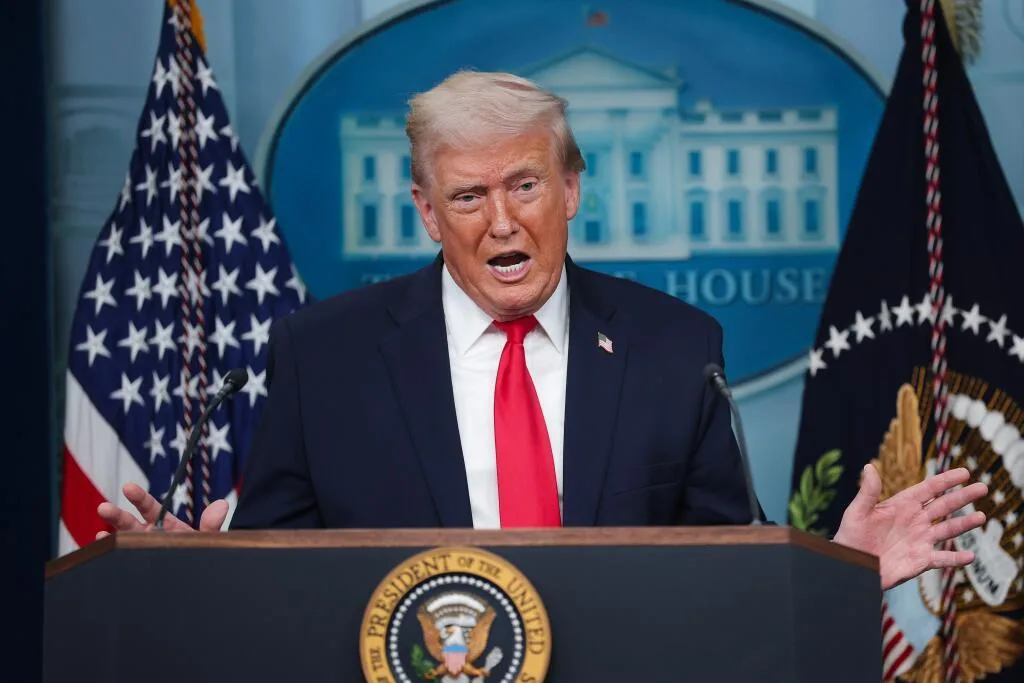
U.S. President Donald Trump has threatened to destroy Iran’s economy or eliminate its leadership if Tehran fails to reach a new agreement with Washington, sharply escalating rhetoric just days before world leaders gather for the 81st United Nations General Assembly in New York.
Speaking to Fox News on Sunday, Trump said the United States had two options if diplomacy failed: “wiping Iran out” or allowing its economy to “rot.” He also revealed that he was open to meeting Iranian President Masoud Pezeshkian during the UN General Assembly, while indicating he had not yet decided whether to authorize further military strikes against Iran.
The comments came as the confrontation between Washington and Tehran entered another dangerous phase. Iran’s military said its intelligence suggested the United States and its allies were preparing a new large-scale attack, prompting fresh warnings of retaliation across the Middle East.
The Khatam al-Anbia Central Headquarters, Iran’s top military command, warned that any U.S. strike would trigger “painful” retaliation against American positions and interests throughout the region. It also cautioned that countries supporting such military action would be treated as parties to the conflict, significantly raising the stakes for U.S. allies in the Gulf.
The latest escalation follows the collapse of a memorandum reached between the two sides in June. Tehran maintains that it will not fully reopen the Strait of Hormuz until Washington fulfills commitments it says were included in that understanding, including easing sanctions, lifting the naval blockade of Iranian ports, unfreezing Iranian assets and ending military threats.
Iranian Parliament Speaker Mohammad Bagher Ghalibaf said on Sunday that the country must continue “fighting and negotiating” simultaneously, arguing that diplomacy is most effective when Iran holds the upper hand on the battlefield. Meanwhile, Iran’s semi-official Tasnim news agency reported that President Pezeshkian is expected to hold meetings with several foreign leaders during the UN General Assembly in New York.
The diplomatic standoff is unfolding alongside heightened regional security concerns. The U.S. State Department has issued a security alert urging Americans across the Middle East to remain vigilant, warning of possible flight cancellations, airspace closures and unforeseen escalation. The advisory followed claims by Iran-backed Houthi militants that they had launched missile and drone attacks on Riyadh over the weekend.
Saudi authorities said they intercepted and destroyed a ballistic missile, reporting no casualties or damage. Coalition spokesperson Major-General Turki al-Maliki said the Houthis had attempted to target civilians and critical infrastructure, but Saudi air defenses successfully thwarted the attacks.
Despite widening hostilities, global oil prices have eased modestly in recent days as traders anticipate the gradual recovery of Saudi energy shipments. Brent crude fell 1.7% to $102.15 per barrel, while U.S. West Texas Intermediate declined 1.8% to $98.46. Analysts at Eurasia Group said prices are nevertheless likely to remain elevated, forecasting Brent crude to trade between $90 and $110 per barrel through the remainder of the year because recovering oil flows alone would not eliminate broader supply deficits.
As world leaders prepare to convene in New York, the possibility of a face-to-face encounter between Trump and Pezeshkian offers a narrow diplomatic opening. Yet with both governments coupling negotiations with military threats, the coming days may determine whether the crisis moves toward renewed dialogue or a deeper regional confrontation with global economic consequences.
More on Global
Global
U.S. House Votes to Rein In Trump’s War Powers Over Iran
16 Sept 2026
Global
Trump Approves $2.8 Billion Arms Sale to Israel Amid Rising Middle East Tensions
16 Sept 2026
Global
Trump Signs Russia Sanctions Bill, But Keeps Door Open for Strategic Deals
19 Sept 2026
Global
U.S. to Let Iranian Leaders Attend U.N. General Assembly Despite Wartime Tensions
17 Sept 2026
Global
U.S. Denies Visas to Palestinian Officials Ahead of U.N. General Assembly
16 Sept 2026
You may also like
Global
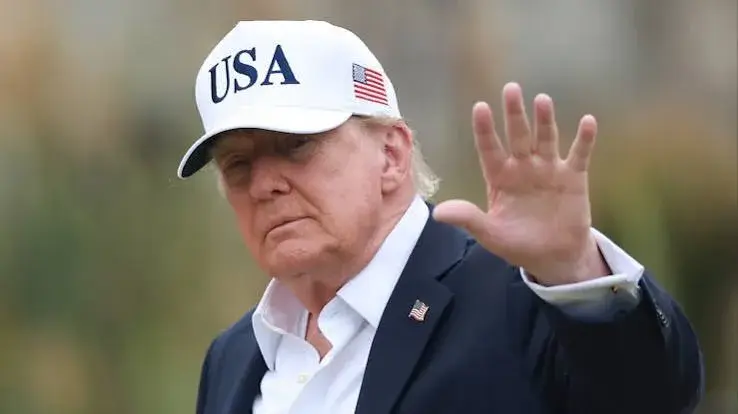
Trump Rejects AI Slowdown Calls, Says U.S. Must Stay Ahead of China
13 Sept 2026
Global
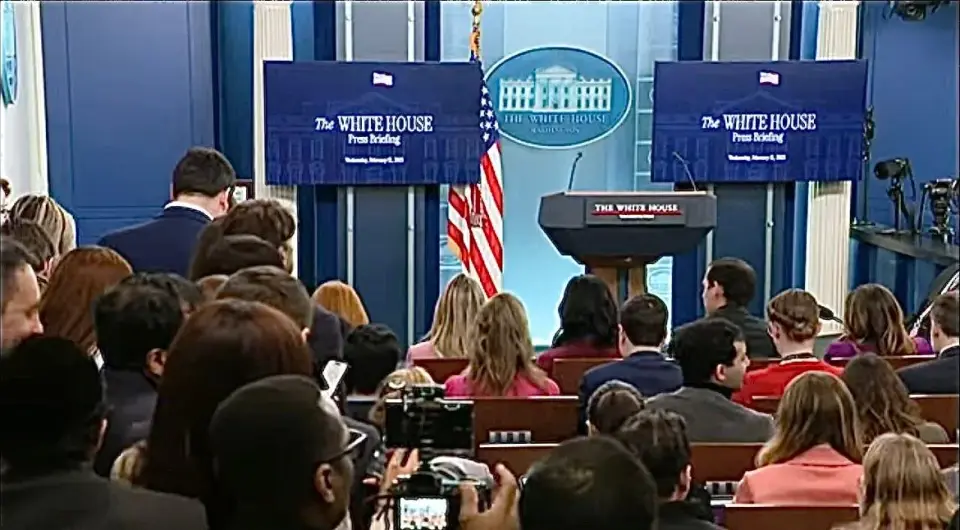
White House Strips CNN of Monday Pool Assignment After Trump Ban
21 Sept 2026

Global
CNN, MS NOW and Politico Reporters Denied White House Access After Trump’s Ban
19 Sept 2026
Global
Trump doubles down on United Ireland, calls reunification “natural”
14 Sept 2026
Global
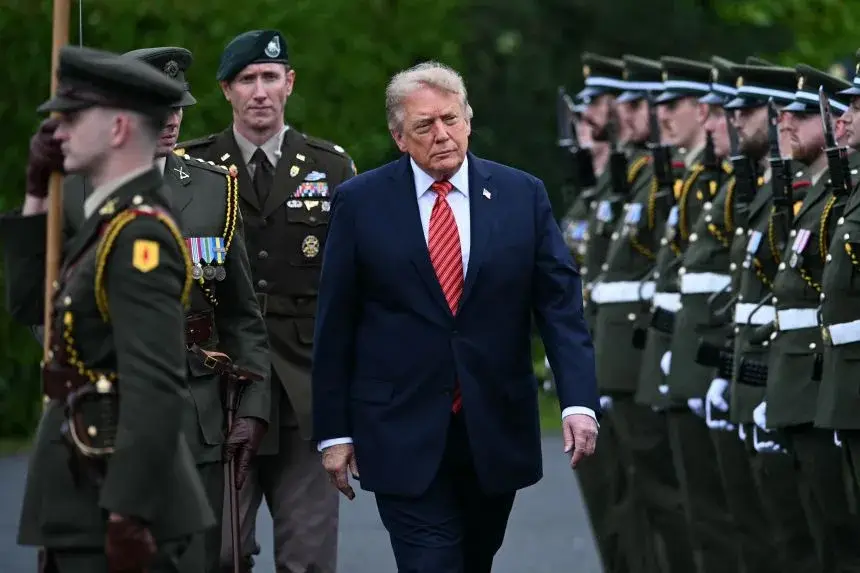
Trump Begins Two-Day Ireland Visit with Taoiseach Meeting and Irish Open Stop
13 Sept 2026
Global
Atiku Calls for Lower Fuel Prices as Cost-of-Living Pressure Mounts
21 Sept 2026