
CNN, MS NOW and Politico Reporters Denied White House Access After Trump’s Ban
The journalists were turned away on Saturday morning, hours after President Donald Trump announced on Truth Social that the three news outlets were barred from the White House.
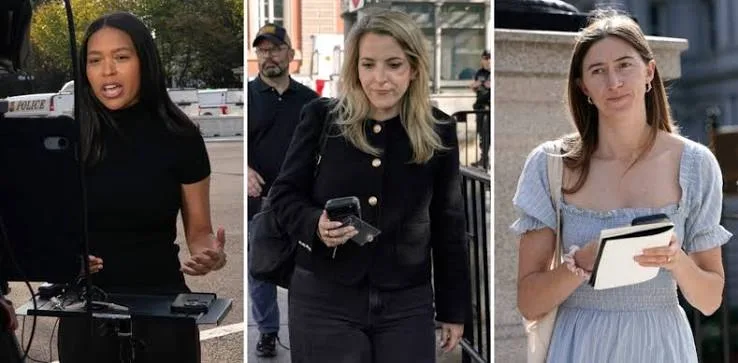
White House reporters from CNN, MS NOW and Politico were denied access to the White House on Saturday morning, marking the first enforcement of President Donald J. Trump’s announcement that the three news organizations had been banned over reporting he said was “fiction and lies.”
Among the journalists affected were Betsy Klein, CNN’s Senior White House Reporter; Akayla Gardner, White House Reporter for MS NOW; and Cheyenne Haslett, Politico’s White House correspondent. According to the reporters and their employers, their White House credentials had been deactivated before they arrived for work, and Gardner and Haslett said their badges were confiscated after security officers informed them they could no longer enter the presidential complex.
The access denial came less than a day after Trump posted on Truth Social that CNN, MS NOW and Politico were “banned from the White House, effective immediately.” In the post, the president accused the outlets of repeatedly publishing “fake news,” arguing that media organizations should not be allowed to “constantly write or report fiction and lies” about his administration. He also suggested that additional news organizations could face similar restrictions.
The White House has defended the move as part of a broader overhaul of presidential media access. Administration officials argue that the executive branch has the authority to determine participation in the rotating White House press pool and other restricted presidential events, saying the previous system gave disproportionate influence to a small group of legacy media organizations.
The affected outlets have strongly rejected the administration’s action. CNN said its journalists would continue covering the presidency and described the exclusion of credentialed reporters because of their editorial coverage as incompatible with constitutional protections for a free press. Politico likewise said it would continue reporting on the White House while defending its First Amendment rights.
The dispute is the latest escalation in Trump’s long-running confrontation with major American media organizations. Earlier tensions over White House access, including changes to the traditional press pool system and legal battles involving other news outlets, had already raised broader questions about whether the executive branch can reshape longstanding press access arrangements that were historically coordinated by the White House Correspondents’ Association.
Legal scholars note that while the White House has significant authority over security and logistics within the presidential complex, excluding journalists primarily because of the content of their reporting is likely to face constitutional scrutiny under the First Amendment. Any legal challenge is expected to focus on whether the administration’s new access policy constitutes viewpoint discrimination against protected press activity.
The confrontation now extends beyond a dispute over media credentials. It has become a broader test of the relationship between presidential authority, government transparency and the constitutional role of an independent press—an issue that could ultimately be decided in the courts rather than the White House briefing room.
More on Global
Global
Trump Says CNN, MS NOW and Politico Are Banned From the White House
19 Sept 2026
Global
U.S. House Votes to Rein In Trump’s War Powers Over Iran
16 Sept 2026
Global
Trump Announces AI Force and White House AI Czar While Rejecting New AI Guardrails
20 Sept 2026
Global
Trump Approves $2.8 Billion Arms Sale to Israel Amid Rising Middle East Tensions
16 Sept 2026
Global
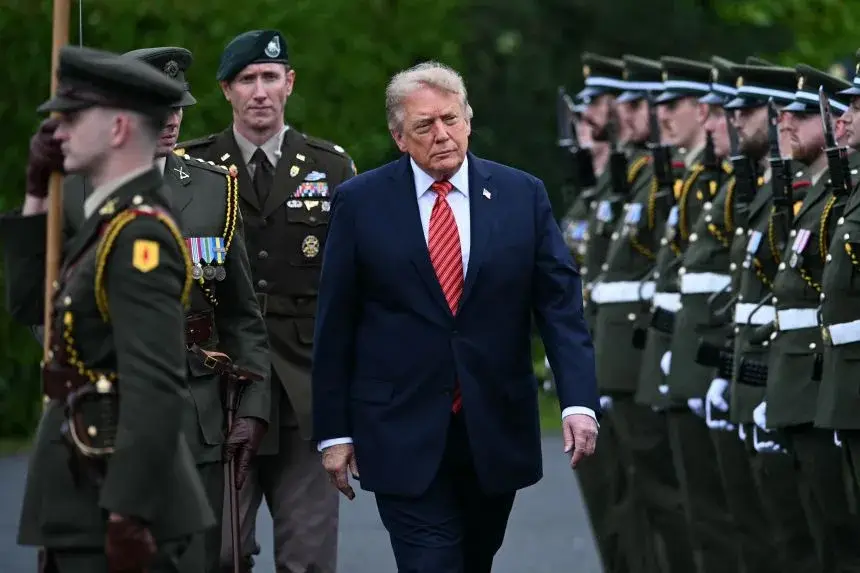
Trump Begins Two-Day Ireland Visit with Taoiseach Meeting and Irish Open Stop
13 Sept 2026
You may also like
Global
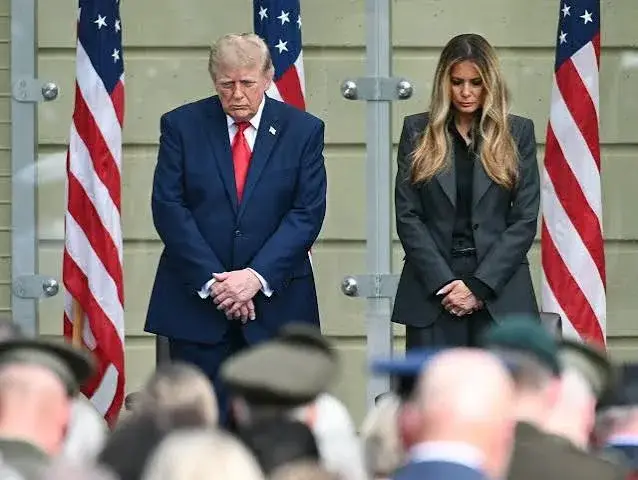
25 Years After 9/11, Trump Says Iran Fight Is Part of the Same Mission
12 Sept 2026
Global
Trump Signs Russia Sanctions Bill, But Keeps Door Open for Strategic Deals
19 Sept 2026
Global
Trump doubles down on United Ireland, calls reunification “natural”
14 Sept 2026
Global
Trump Rejects AI Slowdown Calls, Says U.S. Must Stay Ahead of China
13 Sept 2026

Global
Trump Promises $5,000 to Every Adult if Republicans Win Congress
10 Sept 2026
Global
U.S. to Let Iranian Leaders Attend U.N. General Assembly Despite Wartime Tensions
17 Sept 2026