
U.S. House Votes to Rein In Trump’s War Powers Over Iran
The U.S. House passed a War Powers resolution directing President Donald Trump to end military action against Iran unless Congress authorizes it, reigniting the debate over presidential war powers.
The U.S. House of Representatives has passed a resolution directing President Donald Trump to cease military operations against Iran unless he first obtains explicit authorization from Congress, reopening a constitutional debate over who has the power to take the United States into war.
The measure, adopted after hours of heated debate, invokes the War Powers Resolution of 1973, a law designed to limit a president’s ability to engage U.S. forces in prolonged hostilities without congressional approval. While the resolution does not immediately end existing military deployments, it requires the administration to halt unauthorized military action against Iran unless Congress declares war or grants specific legal authorization.
Supporters of the resolution argued that decisions involving war should not rest solely with the executive branch. Lawmakers from both parties said the vote was about protecting Congress’s constitutional role rather than taking a position for or against Iran, insisting that military escalation must be subject to democratic oversight.
The White House has pushed back, maintaining that the president already possesses constitutional authority as commander-in-chief to respond to threats against U.S. personnel and national security interests. Administration officials have argued that recent military actions were defensive in nature and fell within the president’s existing powers.
The vote follows weeks of heightened tensions between Washington and Tehran, including U.S. strikes on Iranian-linked targets and growing fears that the confrontation could widen into a broader regional conflict. Those developments prompted renewed calls in Congress for greater transparency over military objectives and the legal basis for continued operations.
Although the House resolution represents a significant political rebuke, its practical impact remains uncertain. Any binding restriction would still face obstacles in the Senate, and President Trump could veto legislation if it reaches his desk. Legal scholars also note that War Powers disputes have historically produced prolonged clashes between Congress and successive presidents rather than clear judicial resolutions.
The debate reflects a long-running tension in American government over the balance between rapid military decision-making and congressional authority. As instability in the Middle East continues to shape U.S. foreign policy, the House’s action underscores a broader question that extends beyond Iran: who ultimately decides when America goes to war?
More on Global
Global
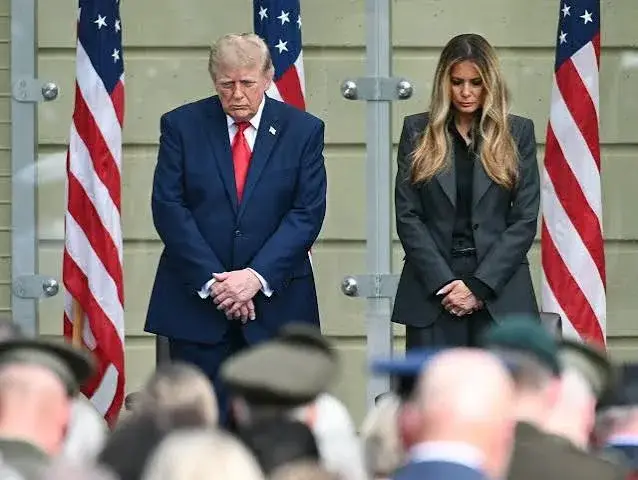
25 Years After 9/11, Trump Says Iran Fight Is Part of the Same Mission
12 Sept 2026
Global
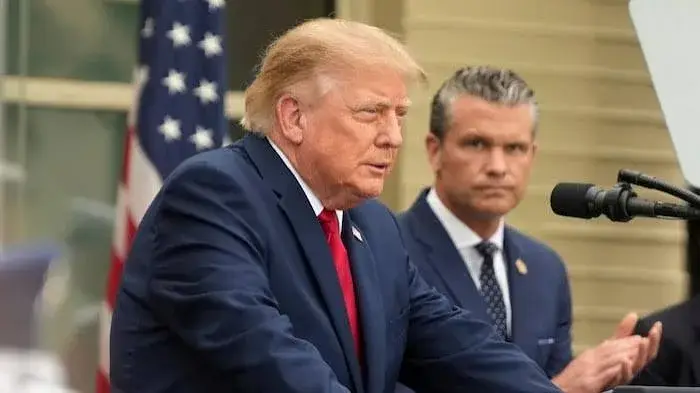
Trump Approves $2.8 Billion Arms Sale to Israel Amid Rising Middle East Tensions
16 Sept 2026

Global
Trump Promises $5,000 to Every Adult if Republicans Win Congress
10 Sept 2026
Global
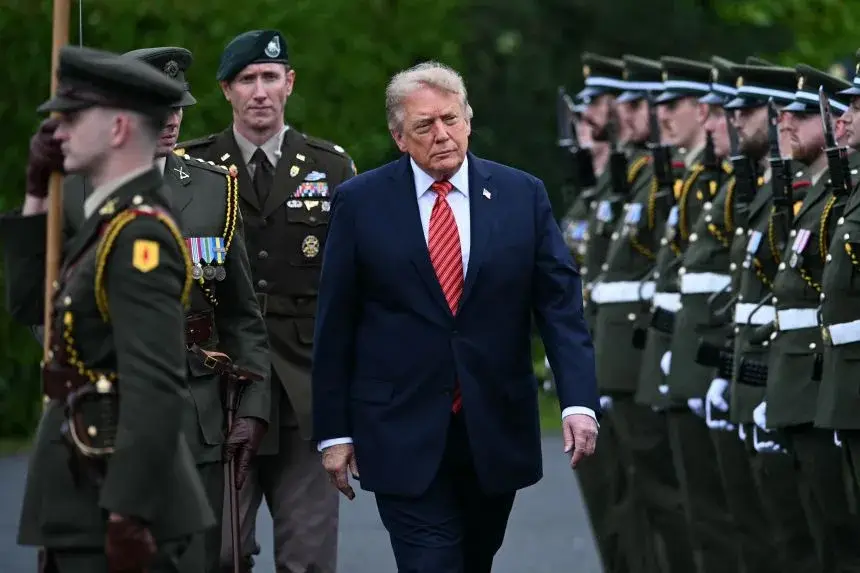
Trump Begins Two-Day Ireland Visit with Taoiseach Meeting and Irish Open Stop
13 Sept 2026
Global
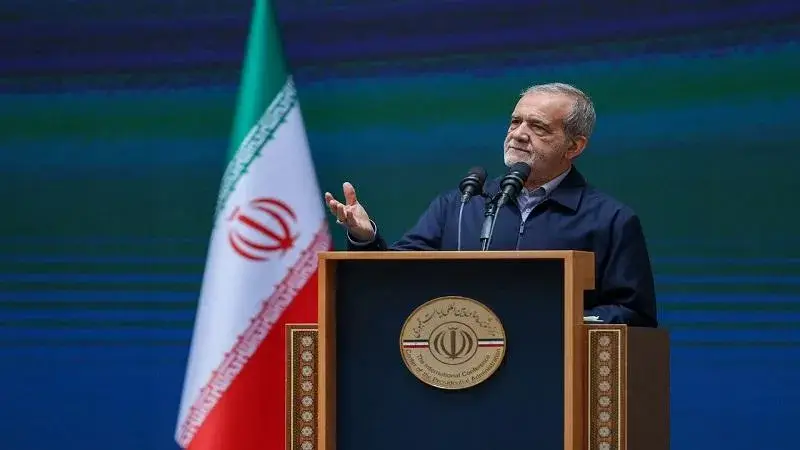
Iran’s President Calls for National Solidarity Amid Fresh US Sanctions
6 Sept 2026
You may also like
Global
Trump doubles down on United Ireland, calls reunification “natural”
14 Sept 2026
Global
Trump Rejects AI Slowdown Calls, Says U.S. Must Stay Ahead of China
13 Sept 2026
Global
BRICS Summit 2026: Nigeria Calls for UN Security Council and Global Financial Reform
14 Sept 2026

Global
Zelensky Expects War to Continue Into Winter as Peace Talks Stall
7 Sept 2026
Global
Mark Carney Says Canada Is Pursuing a ‘Unique Alliance’ With the EU Amid US Trade War
15 Sept 2026
Global
Harry and Meghan Move Archie and Lilibet to New School Over Security Fears
15 Sept 2026