BRICS Summit 2026: Nigeria Calls for UN Security Council and Global Financial Reform
President Bola Tinubu has urged BRICS nations to reform the UN Security Council and international financial system while positioning Nigeria as Africa’s gateway for investm
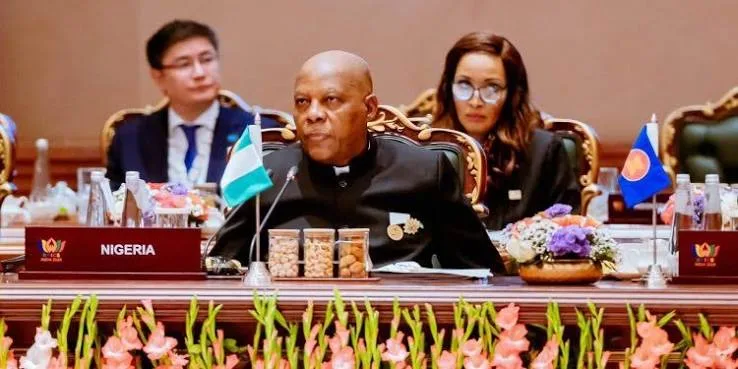
NEW DELHI — President Bola Tinubu has renewed Nigeria’s call for a comprehensive overhaul of the United Nations Security Council and international financial institutions, urging BRICS nations to lead the push for a more representative and equitable global order.
Addressing leaders at the 2026 BRICS Summit in New Delhi through Vice President Kashim Shettima, Tinubu said the transformation championed by the expanded BRICS bloc must extend beyond economics to the architecture of global governance. He argued that institutions created after the Second World War no longer reflect contemporary demographic, economic and geopolitical realities.
“Nigeria supports a more representative, equitable and responsive global governance architecture, including reform of the United Nations Security Council and the international financial system,” Tinubu said, adding that BRICS had become an important platform for amplifying the voice of the Global South.
The President’s intervention aligns with one of the summit’s central themes: reshaping multilateral institutions to give developing nations greater influence in global decision-making. BRICS leaders reaffirmed support for expanding the Security Council and increasing the representation of Africa, Asia and Latin America, while recognizing Africa’s long-standing demand for permanent representation through the Ezulwini Consensus.
Beyond institutional reform, Tinubu used the summit to position Nigeria as a strategic investment destination for BRICS economies. He invited foreign investors to see the country as a gateway to Africa’s rapidly expanding market under the African Continental Free Trade Area (AfCFTA), describing economic resilience as the ability to withstand global shocks while creating sustainable opportunities for citizens.
He said his administration’s Renewed Hope Agenda is anchored on reforms designed to restore macroeconomic stability, diversify production, expand infrastructure, strengthen human capital and attract private-sector investment. According to the President, those policies are intended to drive long-term industrial growth while improving climate resilience and productivity.
Tinubu also outlined sectors where Nigeria hopes to deepen cooperation with BRICS members, including trade, agriculture, food security, energy, infrastructure, manufacturing, healthcare and critical minerals. He emphasized that partnerships should priorities technology transfer, local value addition, industrial capacity and job creation rather than simply exporting raw materials.
A significant part of Nigeria’s message focused on the digital economy. Tinubu described the country’s youthful population as its greatest competitive advantage and highlighted ongoing investments in digital skills, entrepreneurship, artificial intelligence and research through initiatives such as the 3 Million Technical Talent (3MTT) programme, Project BRIDGE and national AI strategies.
“We welcome deeper BRICS cooperation in artificial intelligence, digital public infrastructure, fintech, telecommunications, cybersecurity, biotechnology and advanced manufacturing,” he said. “A nation that owns no technology risks renting its future.”
The summit comes as BRICS continues to expand its influence as a coalition of emerging economies seeking greater leverage in global finance, trade and diplomacy. For Nigeria, which joined the bloc as a partner country, the gathering offers an opportunity to shape conversations on development while strengthening economic ties with some of the world’s fastest-growing markets. Reuters
While reforming the UN Security Council remains politically complex and requires broad international consensus, Nigeria’s latest appeal underscores a broader shift in global politics. As emerging economies demand institutions that better reflect the 21st century, the debate is increasingly moving from whether reform is necessary to how and when it can finally be achieved.
More on Global

Global
BRICS Summit Opens in New Delhi as Leaders Push for a Stronger Global South
11 Sept 2026
Global
Iran’s President Calls for National Solidarity Amid Fresh US Sanctions
6 Sept 2026
Global
UN Adopts Africa-Led Proposal for New World Map Showing the Continent’s True Size
5 Sept 2026
Global
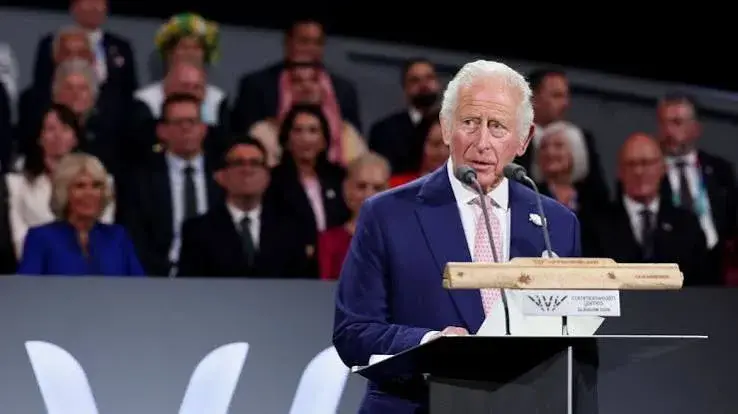
Buckingham Palace Hosts Global AI Summit on Safety and Responsible Innovation
14 Sept 2026
Global
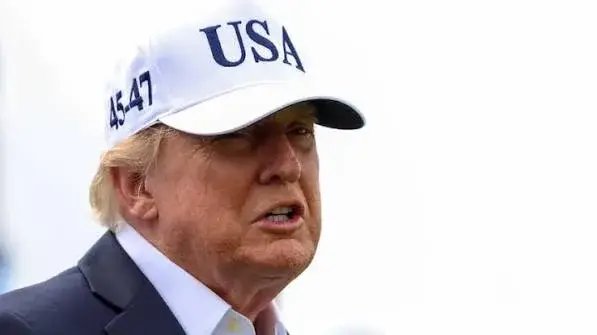
Trump doubles down on United Ireland, calls reunification “natural”
14 Sept 2026
You may also like
Global
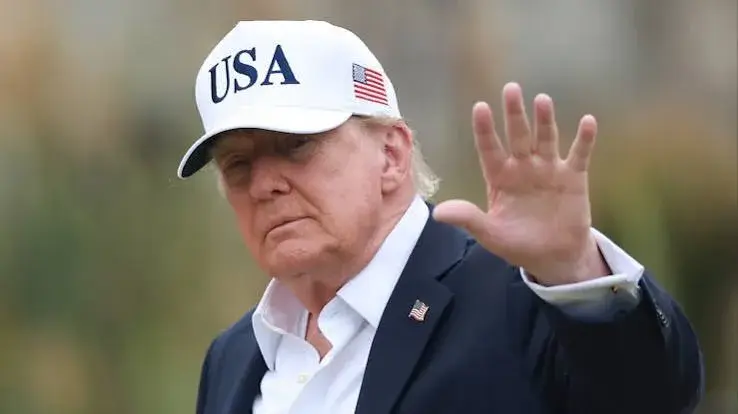
Trump Rejects AI Slowdown Calls, Says U.S. Must Stay Ahead of China
13 Sept 2026
Global
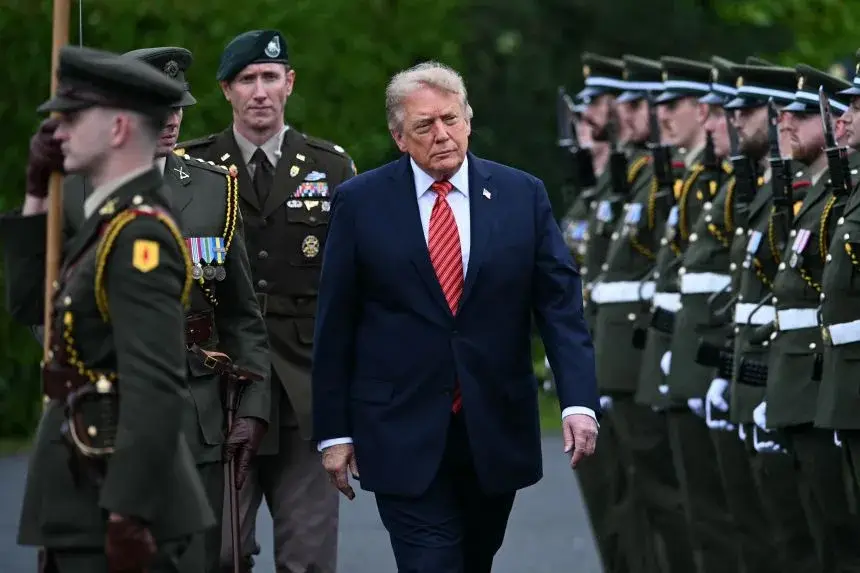
Trump Begins Two-Day Ireland Visit with Taoiseach Meeting and Irish Open Stop
13 Sept 2026
Global
25 Years After 9/11, Trump Says Iran Fight Is Part of the Same Mission
12 Sept 2026

Global
Russia and North Korea Inaugurate First-Ever Highway Border Crossing
10 Sept 2026
Global
UAE, Saudi Arabia, Türkiye and Five Others Back Britain’s Settlement Goods Ban
9 Sept 2026
Global
UK, France and Canada to Sanction West Bank Settlers as US Opts Out
9 Sept 2026