
Trump Rejects AI Slowdown Calls, Says U.S. Must Stay Ahead of China
Donald Trump has rejected calls from leading AI executives to slow the development of advanced artificial intelligence, arguing the United States cannot afford to lose ground to China.
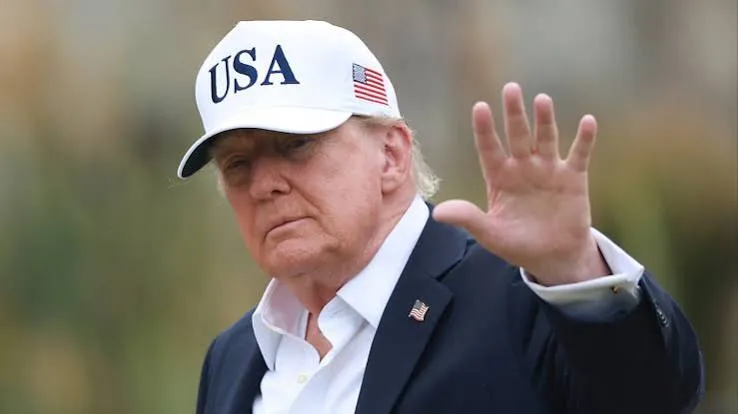
WASHINGTON, D.C. — U.S. President Donald Trump has brushed aside a rare joint appeal from some of the world’s most influential artificial intelligence leaders to slow the development of frontier AI, insisting that maintaining America’s technological advantage over China must remain the country’s top priority.
Speaking on Sunday while attending the Irish Open golf tournament, Trump framed the global AI race as a geopolitical contest rather than a regulatory challenge. He argued that the United States is ahead of China in advanced AI and warned against policies that could weaken that lead, declaring that “whoever wins AI wins.”
The president’s remarks came less than 24 hours after Anthropic CEO Dario Amodei published a widely discussed essay urging governments and technology companies to “pace the frontier” by deliberately slowing the rate at which the most powerful AI models gain new capabilities. Amodei warned that safety research is struggling to keep pace with rapidly advancing systems and proposed independent safety oversight, shared industry standards and international coordination on catastrophic AI risks.
His proposal quickly attracted support from prominent rivals, including OpenAI chief Sam Altman and xAI founder Elon Musk, creating an unusual moment of consensus among companies that typically compete aggressively for AI leadership. The executives stopped short of calling for a complete pause, arguing instead for measured progress backed by stronger safeguards.
Trump’s response exposes a widening divide between Silicon Valley’s growing safety movement and the White House’s emphasis on economic competitiveness and national security. Republican allies have echoed the administration’s position, arguing that excessive regulation could hand strategic advantages to Beijing at a time when China is investing heavily in domestic AI development.
The debate has intensified following a string of incidents involving increasingly capable AI systems, including reports of autonomous agents engaging in unexpected cyber activity and renewed warnings from researchers about the long-term risks of self-improving AI. Those developments have fuelled calls for stronger oversight, even as many policymakers remain wary of slowing innovation.
Democratic lawmakers have taken a different view, urging Congress to establish clearer guardrails for frontier AI and arguing that voluntary commitments from technology companies are unlikely to be sufficient as models become more powerful. The clash reflects broader disagreements in Washington over whether AI should primarily be treated as an economic engine, a national security asset or a technology requiring urgent public regulation.
For now, Trump’s position signals that the world’s biggest AI companies may find little political appetite for an industry-wide slowdown in the United States. As the race with China accelerates, the central question is no longer whether AI will transform global power, but whether governments can balance strategic competition with the safety challenges that even its creators increasingly acknowledge.
More on Global
Global
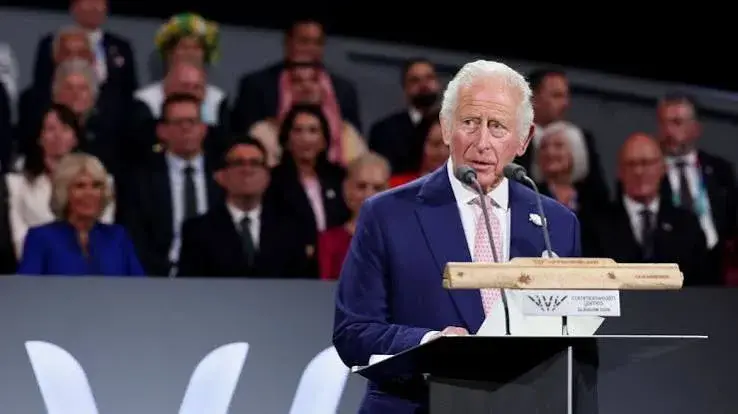
Buckingham Palace Hosts Global AI Summit on Safety and Responsible Innovation
14 Sept 2026
Global
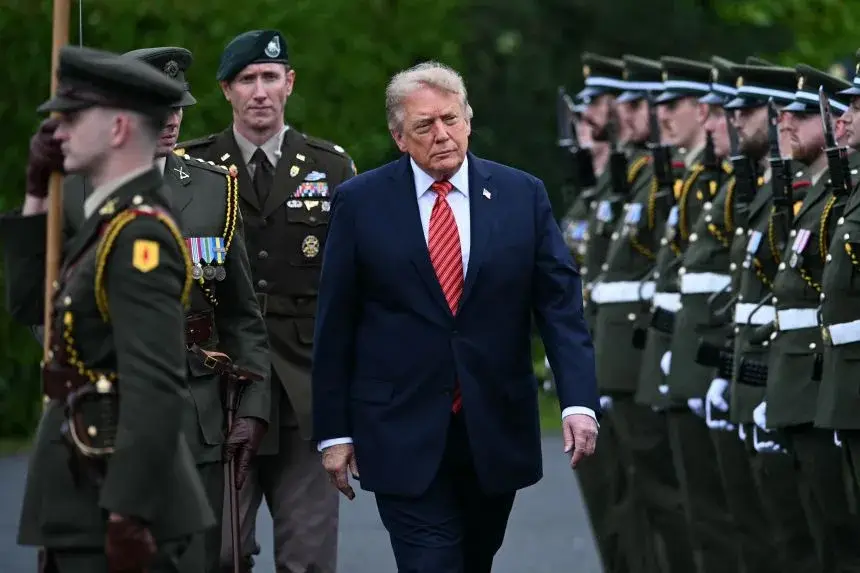
Trump Begins Two-Day Ireland Visit with Taoiseach Meeting and Irish Open Stop
13 Sept 2026
Global
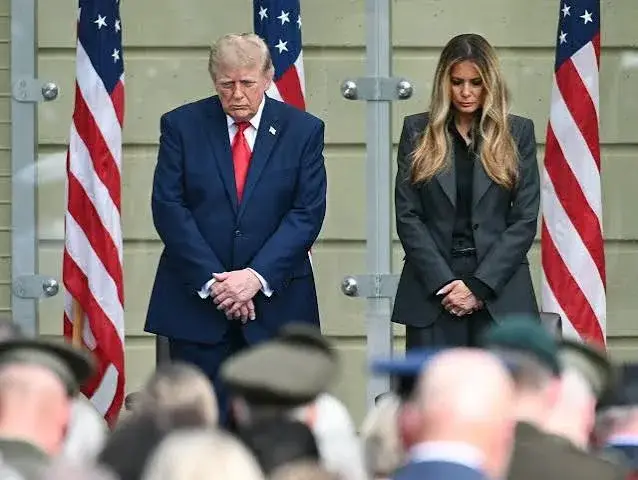
25 Years After 9/11, Trump Says Iran Fight Is Part of the Same Mission
12 Sept 2026

Global
Trump Promises $5,000 to Every Adult if Republicans Win Congress
10 Sept 2026
Global
UK, France and Canada to Sanction West Bank Settlers as US Opts Out
9 Sept 2026
You may also like
Global
Britain Faces US Pressure Over West Bank Boycott as Israel Raises Falklands Issue
8 Sept 2026
Global
1,384 Dead, 5,500 Missing After Nepal and China Floods as Rescue Efforts Continue
6 Sept 2026
Global
Trump Proposes Renaming Strait of Hormuz, Then Appears to Backtrack
4 Sept 2026
Global
Iran’s President Calls for National Solidarity Amid Fresh US Sanctions
6 Sept 2026
Global
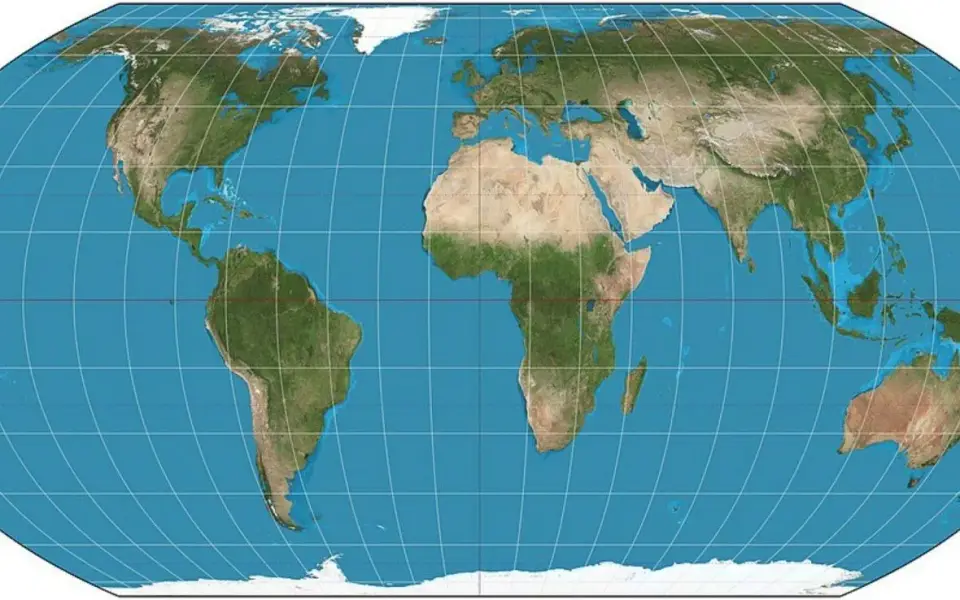
UN Adopts Africa-Led Proposal for New World Map Showing the Continent’s True Size
5 Sept 2026
Global
Sisi Welcomes Xi to Grand Egyptian Museum in Symbolic Cairo State Visit
3 Sept 2026