
Britain Faces US Pressure Over West Bank Boycott as Israel Raises Falklands Issue
A growing diplomatic dispute has drawn Britain, the United States and Israel into a row over West Bank settlements, trade policy and the future of the Falkland Islands.
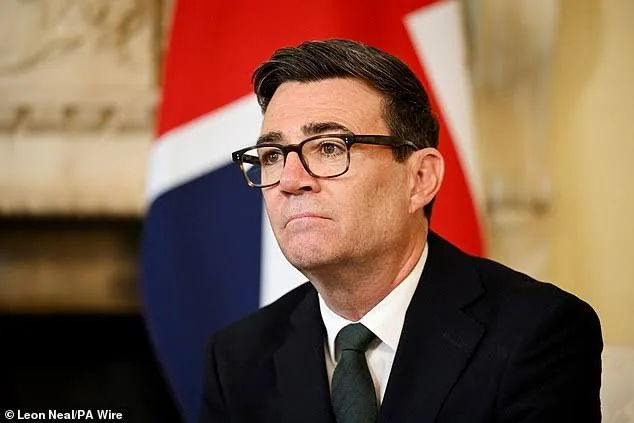
Britain’s newly elected Prime Minister Andy Burnham has become embroiled in his first major foreign policy confrontation after his government announced plans to ban trade in goods produced in Israeli settlements in the occupied West Bank, prompting criticism from the United States and threats of diplomatic retaliation from Israel.
The proposed measures, expected to be formally presented in Parliament by Foreign Secretary Ed Miliband, would prohibit imports from Israeli settlements that Britain considers illegal under international law. The Burnham government says the policy is intended to support a two-state solution and respond to continued settlement expansion, particularly around the controversial E1 development east of Jerusalem.
The announcement has drawn a swift response from Washington. Republican lawmakers and pro-Israel voices have accused Burnham’s administration of unfairly targeting Israel, with some warning that British companies could face economic consequences under anti-boycott laws in several US states. While no official sanctions have been announced by the White House, the dispute has heightened tensions between two of Britain’s closest allies.
Israel has reacted even more forcefully. Senior Israeli officials condemned the planned trade ban, while some ministers suggested Jerusalem could strengthen support for Argentina’s claim over the Falkland Islands as a symbolic response to Britain’s stance. Although no formal change in Israeli policy has been announced, the remarks underline the rapidly deteriorating relationship between London and Jerusalem.
Burnham, who became Prime Minister in July after winning the Labour leadership, has positioned his government as taking a firmer line on Israeli settlement policy than previous administrations. Downing Street insists the measures distinguish between Israel and settlements in occupied territory, maintaining that Britain continues to support Israel’s security while opposing settlement expansion.
The legal basis for the move reflects Britain’s longstanding position that Israeli settlements in the occupied West Bank are illegal under international law, a view shared by much of the international community but rejected by Israel, which disputes that interpretation. Previous British governments had issued guidance discouraging trade with settlements; Burnham’s proposal goes further by seeking an outright prohibition.
The dispute also comes at a delicate moment for UK diplomacy. Burnham recently held talks with US President Donald Trump on Ukraine and broader transatlantic cooperation, making the emerging disagreement over Israel one of the earliest tests of the new government’s relationship with Washington.
Beyond the immediate political fallout, the row highlights how trade policy has become an increasingly powerful diplomatic tool. Burnham’s proposed settlement ban is not only reshaping Britain’s Middle East policy, it is also exposing the complex balance between international law, strategic alliances and the economic consequences of taking a tougher stance on one of the world’s most enduring conflicts.