
Trump Signs Russia Sanctions Bill, But Keeps Door Open for Strategic Deals
The new U.S. law tightens pressure on Moscow even as President Trump says diplomacy and economic engagement remain possible.
WASHINGTON, D.C. — U.S. President Donald J. Trump has signed a sweeping sanctions bill targeting Russia, reinforcing Washington’s economic pressure over Moscow’s continued war in Ukraine while simultaneously signalling that the United States is prepared to pursue negotiated agreements and strategic economic deals if conditions permit.
The legislation expands U.S. sanctions authorities against Russia’s financial, energy and defence sectors, making it more difficult for individuals and entities accused of supporting Moscow’s military efforts to access American markets and financial systems. The measure also strengthens the legal framework for imposing penalties on businesses and third countries found to be helping Russia circumvent existing sanctions.
Speaking after signing the bill, Trump described the sanctions as a tool to increase leverage rather than an end in themselves. He said the United States would continue seeking opportunities for diplomacy and indicated that future economic cooperation with Russia was not being ruled out if meaningful progress were made toward ending the conflict.
That dual-track approach has drawn attention in Washington and among U.S. allies. While the administration is tightening punitive measures, it is also presenting itself as open to transactional negotiations that could include security arrangements, trade discussions or broader geopolitical agreements, depending on developments in the Russia-Ukraine war.
Supporters of the legislation argue that stronger sanctions are necessary to weaken Russia’s capacity to finance its military campaign and to deter sanctions evasion. Critics, however, caution that broad economic penalties can have unintended consequences for global energy markets and for countries that maintain commercial ties with both Washington and Moscow.
The latest move comes amid continuing international efforts to reshape pressure on Russia through coordinated Western sanctions. Since the invasion of Ukraine, the United States, the European Union and other allies have imposed multiple rounds of restrictions targeting Russian banks, energy exports, technology imports and prominent individuals linked to the Kremlin.
For businesses and governments worldwide, Trump’s decision sends a nuanced message: the United States is intensifying legal and economic pressure on Russia, but it is also preserving diplomatic flexibility. Whether that strategy produces meaningful negotiations or simply raises the stakes in an already complex geopolitical conflict will depend on how Moscow, Kyiv and America’s allies respond in the months ahead.
More on Global
Global
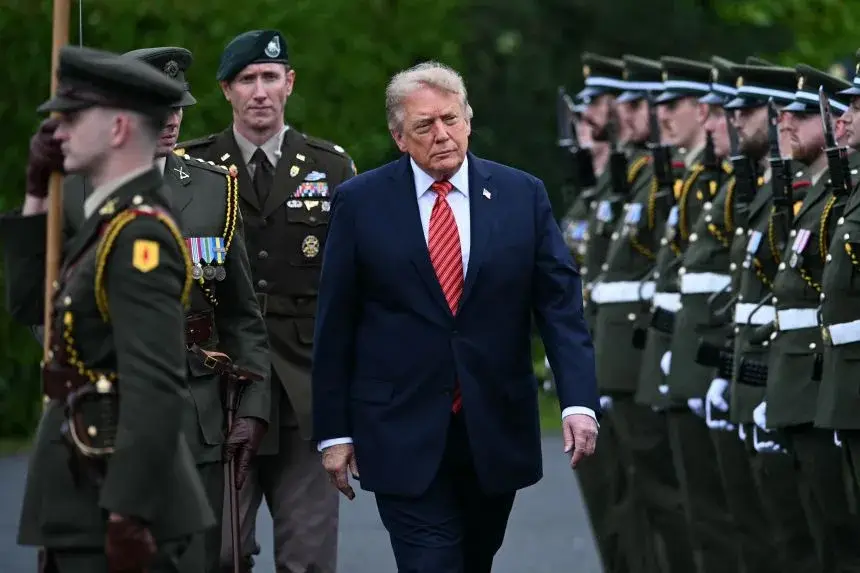
Trump Begins Two-Day Ireland Visit with Taoiseach Meeting and Irish Open Stop
13 Sept 2026

Global
Russia and North Korea Inaugurate First-Ever Highway Border Crossing
10 Sept 2026
Global
U.S. House Votes to Rein In Trump’s War Powers Over Iran
16 Sept 2026
Global
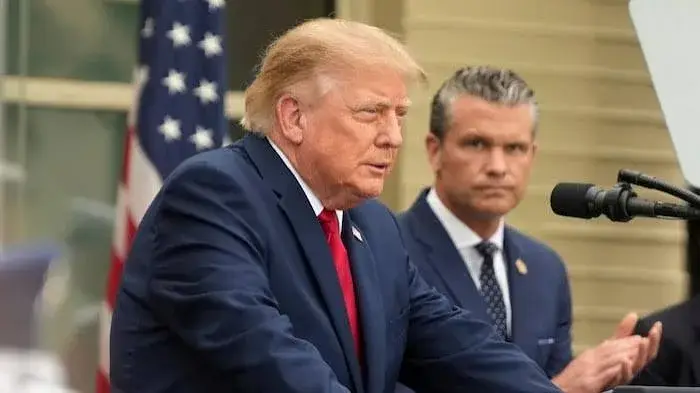
Trump Approves $2.8 Billion Arms Sale to Israel Amid Rising Middle East Tensions
16 Sept 2026
Global
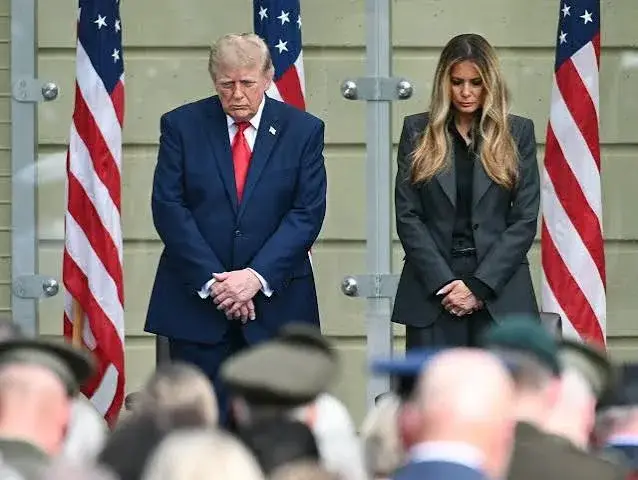
25 Years After 9/11, Trump Says Iran Fight Is Part of the Same Mission
12 Sept 2026
You may also like

Global
Russia Threatens Nuclear Response if Lithuania Hosts NATO Weapons
11 Sept 2026
Global
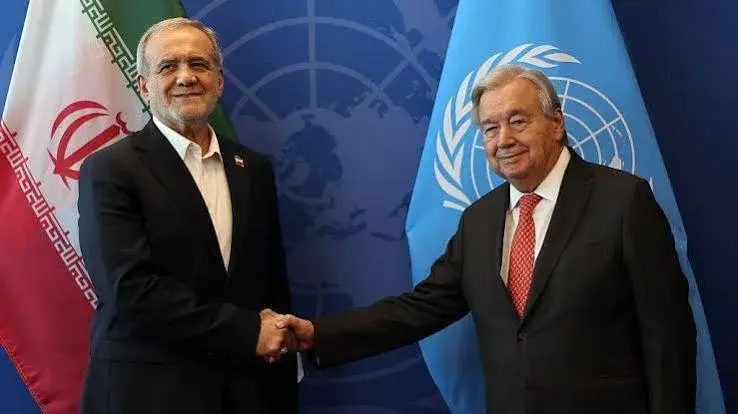
U.S. to Let Iranian Leaders Attend U.N. General Assembly Despite Wartime Tensions
17 Sept 2026
Global
Trump doubles down on United Ireland, calls reunification “natural”
14 Sept 2026
Global
Trump Rejects AI Slowdown Calls, Says U.S. Must Stay Ahead of China
13 Sept 2026

Global
Russia Strikes Near Poland Border as Ukraine Warns of New Campaign Against Gas Stations
13 Sept 2026

Global
Trump Promises $5,000 to Every Adult if Republicans Win Congress
10 Sept 2026