
Atiku Calls for Lower Fuel Prices as Cost-of-Living Pressure Mounts
The former vice president says lower fuel prices would provide immediate economic relief as households and businesses grapple with high living costs.
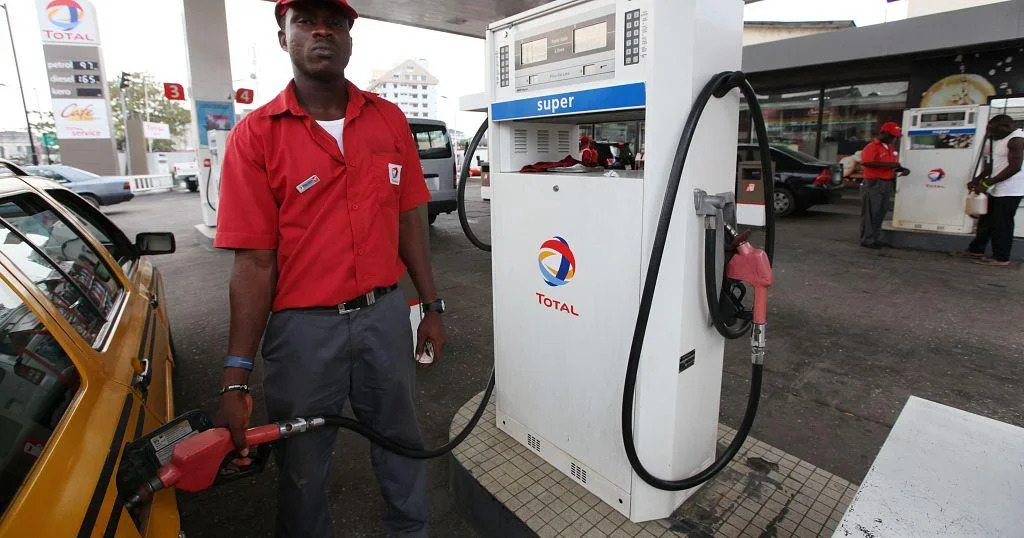
Former Vice President Atiku Abubakar has called on President Bola Ahmed Tinubu to reduce the prices of petrol and diesel, arguing that millions of Nigerians urgently need relief from the rising cost of transportation, food and essential goods.
Atiku made the appeal in a public statement, saying the current economic climate has placed enormous pressure on families and small businesses. He argued that lowering the cost of fuel would have a ripple effect across the economy by reducing logistics expenses and easing inflationary pressures on everyday consumers.
According to the former presidential candidate, affordable energy should remain a priority because fuel prices directly influence the cost of transporting people and goods. He said farmers, traders, manufacturers and transport operators have all been affected by elevated diesel and petrol costs, with the burden ultimately passed on to consumers.
Fuel prices remain central to economic debate
The appeal comes as Nigeria continues to adjust to the economic effects of petrol subsidy removal and ongoing reforms in the downstream petroleum sector. Since 2023, higher fuel prices have contributed to increased transportation costs and broader inflation, prompting repeated calls from labour groups, businesses and opposition figures for measures to cushion the impact on citizens.
The Tinubu administration has maintained that its reforms are designed to create a more sustainable energy market while expanding domestic refining and alternative fuel programmes, including the nationwide rollout of Compressed Natural Gas (CNG) for commercial transportation. Government officials say the CNG initiative is expected to gradually reduce transport costs as more vehicles convert from petrol and diesel.
Atiku’s proposal adds another dimension to the national conversation over how best to provide economic relief. While he advocates reducing petrol and diesel prices to lessen the immediate burden on households, the Federal Government has emphasized long-term structural reforms through increased local refining, expanded gas-powered transportation and energy infrastructure investments.
Economic analysts note that fuel pricing remains one of Nigeria’s most consequential policy issues because it affects inflation, manufacturing costs, public transportation and the purchasing power of ordinary citizens. Any changes to pricing policy would therefore have significant fiscal and economic implications.
As debate continues, the exchange reflects the broader policy choices confronting Nigeria’s economy: how to balance market reforms, fiscal sustainability and the urgent need to ease the cost-of-living pressures facing millions of Nigerians.
More on Nigeria
Nigeria
Nigeria Heads to UNGA 81 With Shettima Leading High-Level Delegation
20 Sept 2026
Nigeria
Former Military President Denies Mine Ownership, Seeks Justice for 37 Miners
21 Sept 2026

Nigeria
British High Commissioner-designate Pete Vowles Arrives in Nigeria
14 Sept 2026
Nigeria
Nigeria Reaffirms Support for WTO, Multilateralism at BRICS Summit
13 Sept 2026
Nigeria
Ogaga Ifowodo Wins $100,000 NLNG Literature Prize for ‘Why Does God Need a Gun?’
9 Oct 2026
You may also like
Nigeria
Nigeria Targets 24-Hour Electricity for Major Commercial Corridors
1 Oct 2026

Nigeria
Tinubu Ends Four-Week European Working Vacation, Returns to Nigeria
30 Sept 2026
Nigeria
Tompolo Boosts Tinubu’s 2027 Campaign With 50 Vehicles in Kano
28 Sept 2026

Nigeria
Presidency: Tinubu to Return This Weekend After Extending Working Leave
22 Sept 2026
Nigeria
Tinubu Orders Probe Into Deaths of Suspected Illegal Miners Detained by NSCDC in Niger
19 Sept 2026
Nigeria
Nigeria @ 66: Tinubu’s Nationwide Broadcast to Headline Modest Independence Programme
19 Sept 2026