
Nigeria Targets 24-Hour Electricity for Major Commercial Corridors
The Federal Government is opening talks with electricity distributors to create dedicated power zones aimed at delivering round-the-clock electricity to some of Nigeria’s biggest economic corridors.
The Federal Government has begun discussions with electricity distribution companies over a plan to establish dedicated Energy Zones that could provide 24-hour electricity to homes, businesses and industries in some of Nigeria’s highest-demand areas.
The proposal, discussed by Power Minister Joseph Tegbe and the leadership of selected Distribution Companies (DisCos), initially targets three major economic corridors: the Lagos axis, the Abuja-Kaduna-Kano corridor and the Enugu-Port Harcourt corridor. The government says the approach is intended to improve reliability by concentrating infrastructure and distribution capacity where electricity demand is already high.
The plan is still at the discussion stage. The government has not announced when the Energy Zones will become operational, how much additional generation or distribution capacity will be assigned to them, or the precise locations that will be included within each corridor. Those details will be important in determining how quickly the proposal can translate into actual improvements for consumers.
Tegbe has argued that Nigeria’s electricity problem cannot be addressed by focusing only on generation and transmission. According to the minister, the distribution end also has to be capable of receiving available electricity and delivering it efficiently to customers. The proposed zones are therefore intended to address distribution bottlenecks while supporting commercial and industrial activity in areas where demand is concentrated.
Representatives of Abuja Electricity Distribution Company, Ikeja Electric, Eko Power, Ibadan Electricity Distribution Company and Sahara Energy Group attended the strategic meeting. Their involvement points to an approach that would require coordination between government, grid operators, DisCos and other private-sector players rather than relying on federal investment alone.
The government also sees a commercial case for the initiative. Tegbe said stronger electricity delivery could unlock demand from businesses and industries while improving the revenue and collection performance of DisCos. That objective comes as Nigeria’s electricity distribution market continues to struggle with substantial gaps between power supplied, electricity billed and money actually collected.
Recent figures from the Nigerian Electricity Regulatory Commission underline the challenge. NERC’s July 2026 data showed that DisCos received electricity worth about ₦333.94 billion but billed ₦250.79 billion, giving a billing efficiency of 75.10%. Collection efficiency stood at 81.95%, with ₦205.53 billion collected during the month.
The regulator’s 2025 annual figures also showed that the 11 DisCos supplied electricity valued at about ₦3.68 trillion but billed customers ₦2.99 trillion. Of the amount billed, only about ₦2.32 trillion was collected, leaving a combined billing and collection gap of roughly ₦1.36 trillion. Such weaknesses limit the money available to maintain networks and finance the upgrades needed to improve service.
There are signs that the government is increasingly looking at the electricity sector as both an infrastructure problem and a commercial one. NERC’s second-quarter 2026 review highlighted the need for stronger investment, market sustainability, regulatory compliance and improved reliability, while the Power Ministry has separately said it intends to pursue investment in grid stabilisation.
For consumers and businesses outside the proposed zones, however, the announcement does not yet amount to a nationwide 24-hour electricity guarantee. The government's current proposal is explicitly focused on selected high-demand corridors, meaning implementation and future expansion will determine whether the model can eventually be extended to other parts of the country.
For businesses along the targeted routes, reliable electricity could have effects well beyond simply reducing the number of hours spent running generators. Manufacturers, retailers, technology companies and other electricity-intensive businesses could potentially plan production and operating costs with greater certainty if supply becomes genuinely dependable. But achieving that outcome will require more than announcing the zones: generation availability, transmission stability, distribution infrastructure, metering, payment collection and the financial health of the electricity market will all have to work together.
The Energy Zone proposal therefore represents a targeted test of Nigeria’s long-running power challenge. If the government and DisCos can turn the plan into dependable electricity in some of the country’s busiest commercial corridors, it could provide a practical model for expanding reliable supply elsewhere. The bigger test will be whether the promised 24-hour service becomes a measurable reality for consumers rather than another power-sector target awaiting implementation.
More on Nigeria
Nigeria
Nigeria Unveils 90-Day Cost-of-Living Plan, Pushes to Expand Gas Supply
23 Oct 2026
Nigeria
Tinubu Orders Major Lagos-Calabar Highway Route Change as Umahi Reveals New Plan
12 Oct 2026
Nigeria
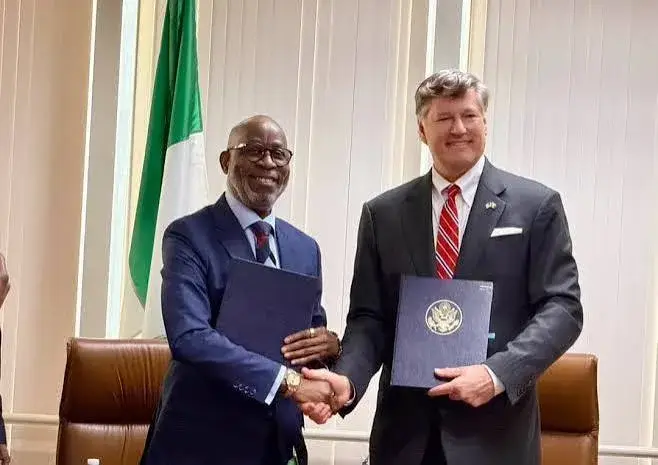
Nigeria, US Sign Deal to Unlock $700bn Mineral Wealth
26 Sept 2026
Nigeria
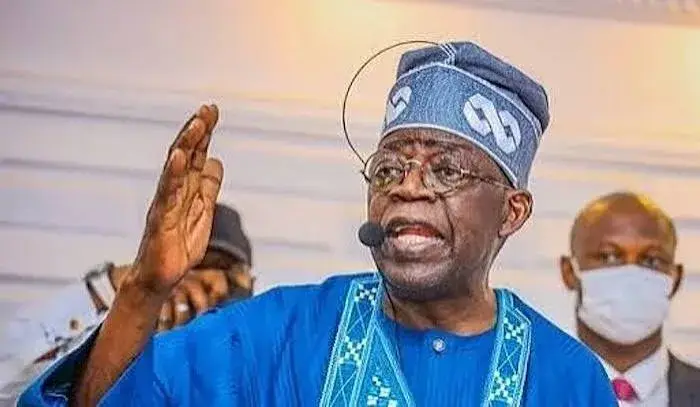
Tinubu Rules Out Petrol Subsidy Return, Says ‘Moses Can’t Go Back to Egypt’
20 Oct 2026
Nigeria
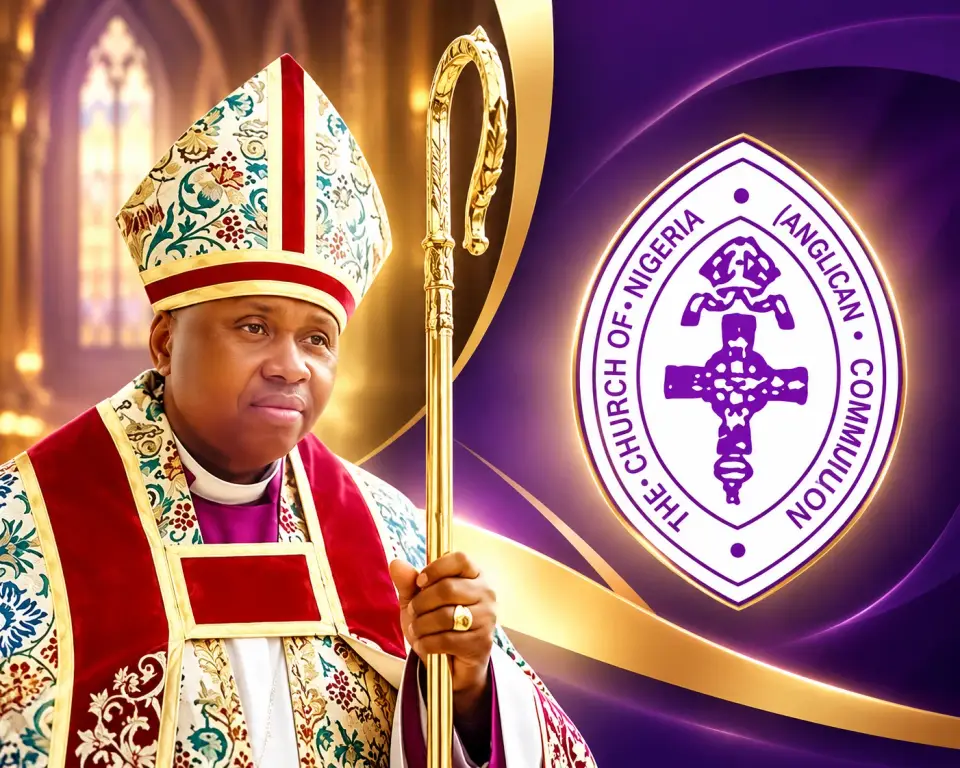
Church of Nigeria Faces Possible Awka Diocese Exit Amid Leadership Row
18 Oct 2026
Partner with Follow Global Trends
Display banners, sponsored stories and founder spotlights.
You may also like
Nigeria
Nigeria Woos Investors With 65 Projects Requiring $78.5bn
17 Oct 2026
Nigeria
IMF Warns Nigeria Against Restoring Petrol Subsidy
16 Oct 2026
Nigeria
Nigeria Mourns as NAF Names 25 Killed in Ondo Military Plane Crash
6 Oct 2026
Nigeria
Washington DC Declares October Nigerian American Heritage Month, Marks Nigeria Day
4 Oct 2026
Nigeria
Tinubu Ends Four-Week European Working Vacation, Returns to Nigeria
30 Sept 2026
Nigeria
Nigeria Heads to UNGA 81 With Shettima Leading High-Level Delegation
20 Sept 2026