
National Assembly Transmits 2026 Constitution Amendment Bill to 36 State Assemblies
The proposed constitutional changes now move to Nigeria’s state legislatures for a crucial round of approval.
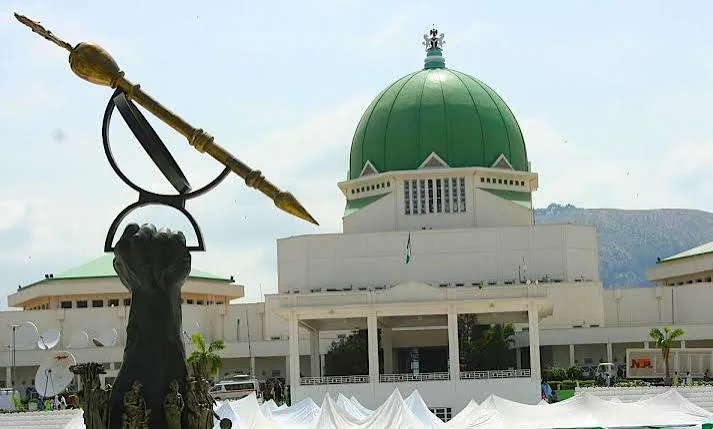
Nigeria’s constitutional amendment process has entered its most decisive stage after the National Assembly formally transmitted the Constitution of the Federal Republic of Nigeria, 1999 (Sixth Alteration) Bill, 2026 to the Houses of Assembly in all 36 states for consideration and approval.
The transmission, carried out by the Clerk to the National Assembly, Kamoru Ogunlana, followed a directive from the leadership of both chambers and was made in line with Section 9 of the 1999 Constitution (as amended), which governs how constitutional changes can become law.
The move shifts the responsibility from the federal legislature to state lawmakers, whose votes will determine whether the proposed amendments progress to the next stage. Under the Constitution, at least 24 of the 36 State Houses of Assembly must approve the bill through formal resolutions before it can proceed for presidential assent.
In a statement announcing the development, the National Assembly asked state legislatures to consider the bill according to their respective legislative procedures and return their resolutions within 30 days. However, officials clarified that the 30-day period is an administrative timeline, not a constitutional deadline, as the Constitution does not prescribe a fixed period for state assemblies to conclude deliberations.
The Clerk also stressed that the federal legislature was not directing state assemblies on how to vote, saying the transmission was intended to facilitate the orderly discharge of their constitutional responsibilities while respecting the independence of each legislature.
Although the Sixth Alteration Bill contains multiple reform proposals considered during the 10th National Assembly’s constitutional review exercise, one of the most closely watched measures is the State Police Bill, which seeks to establish a constitutional framework for decentralized policing alongside the existing federal police structure. The proposal has generated significant national debate over security, accountability and the balance of powers between federal and state governments.
Constitutional alteration in Nigeria follows a more rigorous process than ordinary legislation. Bills must first secure the required supermajority in both the Senate and the House of Representatives before being transmitted to the states. Only after obtaining approval from at least two-thirds of state assemblies can the National Assembly complete the process and forward successful amendments for presidential assent.
The coming weeks will therefore place Nigeria’s 36 state legislatures at the centre of one of the country’s most important governance exercises. Their collective decisions will determine whether a new wave of constitutional reforms, including proposals with far-reaching implications for security, governance and institutional structure, ultimately becomes part of the nation’s supreme law.
More on Nigeria
Nigeria
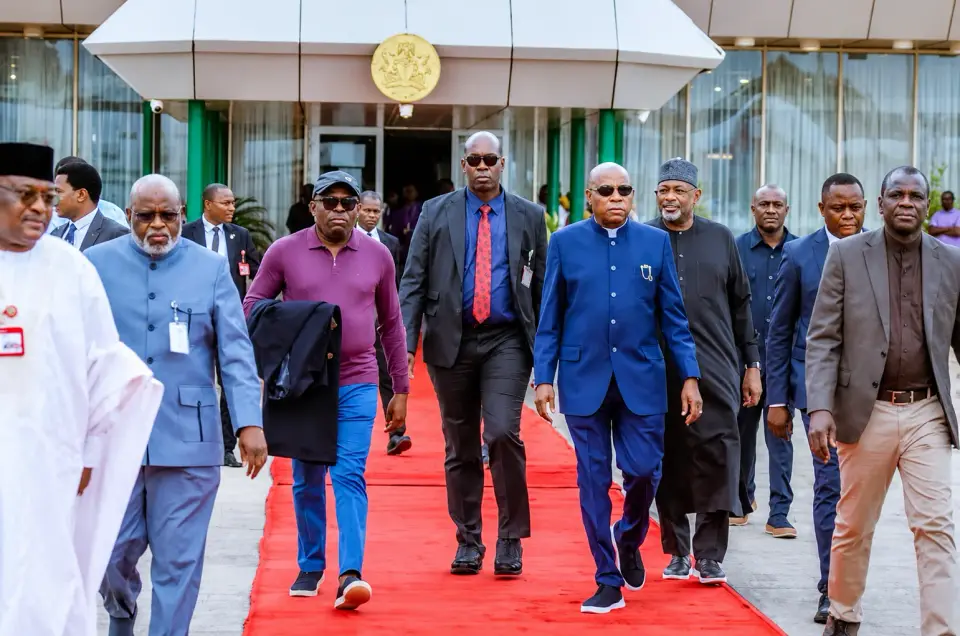
Nigeria Heads to UNGA 81 With Shettima Leading High-Level Delegation
20 Sept 2026

Nigeria
Nigeria Mourns as NAF Names 25 Killed in Ondo Military Plane Crash
6 Oct 2026

Nigeria
Washington DC Declares October Nigerian American Heritage Month, Marks Nigeria Day
4 Oct 2026
Nigeria
Nigeria Targets 24-Hour Electricity for Major Commercial Corridors
1 Oct 2026
Nigeria
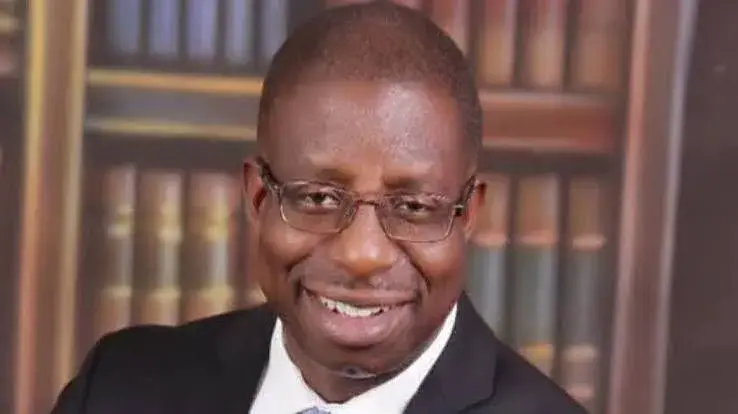
Ogaga Ifowodo Wins $100,000 NLNG Literature Prize for ‘Why Does God Need a Gun?’
9 Oct 2026
You may also like
Nigeria
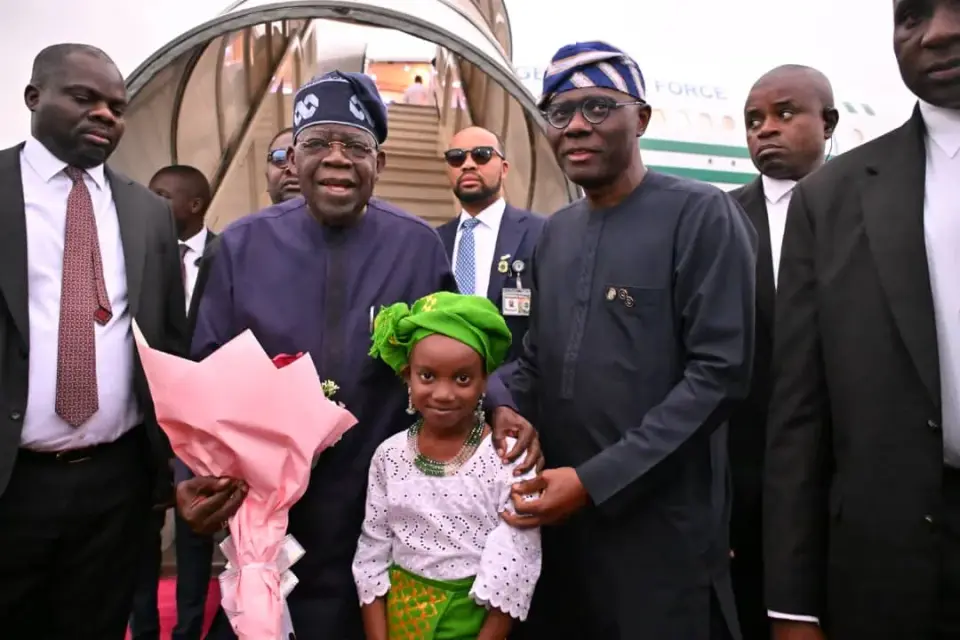
Tinubu Ends Four-Week European Working Vacation, Returns to Nigeria
30 Sept 2026
Nigeria
Nigeria, US Sign Deal to Unlock $700bn Mineral Wealth
26 Sept 2026
Nigeria
Nigeria to Host Global Alliance–World Public Relations Forum 2026 in Historic African First
24 Sept 2026

Nigeria
Nigeria @ 66: Tinubu’s Nationwide Broadcast to Headline Modest Independence Programme
19 Sept 2026

Nigeria
British High Commissioner-designate Pete Vowles Arrives in Nigeria
14 Sept 2026
Nigeria
Catholic Bishops Warn Political Leaders Against Manipulating 2027 Elections
14 Sept 2026