Washington DC Declares October Nigerian American Heritage Month, Marks Nigeria Day
Washington, D.C. has designated October 2026 as Nigerian American Heritage Month while separately marking October 1 as Nigeria Day.
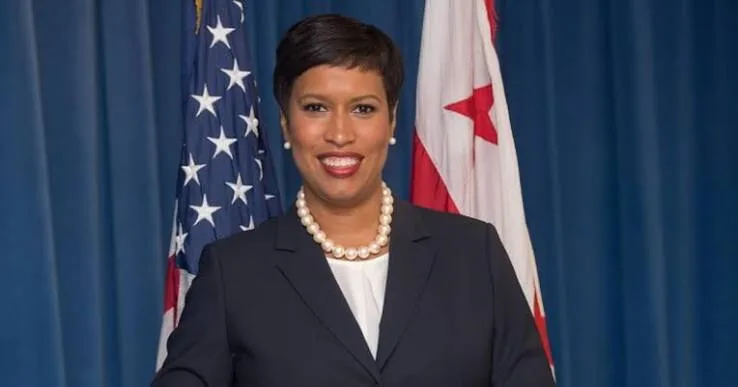
Washington, D.C. has formally proclaimed October 2026 as Nigerian American Heritage Month, giving the Nigerian community in the U.S. capital an official month-long platform to celebrate its heritage and highlight its contributions to American civic, economic and cultural life.
The proclamation by Mayor Muriel Bowser was presented during Nigeria’s 66th Independence Day celebration in Washington on October 1. The District also designated October 1, 2026, as Nigeria Day, creating a dual recognition that connects Nigeria’s Independence Day with the growing presence of Nigerians and Nigerian Americans in the capital.
District Secretary Kimberly A. Bassett, who presented the proclamation on the mayor’s behalf at the Nigerian Embassy’s Independence Day dinner, said Nigerians have built businesses, served neighbourhoods and enriched Washington through their culture and traditions. She also praised the Nigerian Embassy and the Nigerian Center for helping strengthen connections between the Nigerian community and the wider Washington population.
The proclamation specifically recognizes the District’s more than 4,000 Nigerian-born residents and highlights Nigerian Americans as civic leaders, entrepreneurs and innovators working across fields including art, music, medicine, science and technology. It also recognizes Nigeria’s size and diversity, describing the country as Africa’s most populous nation and home to more than 300 ethnic groups.
For the Nigerian community, the timing carries particular significance. The declaration came on the same day Nigerians around the world marked the country's 66th Independence Day, turning what is normally a single-day national celebration into the beginning of a month-long recognition of Nigerian heritage in Washington.
The recognition also comes as efforts are underway to establish a similar observance at the federal level.
On September 16, U.S. Representative Sanford Bishop of Georgia introduced H. Res. 1546, a resolution expressing congressional support for recognizing October as Nigerian Heritage Month and celebrating the heritage, culture and contributions of Nigerians and Nigerian Americans in the United States. The measure has been introduced in Congress but should not be confused with a law or nationwide federal designation.
The congressional effort has received backing from a group of lawmakers, while the Nigerian Center has been campaigning around the proposed recognition. The organization describes the initiative as an opportunity to create a lasting platform for recognizing the Nigerian American experience and its contribution to American society.
The distinction between the two developments is important. Washington, D.C.'s proclamation is already an official District recognition for October 2026, while the congressional resolution represents a proposed expression of support at the federal level. Its introduction does not itself establish a nationwide Nigerian Heritage Month.
Community celebrations are expected to give the new observance a visible public dimension. The Nigerian Center has announced a Nigerian American Festival for October 16–18 at Guinness Open Gate Brewery in Halethorpe, Maryland, bringing together Nigerian American community members, cultural leaders, artists and other partners.
The Washington proclamation also reflects the increasingly visible relationship between Nigeria's diplomatic presence and the wider community in the U.S. capital. At the Independence Day dinner, Bassett commended Nigerian Ambassador Lateef Kayode Kolawole Are for his engagement with Washington schools and for efforts to make the Nigerian Embassy more accessible to the wider community.
For Nigerian Americans, the recognition goes beyond food, music, fashion or Independence Day celebrations. It places greater attention on the community's role in professional life, entrepreneurship, education, healthcare, technology, public service and civic engagement, areas where Nigerian Americans have built increasingly visible networks across the United States.
The development is also part of a broader conversation about how immigrant communities preserve cultural identity while contributing to the societies in which they live. As Washington gives Nigerian heritage an official place on its civic calendar, and Congress considers a wider recognition, October 2026 could become an important marker in the growing public visibility of Nigerian Americans, not simply as a diaspora community celebrating its roots, but as an increasingly influential part of America's social, economic and cultural landscape.
More on Nigeria
Nigeria
Nigeria Unveils 90-Day Cost-of-Living Plan, Pushes to Expand Gas Supply
23 Oct 2026
Nigeria
Church of Nigeria Faces Possible Awka Diocese Exit Amid Leadership Row
18 Oct 2026
Nigeria
Nigeria Woos Investors With 65 Projects Requiring $78.5bn
17 Oct 2026

Nigeria
Ogaga Ifowodo Wins $100,000 NLNG Literature Prize for ‘Why Does God Need a Gun?’
9 Oct 2026
Nigeria
Nigeria Mourns as NAF Names 25 Killed in Ondo Military Plane Crash
6 Oct 2026
Partner with Follow Global Trends
Display banners, sponsored stories and founder spotlights.
You may also like

Nigeria
Nigerian Air Force ATR-42 Crashes Near Igbokoda, 32 on Board
5 Oct 2026

Nigeria
Macron Postpones Nigeria State Visit Until 2027 Amid French Unrest
24 Oct 2026
Nigeria
IMF Warns Nigeria Against Restoring Petrol Subsidy
16 Oct 2026

Nigeria
AI Could Threaten Jobs of Nigerian Graduates as IMF Raises Global Alarm
13 Oct 2026
Nigeria
Nigeria Targets 24-Hour Electricity for Major Commercial Corridors
1 Oct 2026
Nigeria
Tinubu Ends Four-Week European Working Vacation, Returns to Nigeria
30 Sept 2026