
IMF Warns Nigeria Against Restoring Petrol Subsidy
The International Monetary Fund has urged Nigeria to resist calls to restore a blanket petrol subsidy, recommending targeted relief for vulnerable households as rising fuel prices increase pressure on living costs.
The International Monetary Fund (IMF) has warned the Nigerian government against restoring a blanket petrol subsidy, arguing that the policy would place additional pressure on public finances and that targeted assistance would offer better protection to households struggling with rising fuel and transport costs.
Rodrigo Valdés, director of the IMF’s Fiscal Affairs Department, gave the advice on Wednesday, October 14, during a press briefing at the IMF and World Bank Group Annual Meetings in Bangkok, Thailand. Responding to questions about growing calls for the return of petrol subsidies in Nigeria, he acknowledged the political difficulty of allowing fuel prices to rise but said governments should direct support towards people most affected rather than subsidizing consumption for everyone.
Valdés argued that broad fuel subsidies are expensive, can disproportionately benefit wealthier consumers who generally use more petroleum products, and weaken the public finances needed to fund other priorities. He suggested that governments could, for example, subsidize public transport fares or provide other forms of assistance to low-income households instead of keeping petrol prices artificially low for all consumers.
“Protecting people is not the same as protecting the price of fuels,” Valdés said, according to Channels Television’s report of the briefing. He also warned that shielding consumers from higher prices during a supply shock can discourage demand from adjusting, potentially intensifying pressure on already constrained fuel supplies.
The IMF official said fuel subsidies and other measures preventing energy prices from adjusting fully to global shocks had cost countries between 1 and 1.5 per cent of gross domestic product in 2026. The figure was presented as a broader estimate of the fiscal cost across countries, not as a calculation of Nigeria’s own subsidy bill.
The warning comes as rising international energy prices add to the cost of petrol in Nigeria, with knock-on effects for public transport, food distribution and household spending. Higher transport costs can feed into prices across the economy, leaving low-income families particularly exposed because a larger share of their income goes towards essential goods and services.
The Federal Government has recently announced a 30-day petrol discount at Nigerian National Petroleum Company Limited (NNPC) retail outlets, with public transport operators given priority. Finance Minister Taiwo Oyedele said NNPC Retail would temporarily forgo its retail profit margin and sell petrol at cost as a short-term measure to ease the burden on consumers. He maintained that the arrangement did not amount to a restoration of the former petrol subsidy regime.
The distinction is significant because Nigeria removed its long-standing petrol subsidy in 2023 under President Bola Tinubu, a decision that sharply increased fuel prices but was intended to reduce the government’s fiscal burden and free up resources for other spending. The reform has remained contentious as households and businesses contend with higher transport and operating costs, while political pressure for relief has grown ahead of the 2027 presidential election.
In its June 2026 assessment of Nigeria’s economy, the IMF said reforms implemented over the previous three years had improved macroeconomic stability and resilience, but warned that many Nigerians continued to face difficult living conditions. The report highlighted poverty and food insecurity and called for targeted, temporary support through the cash-transfer system as risks to household welfare persisted. It also urged the authorities to maintain their commitment not to reinstate fuel subsidies amid election-related spending pressures.
Davide Furceri, a division chief in the IMF’s Fiscal Affairs Department, also outlined possible alternatives to universal fuel subsidies, including transport assistance, school-feeding programmes and support for vulnerable farmers. He acknowledged that some governments lack reliable household registries and digital payment systems to identify and reach eligible recipients, but said targeted assistance could be delivered through other means while such systems are strengthened.
The debate places Nigeria’s economic reform agenda alongside an immediate question of household welfare: how to shield people from global price shocks without recreating a costly subsidy system. The IMF’s position is that public money should be directed towards those most in need, while the practical impact of that approach will depend on whether assistance reaches vulnerable Nigerians quickly enough to offset higher transport and living costs.
More on Nigeria
Nigeria
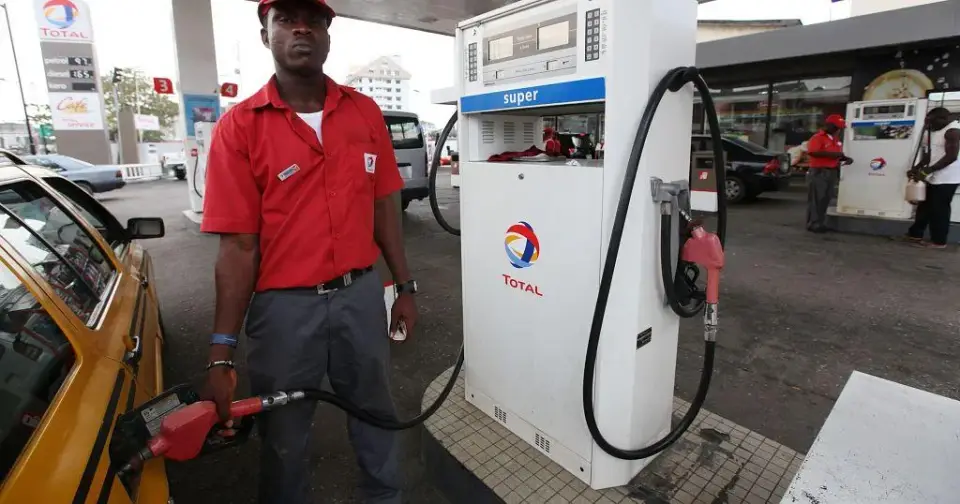
Atiku Calls for Lower Fuel Prices as Cost-of-Living Pressure Mounts
21 Sept 2026
Nigeria
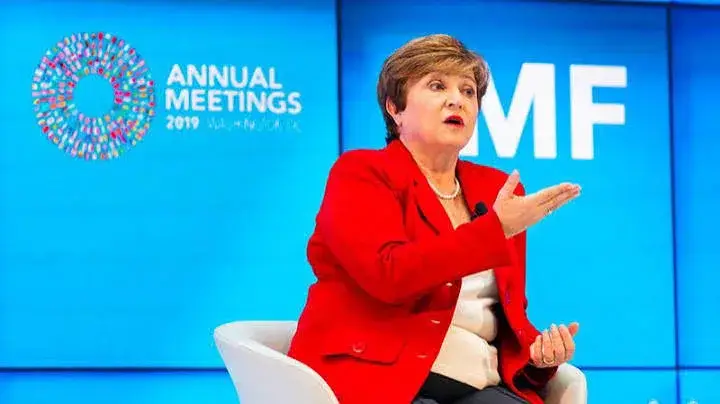
AI Could Threaten Jobs of Nigerian Graduates as IMF Raises Global Alarm
13 Oct 2026
Nigeria
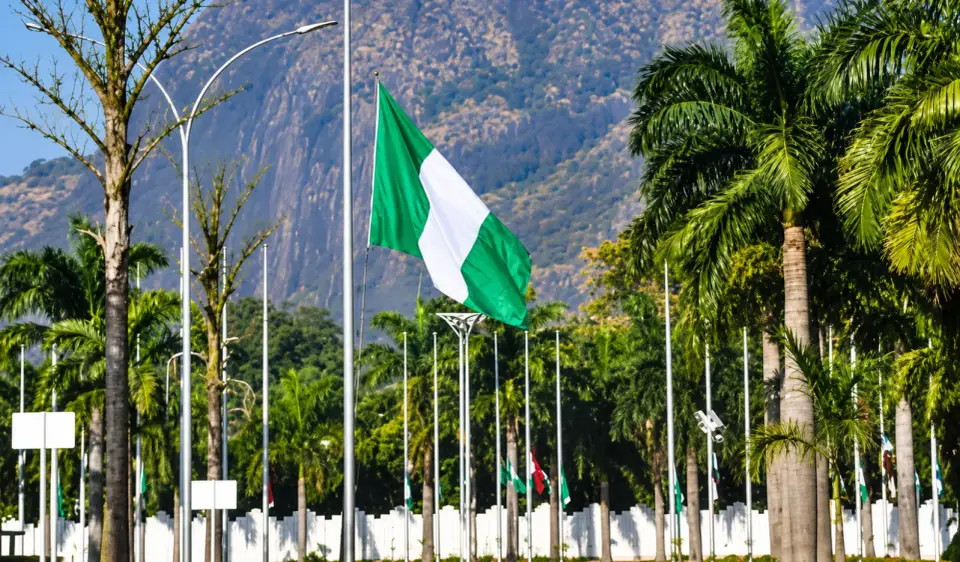
Nigeria Mourns as NAF Names 25 Killed in Ondo Military Plane Crash
6 Oct 2026
Nigeria
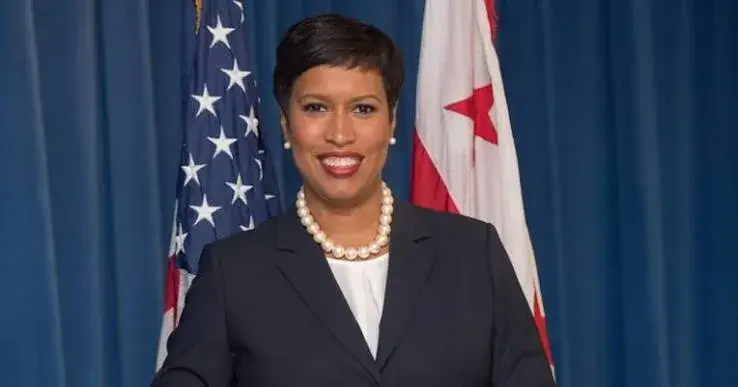
Washington DC Declares October Nigerian American Heritage Month, Marks Nigeria Day
4 Oct 2026
Nigeria
Nigeria Targets 24-Hour Electricity for Major Commercial Corridors
1 Oct 2026
Partner with Follow Global Trends
Display banners, sponsored stories and founder spotlights.
You may also like
Nigeria
Tinubu Ends Four-Week European Working Vacation, Returns to Nigeria
30 Sept 2026
Nigeria
Nigeria, US Sign Deal to Unlock $700bn Mineral Wealth
26 Sept 2026
Nigeria
Nigeria Heads to UNGA 81 With Shettima Leading High-Level Delegation
20 Sept 2026
Nigeria
Tinubu Orders Major Lagos-Calabar Highway Route Change as Umahi Reveals New Plan
12 Oct 2026
Nigeria
Only Lagos and Enugu Can Cover Recurrent Spending With IGR, World Bank Says
10 Oct 2026
Nigeria
Ogaga Ifowodo Wins $100,000 NLNG Literature Prize for ‘Why Does God Need a Gun?’
9 Oct 2026