
Nigeria Woos Investors With 65 Projects Requiring $78.5bn
Nigeria has unveiled 65 proposed investment projects requiring $78.5 billion in capital while calling for cheaper development financing, faster debt restructuring and greater influence for developing countries in global financial institutions.
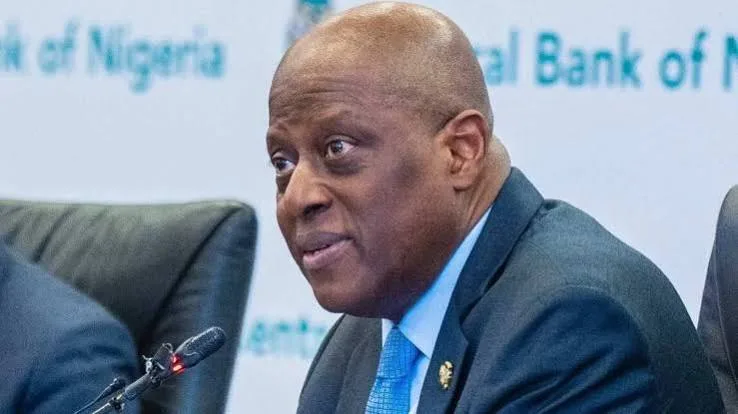
Nigeria has presented a $78.5 billion investment pipeline covering 65 projects across key sectors of its economy, as the Federal Government seeks to attract private capital and pushes for reforms to make the international financial system fairer and more accessible to developing countries.
The projects were showcased at the 2026 annual meetings of the International Monetary Fund (IMF) and World Bank Group in Bangkok, Thailand, where Finance Minister and Coordinating Minister of the Economy Taiwo Oyedele and Central Bank of Nigeria Governor Olayemi Cardoso led Nigeria’s investor engagement. The government estimates that the proposed projects could generate about 366,763 jobs if implemented.
Listed under the Federal Ministry of Finance’s Projects Nigeria initiative, the pipeline spans oil, gas and power; transport and maritime infrastructure; industry, manufacturing and mining; agriculture and agro-processing; and technology, healthcare and urban services. The ministry’s online platform provides details of the projects, their capital requirements, sponsors and proposed transaction structures, allowing prospective investors to examine individual opportunities.
Energy and transport account for the largest share of the proposed investments. The government’s project portal puts the capital requirement for oil, gas and power projects at about $36.4 billion, while transport and maritime projects account for another $25 billion. Manufacturing, industry and mining require $6.6 billion, agriculture and agro-processing $9.8 billion, while technology, healthcare and urban services account for approximately $664.7 million. The amounts reflect the estimated funding needs of the proposed projects, not money already secured or invested.
Alongside its investment pitch, Nigeria used the meetings to press for changes to the global financial architecture, arguing that developing economies need more affordable financing, stronger representation in international institutions and faster, more predictable processes for resolving sovereign debt problems.
Oyedele chaired a meeting of the Group of 24, a coalition of developing countries that coordinates positions on international monetary and development finance issues. According to the Finance Ministry, discussions focused on rising borrowing costs, pressure on public finances, climate-related risks and the need for greater access to development funding. The group also called for reforms to the governance of the IMF and World Bank to give developing countries a stronger voice in decisions affecting their economies.
The argument comes as many developing countries face high debt-servicing costs and limited fiscal room to finance infrastructure, healthcare, education and climate adaptation. Nigeria called for better-coordinated debt restructuring involving all creditors, expanded climate finance and stronger international cooperation to curb tax avoidance and illicit financial flows. IMF Managing Director Kristalina Georgieva and World Bank Senior Managing Director Axel van Trotsenburg attended the G-24 discussions, according to the ministry’s account.
Nigeria’s investment campaign is also built around the government’s claims of improving economic indicators. The Projects Nigeria portal reports that the economy grew by 4.43 per cent year-on-year in the second quarter of 2026 and that external reserves stood at $54.6 billion in September. These figures are part of the government’s case to investors, but they do not remove the challenge of converting announced opportunities into funded projects, construction activity and jobs.
The immediate test for the initiative will be whether investor interest translates into financing agreements and projects that reach implementation. The $78.5 billion figure represents the combined capital requirement of the pipeline, rather than a confirmed inflow of foreign investment. At the same time, Nigeria’s call for a fairer global financial system reflects a wider concern among developing economies: domestic reforms may improve investment conditions, but access to affordable long-term capital and a workable approach to debt remain important to their ability to expand infrastructure, create employment and sustain growth.
More on Nigeria
Nigeria
AI Could Threaten Jobs of Nigerian Graduates as IMF Raises Global Alarm
13 Oct 2026
Nigeria
Nigeria, US Sign Deal to Unlock $700bn Mineral Wealth
26 Sept 2026
Nigeria
Washington DC Declares October Nigerian American Heritage Month, Marks Nigeria Day
4 Oct 2026
Nigeria
Enugu to Begin ₦32bn Legacy Gratuity Payments Next Week
17 Oct 2026
Nigeria
IMF Warns Nigeria Against Restoring Petrol Subsidy
16 Oct 2026
Partner with Follow Global Trends
Display banners, sponsored stories and founder spotlights.
You may also like
Nigeria
Nigeria Mourns as NAF Names 25 Killed in Ondo Military Plane Crash
6 Oct 2026
Nigeria
Nigeria Targets 24-Hour Electricity for Major Commercial Corridors
1 Oct 2026
Nigeria
Tinubu Ends Four-Week European Working Vacation, Returns to Nigeria
30 Sept 2026
Nigeria
Nigeria to Host Global Alliance–World Public Relations Forum 2026 in Historic African First
24 Sept 2026
Nigeria
Nigeria Heads to UNGA 81 With Shettima Leading High-Level Delegation
20 Sept 2026
Nigeria
Tinubu Asks Senate to Repeal Indian Hemp Act, Existing NDLEA Law
14 Oct 2026